

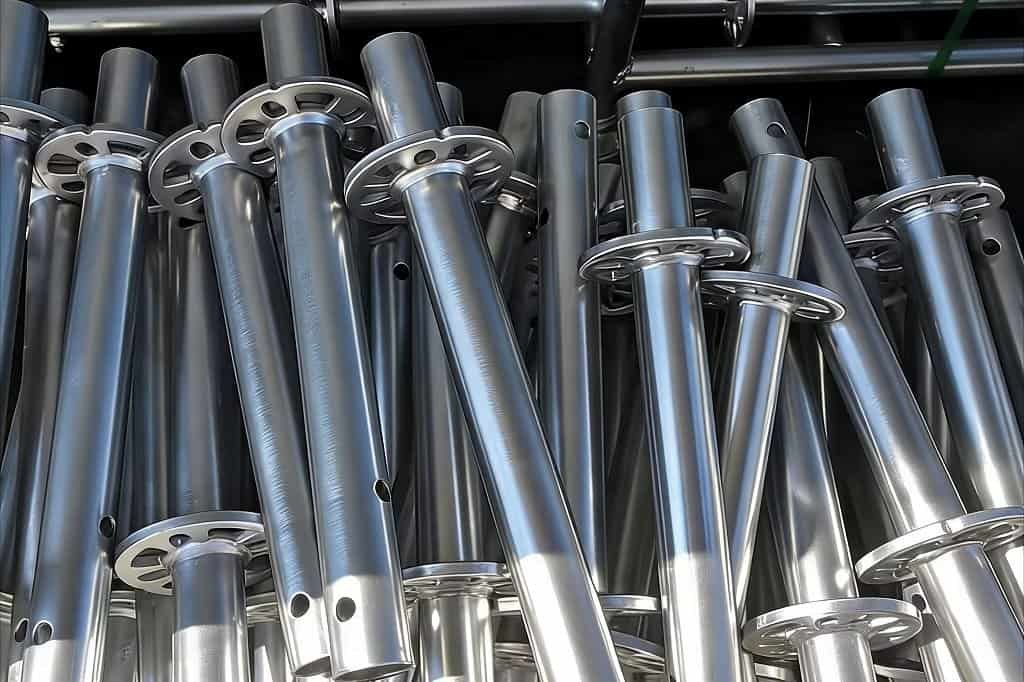

Sissejuhatus
Tellingute maailmas on aluskaelused olulised komponendid, mis tagavad kogu tellingukonstruktsiooni stabiilsuse ja turvalisuse. Need lihtsad, kuid olulised lisatarvikud aitavad tagada, et tellingusüsteemid on õigesti joondatud, tasased ja suudavad kanda vajalikke koormusi, mistõttu on need süsteemi ohutuse ja tõhususe jaoks üliolulised.
Selles blogipostituses uurime lähemalt, mis on aluskrae, milline on selle roll tellingutes ja kuidas see tagab tellingusüsteemi ohutuse ja tõhususe ehitus- või hooldustööde ajal.
Mis on aluskaelus?
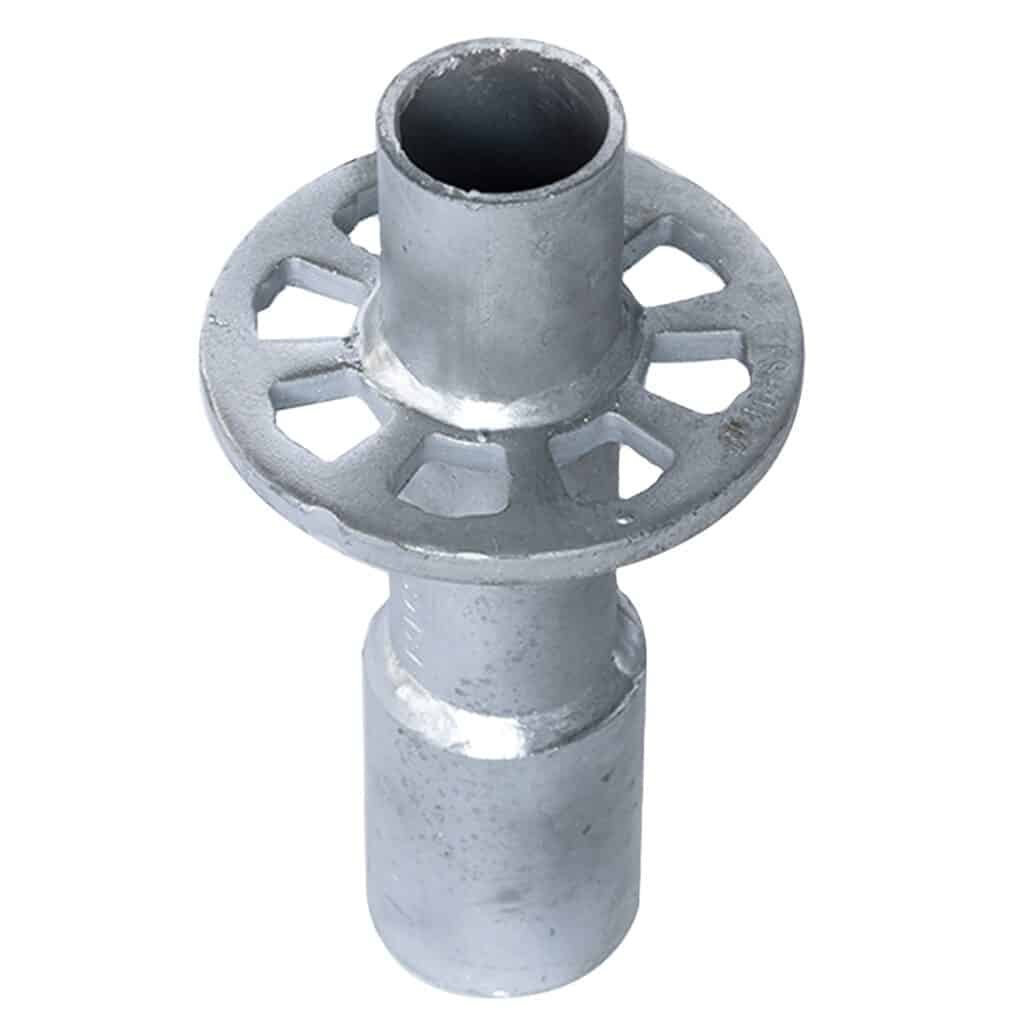
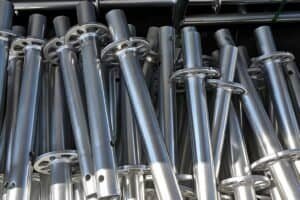
Aluskrae on komponent, mida kasutatakse tellingute postide (tugipostide) aluses nende kinnitamiseks alusplaadi või tallaplaadi külge. See toimib ühendusosana tellingukonstruktsiooni ja vundamendi või pinna vahel, millel tellingud seisavad. Aluskrae on tavaliselt metallrõngas või hülss, mis sobitub tellingu posti ümber, pakkudes stabiilset ja kindlat alust tellingu vertikaalsetele komponentidele.
Aluskrae roll ja funktsioon tellingusüsteemides
- Stabiilsuse tagamine
Aluskrae peamine ülesanne on tagada vertikaalne stabiilsus tellingusüsteemi külge. Kinnitades standardi alusplaadi või tallaplaadi külge, aitab aluskrae tagada, et tellingud ei kalduks ega nihkuks töötajate, materjalide või seadmete raskuse all. See toimib tellingute ja maapinna vahelise esimese kokkupuutepunktina, muutes selle konstruktsiooni stabiliseerimisel kriitiliseks elemendiks. - Koormuse jaotus
Aluskrae aitab koormust alusplaadil või tallaplaadil ühtlaselt jaotada. See tagab, et tellingute raskuse surve jaotub suuremale pinnale, mis aitab vältida vundamendi vajumist või nihkumist. See koormuse jaotus vähendab tellingute kokkuvarisemise ohtu ja tagab tellingute tasapinnalise püsimise. - Tasandamine ja joondamine
Aluskraed aitavad ka tasandamine tellingud. Paljud tellingusüsteemid, eriti ebatasasel pinnal kasutatavad, vajavad tellingute tasapinna tagamiseks reguleerimist. Aluskrae saab paigaldada keermestatud mehhanism mis võimaldab tellingute kõrgust peenhäälestada, tagades selle ideaalse sobivuse vertikaalne. See joondamine on oluline tellingute ohutu kasutamise tagamiseks, eriti kui neid ehitatakse kõrguste saavutamiseks.
- Ohutus ja vastavus
Aluskraed mängivad rolli selle tagamisel, et tellingusüsteem vastab nõuetele ohutusstandardid. Pakkudes tellingustabilisaatori ja alusplaadi vahel turvalist ja stabiilset ühendust, aitavad aluskraed täita tellingute ohutusnõudeid. Paljudes jurisdiktsioonides peavad tellingusüsteemid vastama konkreetsetele projekteerimis- ja stabiilsusstandarditele, et tagada töötajate ohutus ehitusplatsil. Aluskraed on selle vastavuse oluline osa, tagades, et konstruktsioon on ehitatud nõutavate koormuste toetamiseks.
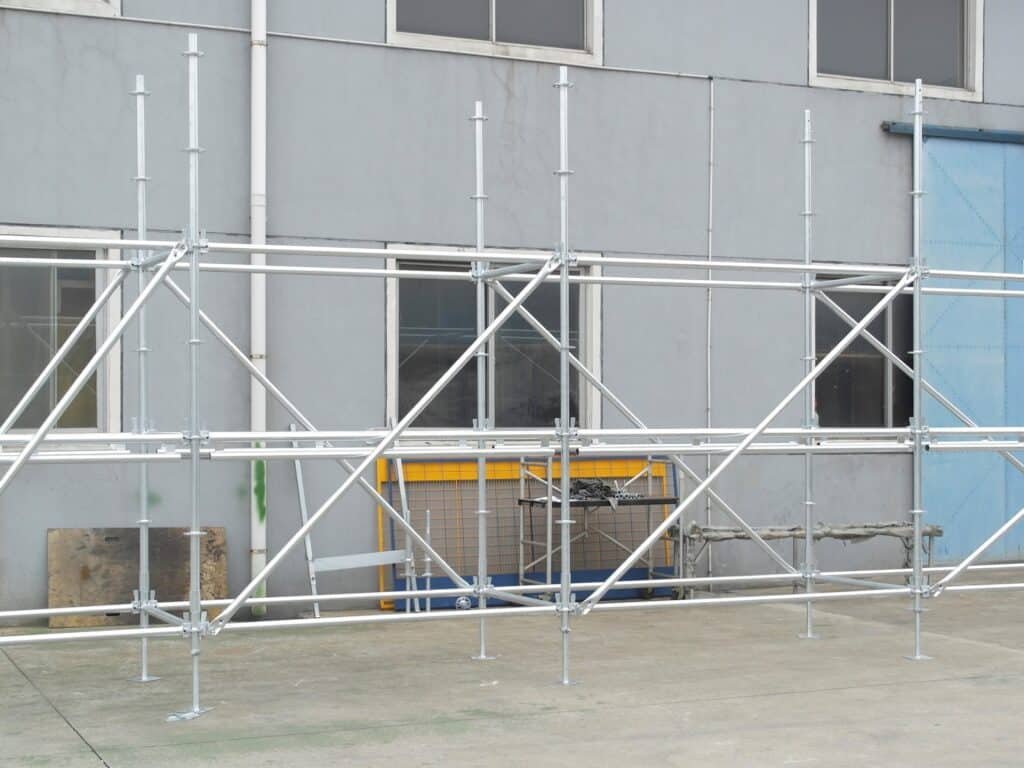
Kuidas aluskaelarihm töötab?
- Paigaldamine tellingupostile
Aluskrae on tavaliselt kinnitatud tellingustandardi alumine osa, mis on tellingu vertikaalne komponent. Krae asetatakse standardi aluse ümber ja kinnitatakse poltide, klambrite või muude kinnitusvahendite abil. See kinnitus tagab, et tellingu standard on kindlalt paigal ja joondatud ülejäänud tellingukonstruktsiooniga. - Ühendus alusplaadi või tallaplaadiga
Kui aluskrae on tellingupostil paigas, ühendatakse see alusplaadi või tallaplaadiga.. Alusplaat asetatakse maapinnale või vundamendile ja aluskrae toetub selle peale. Aluskrae on tavaliselt konstrueeritud nii, et sobivad tihedalt üle alusplaadi, tagades kindla ühenduse. Mõnes süsteemis võib aluskrae sisaldada ka keermestatud reguleerimine mehhanism, mis võimaldab tellinguposti veidi tõsta või langetada, et tagada tellingute tasane seis. - Koormuse ülekanne
Aluskrael mängib olulist rolli vertikaalse koormuse ülekandmisel tellingupostilt alusplaadile. Kui töötajad, materjalid ja seadmed tellingutele asetatakse, kandub koormus posti ja aluskrae kaudu, mis seejärel jaotab selle alusplaadile. Alusplaat omakorda kannab koormuse ühtlaselt maapinnale või vundamendile, tagades tellingu stabiilsuse rõhu all. - Ebatasase pinnase reguleerimine
Juhtudel, kui tellingud püstitatakse ebatasasele pinnasele, võib aluskrael olla reguleeritav funktsioon, mis võimaldab tellingu kõrgust peenhäälestada. Aluskrae pööramise või keermestatud ühenduse abil saab tellinguposti tõsta või langetada, et see vastaks ümbritsevatele pinnasetingimustele. See reguleerimine aitab tagada, et tellingud jäävad tasaseks isegi siis, kui pind on kaldus või ebatasane.
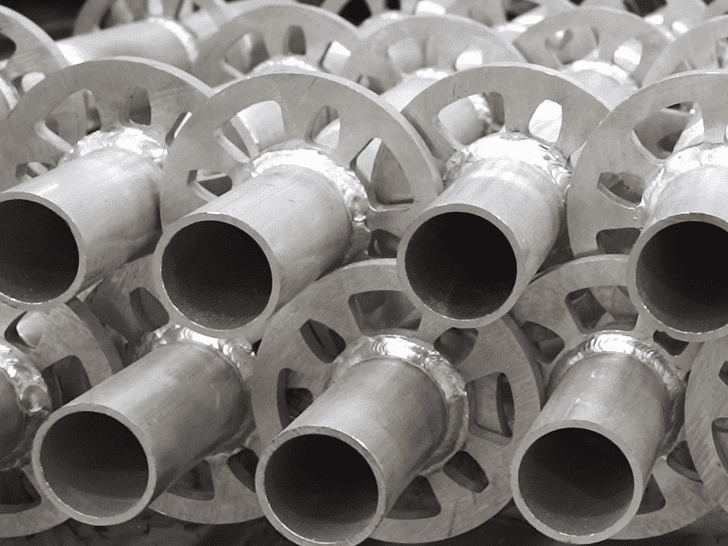
Aluskraede kasutamise eelised tellingusüsteemides
- Täiustatud stabiilsus
Kinnitades tellinguposti alusplaadi või tallaplaadi külge, aitavad aluskraed tagada tellingu kindlat kinnitust maapinnale, vähendades ebastabiilsuse või ümberkukkumise ohtu. - Mitmekülgsus
Aluskraesid saab kasutada mitmesuguste tellingusüsteemidega, sealhulgas moodultellingutega, raamtellingutega ja ripptellingutega. Need ühilduvad erinevate tellingustandardite ja alusplaatidega, muutes need mitmekülgseks komponendiks tellingute ehitamisel. - Lihtne paigaldamine ja reguleerimine
Aluskraed on kergesti paigaldatavad ja reguleeritavad, pakkudes kiiret ja tõhusat lahendust tellingute tasandamiseks ja stabiliseerimiseks. See teeb need ideaalseks nii ajutine ja püsiv tellingute rakendused. - Kulutõhus
Aluskraed on kulutõhus lahendus tellingusüsteemide stabiilsuse ja ohutuse suurendamiseks. Need täidavad olulist funktsiooni ilma kogu süsteemile olulisi kulusid lisamata, muutes need ehitusprojektide väärtuslikuks komponendiks.
Järeldus
Aluskrae on tellingusüsteemide väike, kuid oluline komponent. Selle peamine ülesanne on tagada tellingukonstruktsiooni stabiilsus, koormuse jaotamine ja joondamine, tagades selle turvalisuse ja tasasuse ehitus- või hooldusprotsessi ajal. Ebastabiilsuse vältimise ja ohutusstandardite järgimise tagamisega on aluskraed lahutamatu osa tellingusüsteemidest, mida kasutatakse erinevates ehitusprojektides.
KKK: Tellingusüsteemide aluskraed
K1: Mis on tellingute aluskrae peamine eesmärk?
Aluskrae tagab tellingustandardi stabiilsuse, joondamise ja kindla kinnituse alusplaadile, muutes selle tellingusüsteemi ohutuse ja terviklikkuse säilitamise võtmekomponendiks.
K2: Kas aluskraesid saab kasutada igat tüüpi tellingusüsteemidel?
Jah, aluskraed on mitmekülgsed ja neid saab kasutada erinevat tüüpi tellingusüsteemidega, sealhulgas moodultellingutega, raamtellingutega ja ripptellingutega.
K3: Kuidas aitavad aluskraed tellinguid ebatasasel pinnal tasandada?
Aluskraedel on sageli reguleeritavad mehhanismid (näiteks keermestatud elemendid), mis võimaldavad tellingustandardit tõsta või langetada, aidates hoida tellingut ebatasasel pinnal tasasel pinnal.
K4: Kas aluskaelarihmad vajavad hooldust?
Aluskaelarihmad vajavad üldiselt minimaalset hooldust. Siiski on vaja regulaarselt kontrollida, et need oleksid kindlalt kinnitatud ega näitaks kulumis- ega kahjustuste märke.
K5: Kas aluskaelused ühilduvad kõigi tellingute alusplaatidega?
Aluskraed on konstrueeritud ühilduma enamiku standardsete tellingute alusplaatidega. Siiski on oluline kontrollida ühilduvust kasutatava konkreetse tellingusüsteemiga, et tagada kindel sobivus.



 ET
ET  EN
EN  SV
SV  IT
IT  AR
AR  DE
DE  FR
FR  ES
ES  FI
FI  RU
RU 