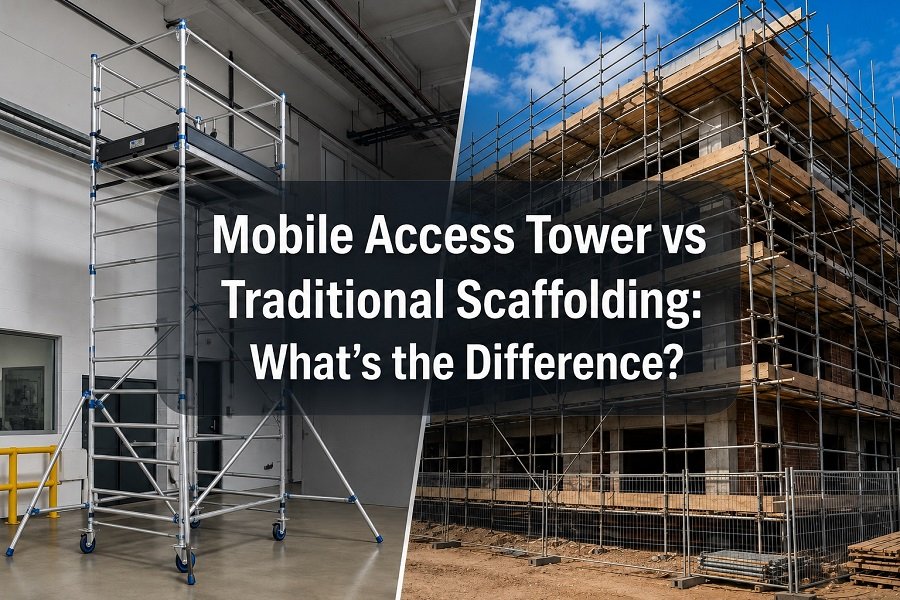
Torre di accesso mobile contro ponteggio tradizionale: qual è la differenza?
Introduzione
La scelta della soluzione di accesso più adatta può influire non solo sulla sicurezza del cantiere, ma anche sulla velocità del progetto, sull'efficienza della manodopera e sul costo complessivo. Due opzioni comuni sono le torri di accesso mobili e i ponteggi tradizionali. Entrambe vengono utilizzate per fornire piattaforme di lavoro sicure in quota, ma sono progettate per diverse tipologie di lavoro.
Una torre di accesso mobile, soprattutto se in alluminio, viene spesso scelta per garantire un accesso rapido e flessibile in lavori di manutenzione, allestimento e di breve durata. I ponteggi tradizionali sono generalmente preferiti quando sono necessarie una copertura più ampia, una maggiore capacità di carico e una durata di lavoro più lunga.
Questo articolo illustra le principali differenze tra le torri di accesso mobili e i ponteggi tradizionali, le applicazioni più indicate per ciascuna soluzione e gli aspetti da considerare prima di prendere una decisione.
Che cos'è una torre di accesso mobile?

Una torre di accesso mobile è una struttura a torre leggera progettata per fornire accesso temporaneo per lavori in quota. Solitamente è composta da telai prefabbricati, tiranti, piattaforme, parapetti, battiscopa e ruote o rotelle bloccabili.
A differenza dei sistemi di ponteggio fissi, una torre di accesso mobile è progettata per essere spostata e riposizionata più facilmente all'interno dell'area di lavoro. Ciò la rende una soluzione pratica per interventi di breve durata, lavori di manutenzione, installazioni in ambienti interni e progetti in cui i lavoratori necessitano di un accesso rapido a diversi punti.
UN torre di impalcatura in alluminio È particolarmente apprezzata perché più leggera da maneggiare, resistente alla corrosione e più facile da assemblare e trasportare. In molte applicazioni di manutenzione e per interni, una torre di accesso mobile in alluminio può migliorare l'efficienza riducendo i tempi di installazione e semplificando il riposizionamento.
Che cos'è un ponteggio tradizionale?
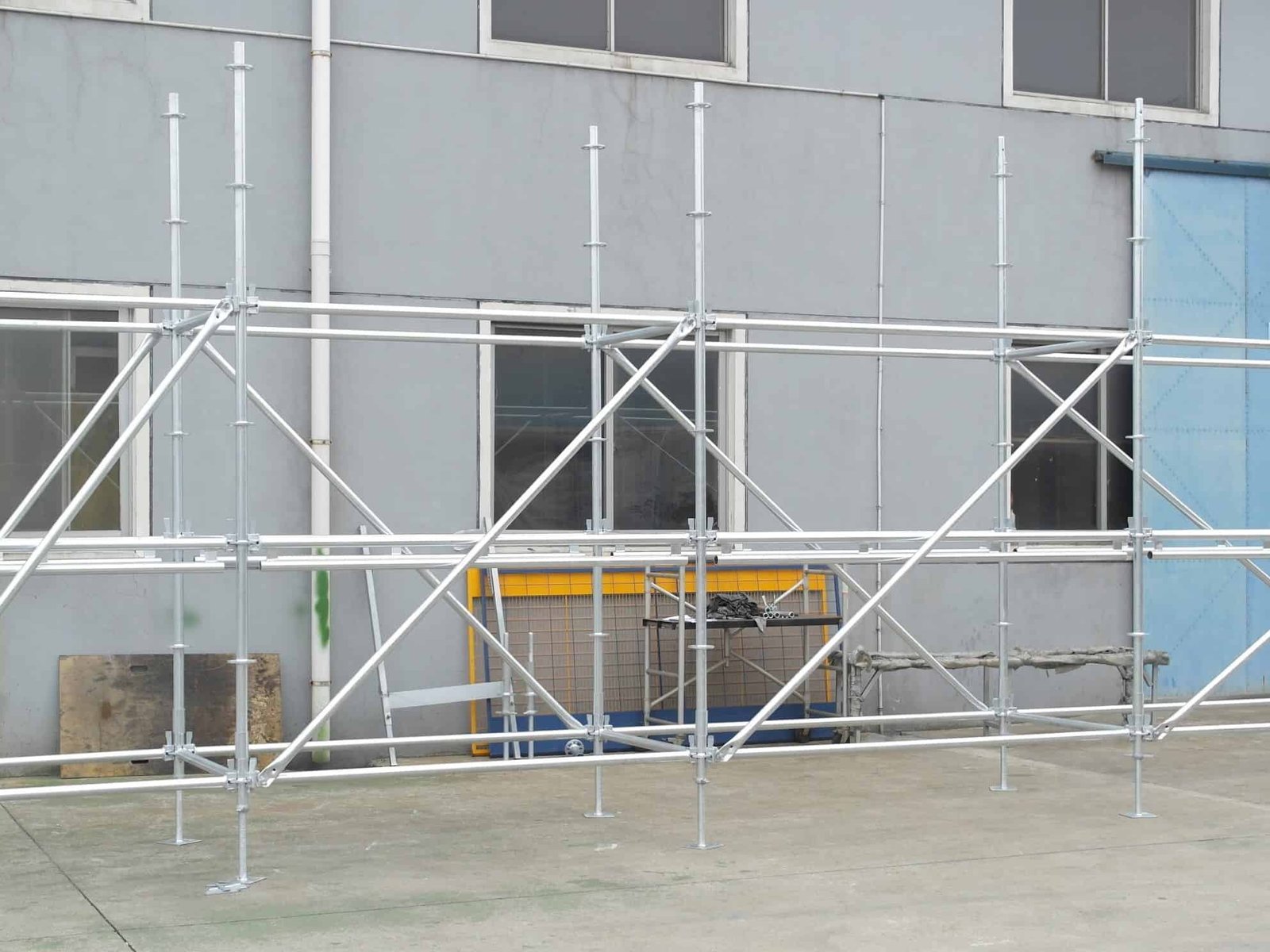
Per ponteggi tradizionali si intendono generalmente strutture di ponteggio più permanenti o semipermanenti, costruite per consentire un accesso più ampio al cantiere. A seconda del progetto, queste possono includere ponteggi a tubi e morsetti o ponteggi modulari come Ringlock, Cuplock o altri sistemi di ponteggio modulari.
Le impalcature tradizionali sono generalmente progettate per coprire aree di lavoro più ampie, supportare un maggior numero di lavoratori, trasportare più materiali e rimanere in posizione per periodi più lunghi. Sono comunemente utilizzate su facciate di edifici, grandi progetti di ingegneria civile, impianti industriali e cantieri in cui è richiesto un accesso continuo su più livelli o a grandi altezze.
Rispetto a una torre di ponteggio mobile, il ponteggio tradizionale è meno incentrato sul rapido riposizionamento e più sull'accesso di lavoro stabile e prolungato. Per i progetti che necessitano di un sistema modulare piuttosto che di una torre compatta, un Sistema di ponteggio Ringlock è un'opzione comune.
La principale differenza tra torri di accesso mobili e ponteggi tradizionali
La differenza principale sta nello scopo.
Una torre di accesso mobile è progettata per la mobilità e l'accesso rapido. Viene solitamente utilizzata per lavori meno impegnativi in cui l'area di lavoro cambia frequentemente.
Le impalcature tradizionali sono progettate per coprire aree più ampie, per periodi di tempo più lunghi e per far fronte a esigenze di cantiere più gravose. Vengono generalmente scelte quando più lavoratori devono accedere contemporaneamente o quando l'area di lavoro è troppo vasta per una soluzione a torre compatta.
In parole semplici, uno è progettato per garantire flessibilità di movimento, mentre l'altro è pensato per un accesso strutturale più ampio.
Differenze di struttura e progettazione

Una torre di accesso mobile è in genere una struttura verticale autonoma. Ha un ingombro ridotto, una piattaforma di lavoro ben definita e ruote integrate che ne consentono lo spostamento all'occorrenza. Grazie a questa progettazione, è particolarmente adatta per interventi di accesso localizzati.
Le impalcature tradizionali sono più versatili. Possono essere installate lungo i bordi degli edifici, avvolgere le strutture ed essere costruite per adattarsi a planimetrie più ampie e complesse. Sono più facili da adattare a facciate, prospetti irregolari o lavori che richiedono lunghe piattaforme di lavoro.
Per gli acquirenti, questo significa che la decisione spesso inizia con una domanda: è necessaria una torre di ponteggio compatta in alluminio per l'accesso puntuale, oppure un sistema di ponteggio completo per una copertura più ampia?
Mobilità e riposizionamento
È proprio in questo contesto che le torri di accesso mobile si distinguono nettamente.
Una torre mobile è progettata per essere riposizionata all'interno del cantiere. Se il lavoro prevede attività brevi e ripetitive in diverse postazioni, come installazioni elettriche, lavori al soffitto, tinteggiatura, ispezioni o manutenzione, una torre consente spesso di risparmiare tempo perché gli operatori possono spostare l'unità anziché smontare e rimontare le attrezzature di accesso.
Le impalcature tradizionali sono molto meno mobili. Una volta installate, sono generalmente destinate a rimanere nella posizione desiderata. Riposizionarle richiede più lavoro, più tempo e spesso una pianificazione più accurata.
Pertanto, quando la mobilità è importante, una torre di accesso mobile solitamente offre un vantaggio.
Tempi di installazione e manodopera necessaria
Le torri di accesso mobili sono generalmente più veloci da assemblare per lavori di accesso di piccole e medie dimensioni. I loro telai prefabbricati e i componenti standardizzati riducono i tempi di montaggio e le rendono adatte a squadre che necessitano di un'installazione e di uno smontaggio rapidi.
Questo è uno dei motivi per cui le torri di accesso mobili in alluminio sono ampiamente utilizzate in lavori di manutenzione, allestimento, ispezione e accesso agli interni. I componenti leggeri migliorano l'efficienza di movimentazione e riducono la pressione sul lavoro durante l'assemblaggio.
L'installazione di ponteggi tradizionali richiede generalmente più tempo perché copre un'area più ampia e spesso necessita di più componenti, una pianificazione più accurata e una maggiore manodopera. Tuttavia, questo tempo di montaggio aggiuntivo è giustificato dal fatto che il ponteggio rimarrà in posizione e supporterà i lavori in corso per un periodo prolungato.
Area di lavoro e copertura di accesso
Una torre di accesso mobile consente l'accesso a una zona di lavoro limitata. È ideale quando uno o due operatori devono svolgere attività in un punto specifico.
Le impalcature tradizionali coprono un'area molto più ampia. Permettono a più operai di lavorare lungo la stessa altezza e spesso garantiscono un flusso di lavoro continuo su una facciata o una struttura. Ciò è particolarmente importante nelle costruzioni esterne, nella muratura, nel trattamento delle facciate, nel supporto delle casseforme e in altre operazioni di ampia portata.
Se il lavoro è concentrato in un unico punto, un ponteggio a torre potrebbe essere sufficiente. Se invece il lavoro si estende su un'ampia area, i ponteggi tradizionali rappresentano solitamente la soluzione migliore.
Capacità di carico e tipologia di lavoro
Le torri di accesso mobili sono progettate principalmente per il trasporto di personale e attrezzature leggere. Di solito non rappresentano la soluzione migliore quando il lavoro prevede l'impiego di materiali pesanti, carichi continui o la presenza di più operatori su ampie superfici di appoggio.
Le impalcature tradizionali sono più adatte ad applicazioni più gravose. Possono supportare un numero maggiore di lavoratori, più materiali e attività di costruzione più impegnative. Nei progetti di grandi dimensioni, questa maggiore capacità diventa essenziale.
Per questo motivo, le torri mobili sono spesso utilizzate nei lavori di manutenzione, allestimento, finitura e ispezione, mentre i ponteggi tradizionali sono più comuni nelle costruzioni strutturali, nei lavori di facciata e nelle fermate industriali.
Uso interno vs. uso esterno
Le torri di accesso mobili sono spesso preferite per i lavori in ambienti interni perché sono leggere, facili da spostare e adatte a superfici lisce. Sono comunemente utilizzate in magazzini, fabbriche, centri commerciali, aeroporti e cantieri edili.
Possono essere utilizzate anche all'aperto, ma le condizioni del luogo sono fondamentali. L'esposizione al vento, il terreno irregolare e le limitazioni di movimento devono essere attentamente valutati.
Le impalcature tradizionali sono più comunemente utilizzate per l'accesso strutturale in esterni perché possono essere fissate, puntellate e costruite per applicazioni esterne di grandi dimensioni. Ciò le rende più adatte ad ambienti esposti e a lavori all'aperto di lunga durata.
Considerazioni sulla sicurezza
Entrambi i sistemi possono garantire un accesso di lavoro sicuro se selezionati e utilizzati correttamente, ma i rischi che comportano sono diversi.
Le torri di accesso mobili richiedono un'attenta valutazione del bloccaggio delle ruote, dell'altezza della piattaforma, degli stabilizzatori, delle condizioni del terreno e delle procedure di movimento sicure. Per indicazioni generali sulla sicurezza e sull'ispezione, gli acquirenti possono fare riferimento a Linee guida per la sicurezza dei ponteggi a torre. I problemi si verificano spesso quando gli utenti spostano la torre in modo errato, sovraccaricano la piattaforma o la utilizzano su superfici non idonee.
Le impalcature tradizionali richiedono una progettazione, un montaggio, un ancoraggio, un fissaggio, un'installazione della piattaforma e un'ispezione adeguati. Essendo più grandi e complesse, la loro sicurezza dipende in larga misura da una corretta pianificazione e installazione.
In pratica, nessuno dei due sistemi è automaticamente più sicuro dell'altro. L'opzione più sicura è quella che si adatta meglio alle condizioni del sito, all'ambito di lavoro e alla modalità di utilizzo.
Considerazioni sui costi
Per lavori di dimensioni ridotte, una torre di accesso mobile è spesso la scelta più economica. In genere richiede meno componenti, meno manodopera e meno tempo di installazione.
Per lavori di maggiori dimensioni o di lunga durata, i ponteggi tradizionali possono offrire un rapporto qualità-prezzo migliore perché supportano un numero maggiore di lavoratori e garantiscono un accesso più continuo. Sebbene il costo iniziale di installazione sia più elevato, può risultare più efficiente nel lungo periodo, per tutta la durata del progetto.
Ciò significa che gli acquirenti non dovrebbero confrontare solo il prezzo iniziale del prodotto. Dovrebbero anche confrontare la manodopera, i tempi di installazione, la possibilità di riutilizzo, la durata del lavoro e il livello di copertura di accesso effettivamente necessario.
Quando scegliere una torre di accesso mobile
Una torre di accesso mobile è generalmente la scelta migliore quando:
- l'area di lavoro cambia frequentemente
- è necessario un rapido riposizionamento
- il compito è di breve durata o di lavoro leggero
- L'accesso deve avvenire in un unico punto, non attraverso un ampio dislivello.
- il progetto si svolge al chiuso o su una superficie del pavimento stabile
- l'equipaggio ha bisogno di un allestimento rapido con meno componenti
Tra gli esempi tipici figurano la manutenzione, i lavori elettrici, l'installazione di impianti di riscaldamento, ventilazione e condizionamento (HVAC), la tinteggiatura, la realizzazione di segnaletica, la riparazione di soffitti e le attività di ispezione.
Quando scegliere i ponteggi tradizionali
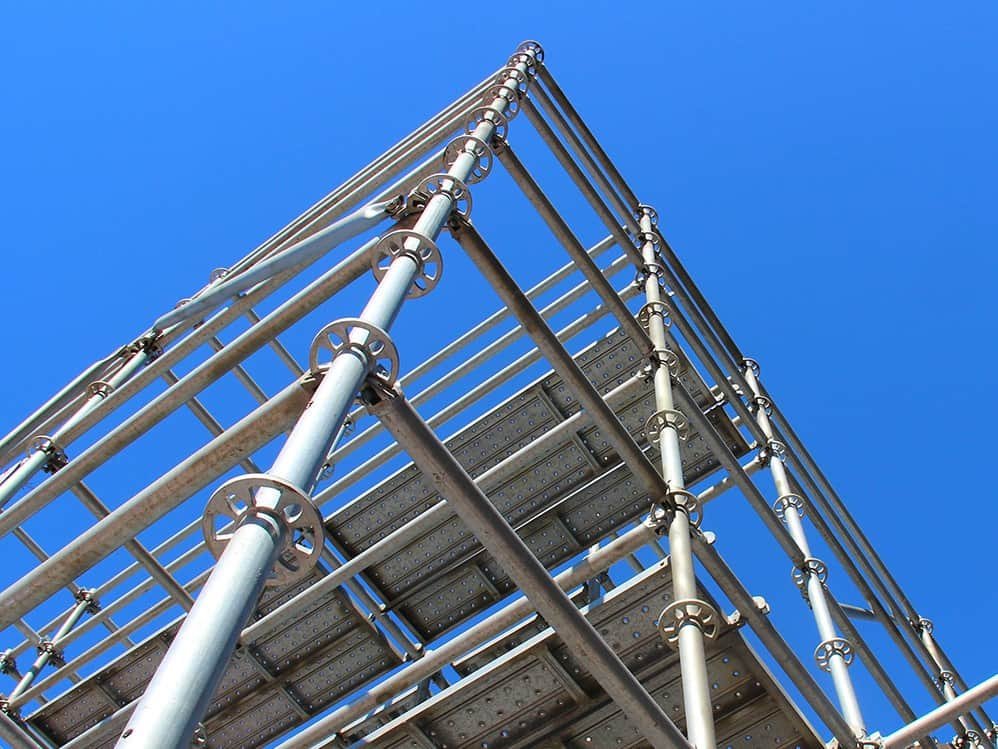
Le impalcature tradizionali sono generalmente la scelta migliore quando:
- l'opera copre una vasta area
- più lavoratori necessitano di accedere contemporaneamente
- L'impalcatura deve rimanere in posizione per un periodo più lungo
- I materiali e gli strumenti devono essere supportati lungo la piattaforma di lavoro
- Il progetto prevede lavori di facciata, costruzioni strutturali o accessi industriali.
- Le condizioni del sito richiedono un sistema di accesso più stabile ed esteso
Tra gli esempi tipici figurano facciate di edifici, intonacatura esterna, muratura, ristrutturazioni importanti, lavori infrastrutturali e progetti di fermo impianto.
Cosa dovrebbero considerare gli acquirenti prima di scegliere
Prima di scegliere tra una torre di accesso mobile e un ponteggio tradizionale, gli acquirenti dovrebbero guardare oltre la semplice tipologia di prodotto.
Il primo aspetto da considerare è l'altezza di lavoro. Una torre di ponteggio in alluminio compatta può essere sufficiente per lavori di manutenzione o installazione localizzati, ma per interventi più ampi su facciate o strutture di solito è necessaria una copertura di ponteggio maggiore.
Il secondo punto riguarda le dimensioni dell'area di lavoro. Se gli operai devono accedere a un solo punto alla volta e la posizione di lavoro cambia frequentemente, una torre di accesso mobile è spesso l'opzione più efficiente. Se il lavoro si estende su una superficie più ampia o richiede la presenza di più operai sulla stessa linea, i ponteggi tradizionali sono generalmente la scelta migliore.
Gli acquirenti dovrebbero inoltre verificare i requisiti di carico, l'utilizzo in ambienti interni o esterni, le condizioni della superficie del sito, le esigenze di trasporto e stoccaggio e la frequenza con cui il sistema di accesso deve essere spostato o regolato.
In molti casi, la decisione giusta non si basa semplicemente sul sistema che costa meno all'inizio. Si basa piuttosto sul sistema che meglio si adatta al progetto e contribuisce a ridurre i tempi di installazione, la pressione sul personale e i ritardi legati all'accesso.
Conclusione
Sia le torri di accesso mobili che i ponteggi tradizionali sono soluzioni di accesso importanti, ma sono progettate per esigenze di cantiere diverse.
Una torre di accesso mobile è ideale per accessi rapidi, flessibili e localizzati. I ponteggi tradizionali sono più adatti per aree di lavoro più ampie, estese e complesse.
Per appaltatori, distributori e acquirenti di progetti, la vera decisione non è quale soluzione sia migliore in generale, ma quale sia la più adatta allo specifico lavoro da svolgere. Quando la soluzione di accesso è adeguata al compito, il risultato è solitamente un lavoro più sicuro, un avanzamento più rapido e una maggiore efficienza complessiva.
Se stai confrontando le opzioni di accesso per manutenzione, costruzione o uso industriale, puoi consultare la nostra più ampia soluzioni di ponteggio O inviare una richiesta per discutere i requisiti del tuo progetto.
Domande frequenti
Qual è la principale differenza tra una torre di accesso mobile e un ponteggio tradizionale?
Una torre di accesso mobile è progettata per un accesso leggero e mobile in punti specifici, mentre i ponteggi tradizionali sono progettati per un accesso di lavoro più ampio e permanente su aree più estese.
Quando è consigliabile utilizzare una torre di accesso mobile al posto dei ponteggi tradizionali?
Una torre di accesso mobile è generalmente la scelta migliore per lavori di breve durata, manutenzione interna, ispezioni, lavori di finitura e interventi che richiedono un rapido riposizionamento.
Quando le impalcature tradizionali rappresentano l'opzione migliore?
Le impalcature tradizionali sono più adatte a progetti di grandi dimensioni, aree di accesso più ampie, più lavoratori, durate di progetto più lunghe e applicazioni più gravose come lavori di facciata o costruzioni strutturali.
È meglio utilizzare una torre di ponteggio in alluminio piuttosto che in acciaio per tutti i progetti?
Non sempre. Le torri in alluminio sono più leggere, più facili da spostare e resistenti alla corrosione, il che le rende molto adatte alla manutenzione e ai frequenti riposizionamenti. L'acciaio potrebbe comunque essere preferibile in alcune applicazioni più gravose o a lungo termine.
È possibile utilizzare una torre di accesso mobile all'aperto?
Sì, ma l'utilizzo all'aperto dipende dalle condizioni del terreno, dall'esposizione al vento, dagli stabilizzatori e dalla configurazione della torre. Una torre di accesso mobile dovrebbe essere utilizzata all'aperto solo quando le condizioni del sito sono idonee.
È possibile sostituire le impalcature tradizionali con una torre di accesso mobile in tutti i progetti?
No. Una torre di accesso mobile funziona bene per molte attività di accesso, ma non sostituisce i ponteggi tradizionali quando è richiesta una maggiore copertura, una maggiore capacità di carico o un accesso di durata prolungata.
Cosa dovrebbero verificare gli acquirenti prima di scegliere tra i due?
Gli acquirenti dovrebbero valutare l'altezza di lavoro, i requisiti di carico, le dimensioni dell'area di lavoro, l'utilizzo in ambienti interni o esterni, la frequenza di riposizionamento, la durata del progetto e se il lavoro richiede un accesso puntuale o una copertura completa del ponteggio.