

Введение
Время — один из самых ценных ресурсов на любой строительной площадке. Будь то коммерческое здание, проект по техническому обслуживанию промышленного объекта, ремонт моста или развитие инфраструктуры, любая задержка может увеличить затраты на рабочую силу, арендную плату за оборудование и давление на проект.
Именно поэтому все больше подрядчиков переходят от традиционных методов установки строительных лесов к модульные строительные леса. По сравнению с трубчатыми и зажимными строительными лесами или простыми каркасными лесами, модульные системы разработаны для более быстрой сборки, более безопасного доступа и большей гибкости на сложных строительных площадках.
В этой статье мы объясним, что такое модульные строительные леса, почему они становятся все более популярными, и расскажем о пяти основных способах, которыми они помогают экономить время на строительных площадках.
Что такое модульная система строительных лесов?
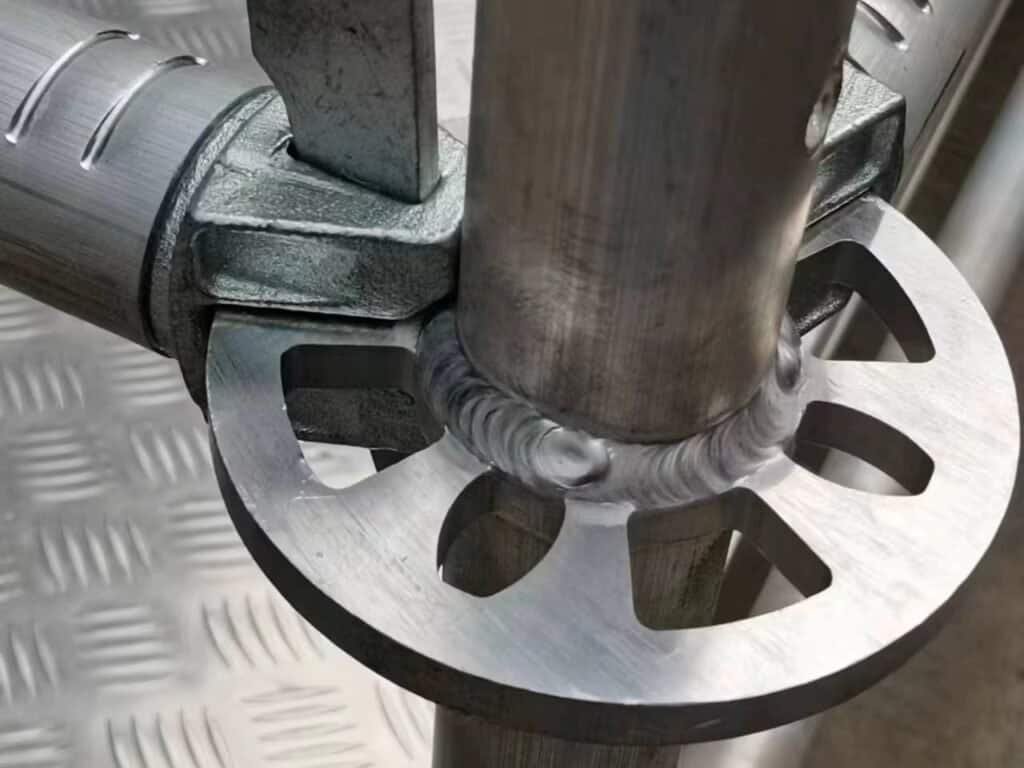
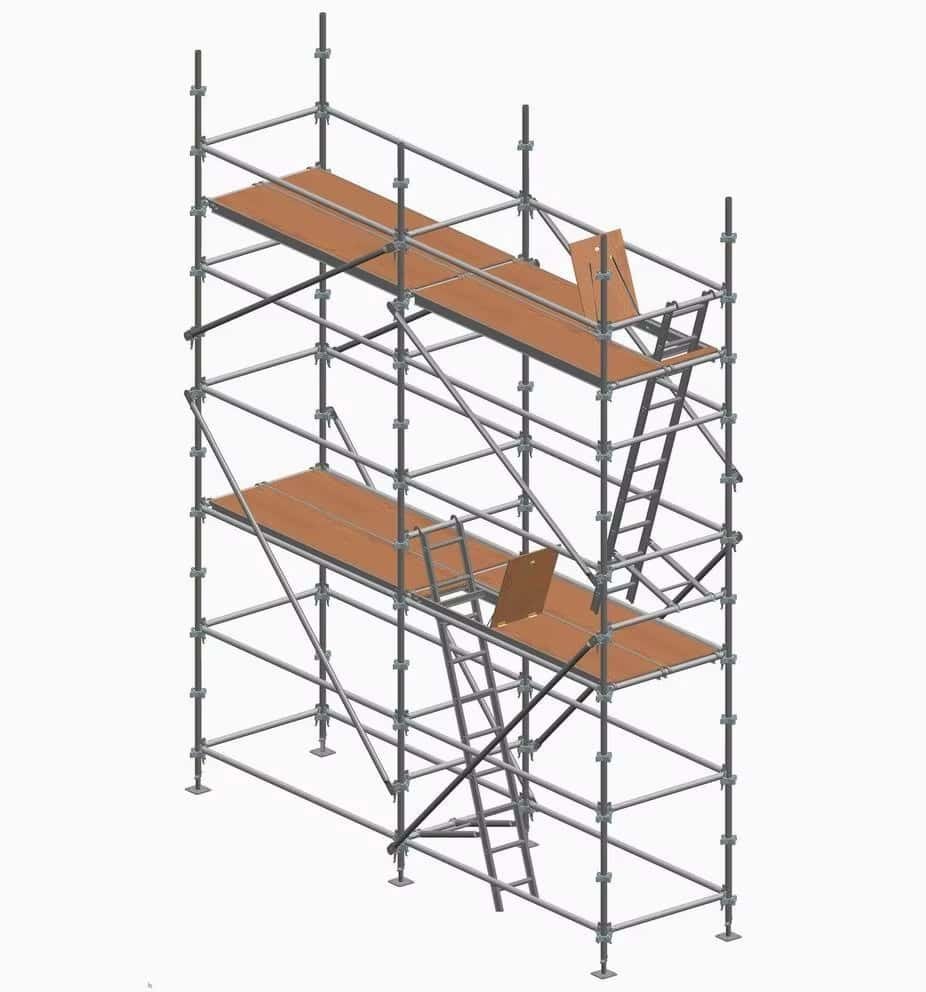
Модульная система строительных лесов — это тип лесов, изготовленных из стандартизированных компонентов, которые соединяются между собой фиксированным и повторяющимся способом. Вместо использования множества отдельных труб, зажимов и фитингов, в модульных лесах используются вертикальные стойки, горизонтальные продольные балки, распорки, опорные плиты, настилы и замковые соединения.
Эти компоненты изготавливаются с высокой точностью подгонки друг к другу. Рабочие могут быстро строить строительные леса, соединяя каждую деталь с помощью розеток, чашек, клиньев, штифтов или других фиксирующих механизмов, в зависимости от типа системы.
К распространенным модульным системам строительных лесов относятся:
- Кольцевые леса
- Строительные леса Cuplock
- Kwikstage строительные леса
- Системы крепления и поддержки опалубки
- Лестничные башни
Благодаря стандартизации компонентов модульные строительные леса могут использоваться для самых разных проектов, от простых работ по оформлению фасадов до сложных промышленных подъемных платформ.
Почему растет спрос на модульные строительные леса
Строительная отрасль испытывает все большее давление, требующее более быстрого, безопасного и экономичного строительства. Нехватка рабочей силы, сжатые сроки и более высокие стандарты безопасности сделали эффективные решения для обеспечения доступа как никогда важными.
Модульные строительные леса отвечают этим требованиям, поскольку они помогают подрядчикам:
- Сокращение времени монтажа и демонтажа
- Повышение уровня безопасности труда на высоте
- Адаптироваться к различным формам зданий
- Снизить зависимость от высококвалифицированных специалистов по монтажу строительных лесов.
- Используйте одну и ту же систему в нескольких проектах.
- Улучшить обработку и хранение материалов.
Для подрядчиков, управляющих крупномасштабными или повторяющимися проектами, модульные системы обеспечивают как краткосрочную скорость, так и долгосрочную выгоду.
5 главных способов экономии времени с помощью модульных строительных лесов
1. Более быстрая сборка и разборка
Главное преимущество модульных строительных лесов, позволяющее сэкономить время, — это более быстрая сборка.
Традиционные строительные леса требуют от рабочих измерения и затягивания множества отдельных соединений. Модульные строительные леса упрощают этот процесс, поскольку компоненты спроектированы таким образом, чтобы соединяться в фиксированных точках. Рабочие просто вставляют, фиксируют и закрепляют детали в соответствии с конструкцией лесов.
Например, в системе кольцевых строительных лесов продольные балки и распорки соединяются с розетками на вертикальных стойках. Это обеспечивает прочное и точное соединение без необходимости использования множества зажимов в каждом стыке.
Это позволяет сэкономить время несколькими способами:
- Меньше незакрепленных деталей, с которыми нужно возиться.
- Меньше измерений и корректировок
- Более быстрое соединение между компонентами
- Упрощенная подготовка бригад по установке строительных лесов.
- Более быстрый демонтаж после завершения работ.
Демонтаж также происходит быстрее, поскольку одна и та же система фиксации позволяет легче последовательно извлекать компоненты. Для проектов со сжатыми сроками это может сократить время выполнения работ на несколько часов или даже дней.
2. Сокращение трудозатрат и потребности в инструментах.
Затраты на рабочую силу — одна из самых значительных статей расходов на строительной площадке. Когда для установки строительных лесов требуется слишком много рабочих или слишком много времени, весь проект обходится дороже.
Модульные строительные леса помогают сократить трудозатраты, поскольку их компоненты проще устанавливать. Рабочим не нужно возиться с большим количеством зажимов, болтов или незакрепленных деталей. Многие соединения можно выполнить с помощью простых фиксирующих действий и базовых инструментов.
Это не означает, что проверки безопасности становятся менее важными. Монтаж строительных лесов всегда должен выполняться обученными рабочими в соответствии с местными стандартами и требованиями проекта. Однако модульные системы делают этот процесс более эффективным и упрощают контроль.
К преимуществам относятся:
- Небольшие монтажные бригады
- Меньше времени тратится на повторяющиеся действия.
- Снижение физической нагрузки на работников
- Меньше инструментов требуется на месте
- Более эффективное использование трудовых ресурсов
Когда бригады, занимающиеся установкой лесов, заканчивают работу быстрее, подрядчики могут перенаправить рабочих на другие важные задачи. Это повышает общую производительность на строительной площадке и помогает поддерживать ход проекта.
3. Повышение безопасности и сокращение задержек.
Безопасность и экономия времени тесно взаимосвязаны. Несчастные случаи, небезопасный доступ и неустойчивые рабочие платформы могут привести к серьезным задержкам. Они также могут повлечь за собой проверки, остановку работ, затраты, связанные с травмами, и штрафы по проекту.
Модульные строительные леса разработаны с учетом требований безопасности. Фиксированные точки соединения помогают снизить количество ошибок при сборке. Конструкция более однородна, что упрощает проверку перед использованием.
К общим элементам безопасности относятся:
- Надежные запирающие механизмы
- Стабильные рабочие платформы
- Ограждения и бортики
- Прочная диагональная распорка
- Противоскользящие покрытия
- Надлежащие лестницы или стремянки для доступа
Когда рабочие чувствуют себя в безопасности, они могут лучше сосредоточиться на своих задачах. Они тратят меньше времени на беспокойство по поводу неустойчивых платформ, неплотно прилегающих элементов или сложных путей доступа.
Более безопасные строительные леса также сокращают время простоя. Меньшее количество несчастных случаев и исправлений означает, что проект может продолжаться без ненужных перерывов.
Для подрядчиков это одно из самых ценных преимуществ модульных строительных лесов. Оно не только экономит время при сборке, но и гарантирует соблюдение всего графика проекта.
4. Легкая адаптация для сложных строительных площадок.
Нет двух абсолютно одинаковых строительных площадок. Некоторые проекты включают в себя изогнутые фасады, неровную местность, узкие пространства, высокие потолки, резервуары, мосты, верфи или промышленные предприятия с множеством препятствий.
Традиционные строительные леса можно адаптировать к этим условиям, но это часто требует больше времени, больше крепежных элементов и более опытных рабочих.
Модульные строительные леса упрощают индивидуальную настройку. Поскольку компоненты имеют стандартные размеры и интервалы соединения, рабочие могут добавлять, удалять или регулировать детали, не перестраивая всю конструкцию целиком.
Это особенно полезно для:
- Промышленное техническое обслуживание
- Нефтегазовые объекты
- Электростанции
- Строительство мостов
- Судостроение
- Высотные здания
- Крупные коммерческие проекты
Например, если рабочим необходим доступ на другой уровень, строительные леса часто можно быстро удлинить. Если форма здания меняется, модульную компоновку можно скорректировать, добавив дополнительные балки, распорки, платформы или лестничные блоки.
Такая гибкость сокращает время простоя, вызванное перепроектированием или перестройкой подъездных сооружений. Она также помогает подрядчикам быстро реагировать на непредвиденные условия на строительной площадке.
5. Многоразовая конструкция и эффективная обработка материалов.
Модульные строительные леса не предназначены для одноразового использования. Высококачественные системы при надлежащем техническом обслуживании могут использоваться повторно на многих проектах.
Это позволяет значительно сэкономить время на подготовке материалов, транспортировке, хранении и управлении запасами.
Благодаря стандартизации компонентов подрядчики могут более эффективно их организовывать. Стойки, продольные балки, распорки, платформы и опорные плиты можно систематически укладывать, подсчитывать, загружать и транспортировать.
Это помогает уменьшить:
- Время, затраченное на поиск запчастей
- Материальные потери на месте
- Задержки при погрузке и разгрузке.
- Проблемы с хранением
- затраты на замену
- Загроможденный сайт
Многоразовые строительные леса также упрощают планирование. Подрядчики знают, какие детали у них есть, как они соединяются и как их можно использовать на следующем проекте.
Для компаний, работающих на нескольких строительных площадках, такая стабильность является существенным преимуществом. Она улучшает логистику и сокращает время, затрачиваемое на управление материалами.
Модульные строительные леса против традиционных строительных лесов
Традиционные строительные леса
Традиционные строительные леса, особенно трубчатые и зажимные, используют отдельные стальные трубы, соединенные зажимами и фитингами. Этот метод является гибким, но может быть медленным, поскольку каждое соединение необходимо тщательно измерить, выровнять, затянуть и проверить.
Зачастую это требует более квалифицированной рабочей силы и большего количества инструментов. На крупных проектах время сборки может стать серьезной проблемой, особенно когда строительные леса необходимо часто корректировать.
Модульные строительные леса
Модульные строительные леса разработаны для упрощения процесса сборки. Точки соединения уже встроены в компоненты, поэтому рабочие могут устанавливать продольные балки, распорки и платформы в запланированной последовательности.
Это уменьшает количество догадок и помогает бригадам строить быстрее и с меньшим количеством ошибок. В результате получается строительная конструкция, которую легче контролировать, проверять и модифицировать.
Какой из них лучше?
Выбор оптимального типа строительных лесов зависит от конкретного проекта. Для небольших, простых ремонтных работ вполне подойдут каркасные или трубчатые леса с зажимами. Однако для коммерческих, промышленных, инфраструктурных проектов и проектов с высотными сооружениями модульные леса часто являются лучшим выбором.
Это особенно полезно, когда проект требует:
- Быстрая установка
- Многократная сборка и разборка
- Сложный доступ вокруг нерегулярных сооружений
- Высокая грузоподъемность
- Безопасные рабочие платформы
- Долгосрочное повторное использование
Для многих современных подрядчиков модульные строительные леса перестали быть просто альтернативой. Они становятся предпочтительным решением для доступа к объектам.
Почему подрядчики предпочитают модульные строительные леса
Улучшенное планирование проектов
Модульные строительные леса способствуют ускорению планирования проектов, поскольку их можно быстро собирать, регулировать и демонтировать. Это особенно важно, когда различным подрядчикам необходим доступ на разных этапах строительства.
Например, работникам, занимающимся фасадными работами, малярам, электрикам, сварщикам и ремонтным бригадам, может потребоваться доступ к строительным лесам в разное время. Модульная система упрощает адаптацию конструкции доступа по мере продвижения проекта.
Более высокая долгосрочная ценность
Хотя модульные строительные леса могут потребовать больших первоначальных инвестиций, чем некоторые базовые типы лесов, они часто обеспечивают лучшую долгосрочную выгоду.
Система может использоваться многократно, что снижает необходимость в повторных расходах на аренду или покупку. Прочные стальные компоненты с надлежащей обработкой поверхности, например, горячим цинкованием, обладают коррозионной стойкостью и продлевают срок службы.
Со временем подрядчики могут получить выгоду от:
- Снижение затрат на рабочую силу
- Более быстрое завершение проекта
- Сокращение времени простоя
- Улучшенные показатели безопасности
- Снижение затрат на замену
- Более эффективное хранение и транспортировка
Благодаря этому модульные строительные леса становятся разумным вложением средств для подрядчиков, которым необходима надежная работа на множестве проектов.
Как выбрать подходящую модульную систему строительных лесов
Перед покупкой или арендой модульной системы строительных лесов подрядчикам следует тщательно оценить требования проекта.
Грузоподъемность
Для разных проектов требуются разные грузоподъемности. Для легких ремонтных работ может потребоваться меньшая грузоподъемность, чем для каменной кладки, бетонных работ или промышленных опорных платформ.
Требования к высоте
Система строительных лесов должна соответствовать рабочей высоте объекта. Более высокие леса требуют надлежащего крепления, анкеровки и профессионального проектирования.
Условия на площадке
При выборе строительных лесов необходимо учитывать состояние грунта, воздействие ветра, ограниченность пространства и форму здания.
Качество материалов
Высококачественные стальные или алюминиевые компоненты повышают безопасность и срок службы. Подрядчики должны проверять качество сварных швов, точность соединений и обработку поверхности.
Стандарты безопасности
Строительные леса должны соответствовать соответствующим стандартам безопасности для целевого рынка. Международным покупателям важно уточнять у поставщиков информацию о тестировании, сертификации и контроле качества.
Надежность поставщика
Хороший поставщик должен предоставлять техническую поддержку, технические характеристики продукции, информацию о погрузке и запасные части. Для покупателей в сегменте B2B надежность поставщика так же важна, как и цена продукции.
Заключение
Модульные строительные леса помогают подрядчикам строить быстрее, безопаснее и эффективнее. По сравнению с традиционными лесами, они обладают явными преимуществами в скорости сборки, эффективности труда, безопасности, гибкости и перемещении материалов.
Пять главных преимуществ, позволяющих сэкономить время, следующие:
- Более быстрая сборка и разборка
- Сокращение трудозатрат и требований к инструментам.
- Повышенная безопасность и меньше задержек.
- Простая настройка для сложных строительных площадок.
- Многоразовая конструкция и эффективная обработка материалов
Для подрядчиков, работающих над коммерческими, промышленными и инфраструктурными проектами, модульные строительные леса — это не просто временная система доступа. Это инструмент повышения производительности, способный улучшить весь строительный процесс.
Часто задаваемые вопросы
1. Что такое модульная система строительных лесов?
Модульная система строительных лесов — это леса, состоящие из стандартизированных компонентов, соединяющихся посредством фиксированных точек крепления. Распространенными примерами являются кольцевые и чашеобразные строительные леса.
2. Каким образом модульные строительные леса экономят время?
Это позволяет экономить время за счет использования предварительно спроектированных деталей, которые быстрее собираются, разбираются, регулируются, транспортируются и используются повторно. Это сокращает трудозатраты и повышает эффективность работы на объекте.
3. Модульные строительные леса безопаснее традиционных?
Модульные строительные леса могут обеспечить более высокую безопасность при правильном проектировании и монтаже, поскольку в них используются надежные запорные соединения, устойчивые платформы, ограждения, распорки и стандартизированные компоненты.
4. Можно ли использовать модульные строительные леса для промышленных проектов?
Да. Модульные строительные леса широко используются в промышленном обслуживании, на электростанциях, нефтегазовых объектах, верфях, мостах и крупных коммерческих проектах, поскольку они хорошо адаптируются к сложным конструкциям.
5. Что следует учитывать подрядчикам перед покупкой модульных строительных лесов?
Подрядчикам следует учитывать грузоподъемность, рабочую высоту, качество материалов, обработку поверхности, стандарты безопасности, совместимость компонентов и надежность поставщиков.