

مقدمة
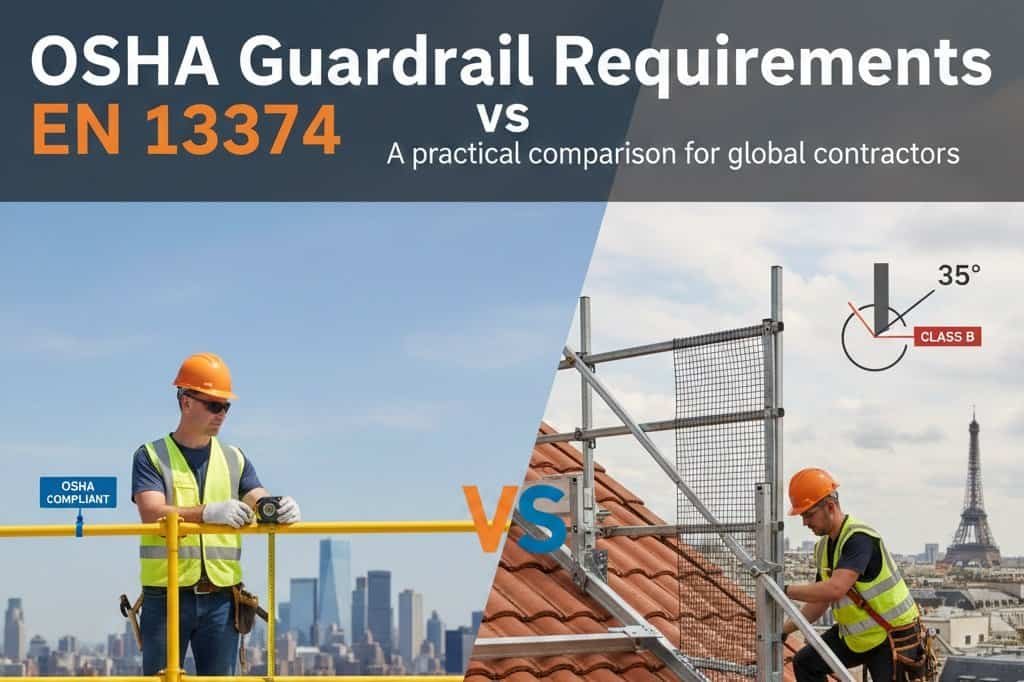
يُعدّ فهم الفرق بين متطلبات إدارة السلامة والصحة المهنية (OSHA) الخاصة بحواجز الحماية ومعيار EN 13374 أمرًا بالغ الأهمية للمقاولين وفرق المشتريات العاملة على مستوى العالم. تضع إدارة السلامة والصحة المهنية معايير السلامة في مواقع العمل الأمريكية، بينما يحدد معيار EN 13374 متطلبات الأداء لأنظمة حماية الحواف المؤقتة المستخدمة دوليًا.
ستساعدك هذه المقارنة على فهم كلا المعيارين وضمان الامتثال عند تحديد أنظمة حماية الحواف لمختلف مشاريع البناء.
ما الذي "يحاول" كل معيار القيام به؟“

إدارة السلامة والصحة المهنية (المتطلبات التنظيمية الأمريكية)
إدارة السلامة والصحة المهنية (OSHA) هي هيئة تنظيمية في الولايات المتحدة الأمريكية تضع معايير السلامة الدنيا لضمان حماية العمال في مواقع البناء. وتركز معاييرها الخاصة بالحماية من السقوط (الموضحة في الجزء الفرعي م من المادة 1926 من قانون اللوائح الفيدرالية 29) على الحد من الحوادث والوفيات الناجمة عن السقوط في مواقع البناء، والتي تُعدّ من الأسباب الرئيسية للإصابات والوفيات في هذا القطاع.
EN 13374 (المعيار الأوروبي لأداء الحماية المؤقتة للحواف)
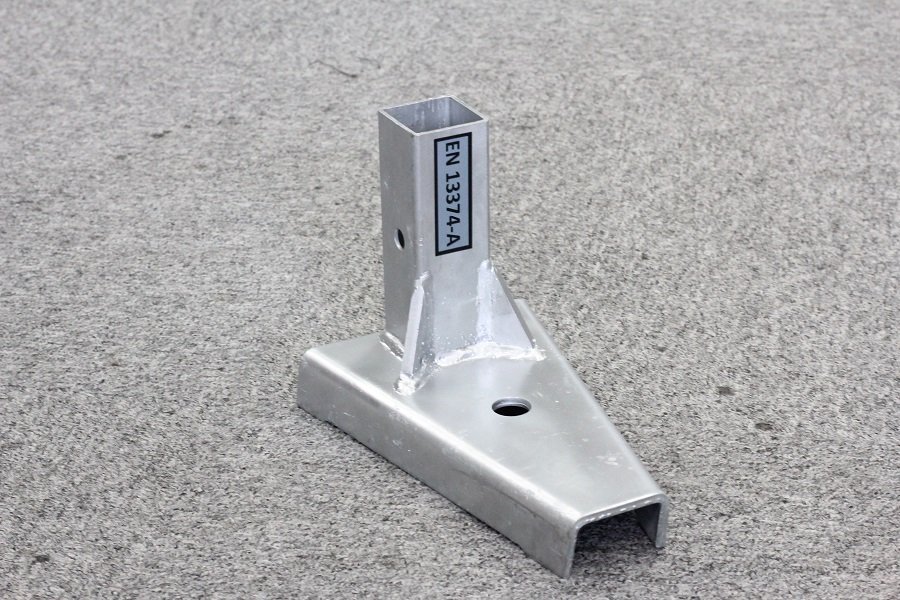
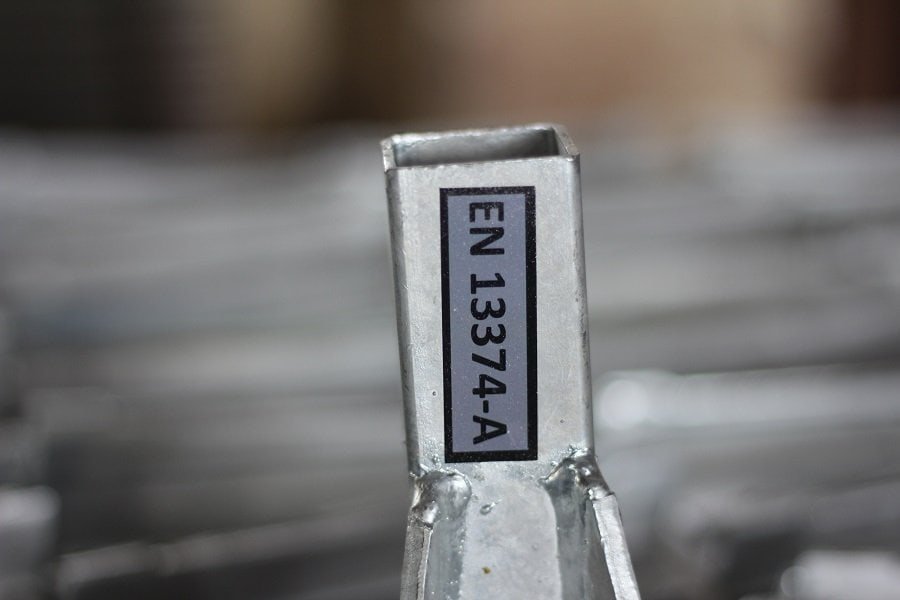
يُعدّ معيار EN 13374 معيارًا للمنتجات يُستخدم بشكل أساسي في أوروبا وعلى الصعيد الدولي لضمان أداء أنظمة الحماية المؤقتة للحواف (TEPS) بأمان في مختلف الظروف. ويركز هذا المعيار على تصميم المنتجات واختبارها لضمان استيفاء الأنظمة المستخدمة في مواقع البناء لمعايير أداء محددة في ظل ظروف واقعية.
على عكس إدارة السلامة والصحة المهنية (OSHA) التي تحدد الحد الأدنى من قواعد السلامة لممارسات مواقع العمل، يوفر معيار EN 13374 أساليب اختبار مفصلة ومتطلبات أداء لأنظمة حماية الحواف نفسها. ويركز المعيار على كيفية أداء النظام تحت الأحمال، بما في ذلك وزن العمال والمواد والعوامل البيئية كالرياح. وينقسم المعيار إلى ثلاث فئات (أ، ب، ج) بناءً على عوامل مثل ارتفاع السقوط وميل السطح، وذلك لمراعاة أنواع مختلفة من ظروف العمل (مثل الأسطح المائلة ومناطق السقوط الرأسي).
المعايير الأساسية لحواجز الحماية الخاصة بإدارة السلامة والصحة المهنية (الأمور التي يبحث عنها المفتشون)
وفقًا للمادة 1926.502(ب) من قانون السلامة والصحة المهنية (OSHA 29 CFR)، يتضمن نظام الحواجز الواقية المتوافق عادةً ما يلي:
- ارتفاع السكة العلوية: 42 بوصة ± 3 بوصة أعلى من مستوى المشي/العمل (قد يتجاوز 45 بوصة إذا تم استيفاء جميع المعايير الأخرى).
- السكة الوسطى / الحشو: مطلوب عند عدم وجود جدار/حاجز بارتفاع 21 بوصة على الأقل؛ يتم تركيب السور الأوسط في منتصف المسافة تقريبًا.
- التحكم في الفتح: يتم توزيع الأعضاء الوسيطة بحيث تكون الفتحات لا يزيد عن 19 بوصة.
- قوة: يجب أن يتحمل القضيب العلوي 200 رطل القوة المطبقة للخارج/للأسفل؛ السكة الوسطى/الحشو 150 رطلاً.
ألواح حماية أصابع القدم (التفاصيل الدقيقة للحافة السفلية التي يغفل عنها الناس):
- مطلوب لمنع سقوط الأشياء في الحالات التي قد تسقط فيها الأشياء إلى مستويات أدنى - عادةً عندما يتم تخزين الأدوات/المواد بالقرب من الحافة.
- الحد الأدنى للطول: عادة 3.5 بوصة (3½ بوصة).
- لماذا هذا مهم؟ هذه نقطة ضعف متكررة - قد تمر الحواجز، لكن ألواح حماية القدم المفقودة أو غير المناسبة الحجم تُفعّل مؤشرات السلامة لأن الخطر ينتقل من الناس الساقطون ل الأشياء المتساقطة.
الخلاصة الرئيسية: تعتمد إدارة السلامة والصحة المهنية (OSHA) بشكل كبير على "قواعد الموقع" - الأبعاد والقوة وأساسيات التكوين.

المفهوم الأساسي للمعيار الأوروبي EN 13374: الفئات أ / ب / ج
يصنف المعيار الأوروبي EN 13374 الأنظمة حسب سيناريو المخاطر, ، خصوصاً منحدر السطح و ارتفاع السقوط.
- الفئة أ: ل 0–10° المنحدرات (سيناريوهات الأحمال الثابتة)
- الفئة ب: ل حتى 30 درجة، أو حتى 60 درجة إذا كان ارتفاع السقوط محدودًا (بما في ذلك السيناريو الديناميكي)
- الفئة ج: للمنحدرات الأكثر انحدارًا (غالبًا 30–45 درجة, وأحياناً تصل إلى 60 درجة (مع حدود ارتفاع السقوط) ويتضمن ظروفًا ديناميكية أكثر تطلبًا
الخلاصة الرئيسية: تم بناء معيار EN 13374 حول سيناريوهات حقيقية في مواقع العمل مثل الأسطح المائلة ومخاطر "التدحرج/الانزلاق", ، وليس مجرد حاجز حماية ذو حافة مسطحة.
الاختلافات الرئيسية
- إدارة السلامة والصحة المهنية (OSHA): تركز على السلامة الأساسية في مواقع العمل والحد الأدنى من معايير التركيب (مثل الارتفاع والقوة وتكوين الحواجز الواقية) لمنع السقوط على ارتفاع معين.
- EN 13374: يركز على أداء المنتج نفسه في ظل ظروف العالم الحقيقي، بما في ذلك قدرة تحمل الأحمال، ومقاومة الرياح، وقابلية التكيف مع المنحدرات، مما يضمن أن يكون النظام آمنًا في نطاق أوسع من البيئات.
باختصار، بينما تضمن إدارة السلامة والصحة المهنية (OSHA) الحماية الأساسية في مواقع العمل الأمريكية، يضمن معيار EN 13374 موثوقية أداء أنظمة حماية الحواف ومتانتها في بيئات بناء أكثر تنوعًا. وكلاهما ضروري للامتثال، لكنهما يخدمان أغراضًا مختلفة: أحدهما يضمن سلامة التركيب، والآخر يضمن أداء النظام.
مقارنة عملية جنبًا إلى جنب (ما الذي يجب على فرق المشتريات مقارنته فعليًا)
| عنوان | متطلبات حواجز الأمان الخاصة بإدارة السلامة والصحة المهنية (الولايات المتحدة) | إن 13374 (الاتحاد الأوروبي/ تيبس الدولية) |
|---|---|---|
| ما هو | تنظيم أصحاب العمل (الحد الأدنى من الامتثال) | معيار أداء المنتج/النظام + أساليب الاختبار |
| “التركيز على "النجاح/الرسوب" | الارتفاع، الحشو، الفتحات، المتانة (بالإضافة إلى لوح حماية القدم عند وجود خطر سقوط جسم ما) | الأداء المصنف حسب الفئة لظروف المنحدر/ارتفاع السقوط |
| الأسطح المائلة | لا يتم تصنيفها حسب الانحدار (لا يزال يتعين عليك حمايتها) | اختيار الفئة بشكل صريح حسب الميل وحدود ارتفاع السقوط (في كثير من الأحيان). |
| السلوك الديناميكي | لم يتم تأطيرها كاختبارات ديناميكية قائمة على الفئات في نص القاعدة | ب/ج ضع في اعتبارك سيناريوهات التحميل الديناميكي بشكل صريح |
كيفية تحديد المواصفات بشكل صحيح للمشاريع العالمية
إذا كنت تبيع أو تشتري عبر مناطق مختلفة، فإن النهج الأكثر أمانًا هو متطلبات اللغة المزدوجة:
أ) الامتثال لمعايير السلامة والصحة المهنية في مواقع العمل (معايير التركيب)
- هندسة وقوة الدرابزين وفقًا لـ 29 CFR 1926.502(b) (ارتفاع السكة العلوية، السكة الوسطى/الحشو، أقصى الفتحات، قوة 200 رطل/150 رطل).
- في حال وجود خطر سقوط أجسام، يجب توفير ألواح حماية القدم وفقًا لمعايير إدارة السلامة والصحة المهنية (عادةً بحد أدنى 3.5 بوصة).”)
ب) أداء النظام وفقًا للمعيار EN 13374 (ما يجب أن يكون عليه المنتج)
- يجب تصميم/اختبار النظام وفقًا للمعيار EN 13374 الفئة __ (A/B/C) بناءً على ميل السقف وسيناريو ارتفاع السقوط.
ج) بند التحقق من الواقع (يحمي كلا الطرفين، وخاصة المورد)
- “"يتعين على المورد تأكيد قدرة النظام على تحمل فئة معينة بناءً على الرسومات المقدمة وتكوين المنتج. ويتعين على المشتري التحقق من أن اختيار الفئة يطابق ميل الموقع الفعلي وتقييم مخاطر السقوط."”
وهذا يمنع الخطأ الشائع: شراء "حاجز حماية" يفي بأبعاد إدارة السلامة والصحة المهنية (OSHA) ولكنه غير معتمد لظروف المنحدرات الحادة/المخاطر الديناميكية.
دليل اتخاذ القرار السريع
- الألواح المسطحة / الإطارات الخرسانية (الحواف النموذجية): معايير OSHA + EN 13374 الفئة A هي غالبًا التوقع الأساسي في المواقع التي تعتمد على EN.
- الأسقف ذات الميل المنخفض/المتوسط: ابدأ بتقييم الفئة ب.
- المنحدرات الحادة / خطر الانزلاق المرتفع: أنت في منطقة الفئة ج.
نقطة التوافق الأمثل للطول (مسألة النظام المتري مقابل النظام الإمبراطوري):
- خدعة الأبعاد: تم تصميم العديد من أنظمة EN 13374 حول ارتفاع حاجز حماية يبلغ حوالي متر واحد (≈ 39.4 بوصة). وهذا يمكن أن يتناسب مع نطاق قبول السكة العلوية النموذجي لإدارة السلامة والصحة المهنية (39 بوصة - 45 بوصة، مع 42 بوصة ± 3 بوصة كمعيار).
- لكن: لا يكون النظام "متوافقًا" حقًا من حيث الارتفاع إلا إذا تم تركيبه بشكل مثالي على سطح العمل الفعلي (يمكن أن تؤدي اختلافات سمك البلاطة، أو إزاحات القاعدة، أو الأسطح غير المستوية، أو الأعمدة الموضوعة بشكل خاطئ إلى تجاوز حدود التسامح).
التعليمات
س1: هل يمكننا كتابة "متوافق مع معايير OSHA" في طلب عرض الأسعار وتجاوز معيار EN 13374؟
إذا كان المشروع في الولايات المتحدة، فإن استخدام مصطلحات إدارة السلامة والصحة المهنية (OSHA) أمرٌ ضروري، أما بالنسبة للمشاريع الدولية (أو المشاريع التي يحددها الاستشاريون باستخدام مصطلحات EN)، فيجب عليك أيضًا تحديد فئة EN 13374 (أ/ب/ج). تركز إدارة السلامة والصحة المهنية على معايير حواجز الحماية في مواقع العمل، بينما يُعد معيار EN 13374 معيارًا لأداء النظام/فئته. إن تحديد كلا المعيارين يجنبك تضارب التوقعات.
س2: ما الذي يجب أن نطلبه من المورد لتأكيده مقابل ما الذي يجب على المشتري التحقق منه؟
- يؤكد المورد: ال قدرة النظام على تصنيف الفئات (على سبيل المثال، "تم تصنيف هذا التكوين وفقًا للمعيار EN 13374 الفئة B")، ويوفر حدود التكوين والوثائق.
- يؤكد المشتري: الفئة المختارة تتطابق الظروف الفعلية للموقع (الميل، ارتفاع السقوط، نوع الحافة، تغييرات طريقة العمل). هذا يحمي كلا الجانبين عند تغير ظروف الموقع بعد الطلب.
س3: ما هي الرسومات/المعلومات التي يجب أن ندرجها حتى يتمكن المورد من تقديم عرض أسعار دقيق؟
يجب تضمين ما يلي: تفاصيل حافة البلاطة/الجسر، ونطاق سماكة البلاطة، وطريقة التثبيت المفضلة (مشبك/مفتاح ربط/برغي/ثقل موازن)، وطول الحاجز، وعدد الزوايا، ومتطلبات البوابة، وفي حالة أعمال السقف، زاوية الميل وارتفاع السقوط. كلما كانت البيانات المدخلة أكثر اكتمالاً، قلّت المفاجآت يوم التركيب.
س4: إذا كان النظام قائماً على النظام المتري (EN)، فهل سيجتاز معايير السلامة والصحة المهنية (OSHA) فيما يتعلق بالارتفاع؟
نعم في كثير من الأحيان ارتفاع السكة العلوية لأن العديد من أنظمة EN يبلغ ارتفاعها حوالي متر واحد (39.4 بوصة). وهذا قد يقع ضمن نطاق القبول المعتاد لهيئة السلامة والصحة المهنية (39-45 بوصة). ولكن هذا لا يُجدي إلا إذا تم قياس ارتفاع التركيب من سطح المشي/العمل الفعلي وبقي ضمن الحدود المسموح بها - لذا يجب أن يوضح طلب عرض الأسعار الخاص بك متطلبات الارتفاع الخاصة بهيئة السلامة والصحة المهنية بشكل صريح.
س5: هل نحتاج دائمًا إلى ألواح حماية أصابع القدم، أم في بعض الأحيان فقط؟
أحيانًا فقط، لكن هذه "الأوقات" شائعة: إذا كان هناك خطر سقوط أجسام (أدوات/مواد بالقرب من الحافة، أو وجود عدة حرفيين في الأسفل، أو طرق وصول مزدحمة)، تصبح ألواح الحماية ضرورية. تفشل العديد من المشاريع في التفتيش ليس بسبب خطأ في السكة العلوية، بل بسبب إهمال حماية الحافة السفلية.
س6: ما هي المستندات التي يجب أن يتطلبها طلب تقديم العروض (الحد الأدنى من المستندات)؟
كحد أدنى: ورقة مواصفات النظام، وبيان التكوين (ما يشمله وما لا يشمله)، وإقرار الامتثال للمعايير المحددة. إذا كنت تشتري لمشاريع ذات مخاطر عالية (الأسقف، والواجهات العامة، والبنية التحتية)، فأضف طلبًا لمراجع أدلة الاختبار ومعرفات التتبع للدفعات الموردة.
س7: هل يمكننا مزج مكونات من علامات تجارية مختلفة لجعلها تعمل؟
يجب توخي الحذر الشديد. قد يؤدي الخلط إلى تغيير الشكل الهندسي، والصلابة، وقوة الوصلات، والارتفاع الفعال - وهي تحديدًا ما يقيسه المفتشون. إذا كان الخلط متوقعًا، فيجب توضيحه صراحةً في طلب عرض الأسعار، ومطالبة المورد بتأكيد افتراضات التوافق (أو الإشارة إلى أن الأنظمة المختلطة خارج نطاق القدرة المعلنة).



 AR
AR  EN
EN  SV
SV  IT
IT  DE
DE  FR
FR  ES
ES  FI
FI  ET
ET  RU
RU 