


مقدمة
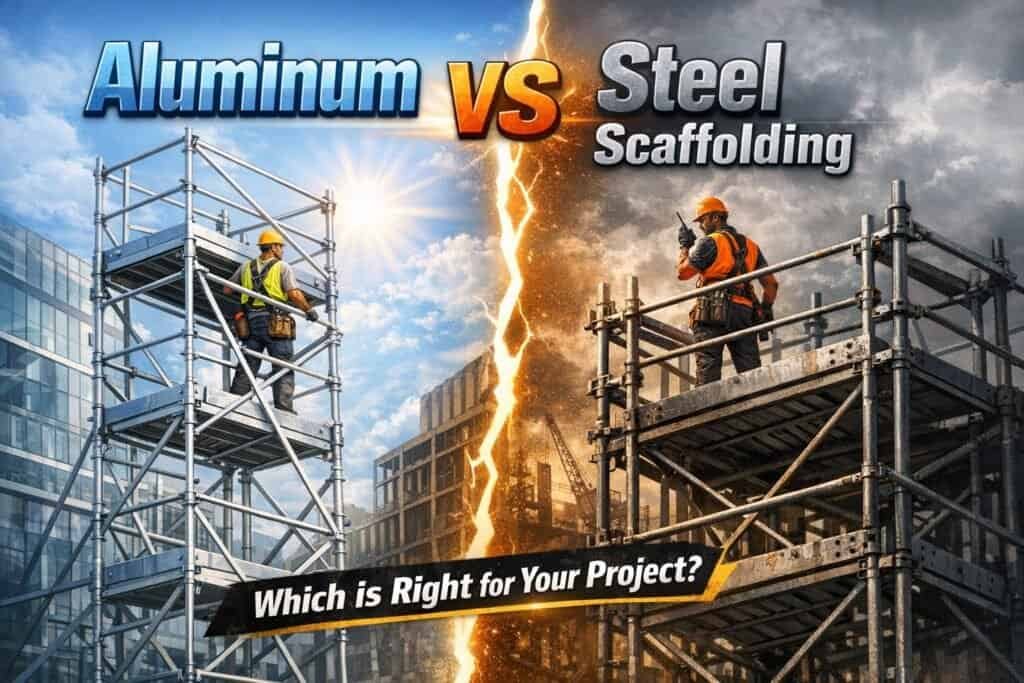
في أعمال البناء، تُعدّ السقالات ضرورة أساسية، ويُعتبر الألمنيوم والفولاذ من أكثر المواد استخدامًا. ولكلٍّ من هذه المواد مزاياها وعيوبها الخاصة، مما يجعلها مناسبة لمختلف التطبيقات.
تحاول هذه المقالة مقارنة السقالات الفولاذية والألمنيوم، مُبرزةً أوجه الاختلاف والتشابه بينهما، ومُقدمةً وصفًا للمزايا الفريدة لكل منهما. هدفنا مساعدتكم على اتخاذ القرار الأمثل الذي يُناسب احتياجات مشروعكم.
1. التكلفة: أيهما أقل تكلفة؟
تُعد التكلفة أحد أهم العوامل المساهمة في اتخاذ القرار بشأن استخدام السقالات المصنوعة من الألومنيوم أو الفولاذ.
- سقالات الألومنيوم: بشكل عام، تكون تكلفة السقالات المصنوعة من الألومنيوم أغلى في المراحل الأولية مقارنة بالفولاذ بسبب ارتفاع تكلفة الألومنيوم كمادة خام. ومع ذلك، فهو خفيف الوزن، وبالتالي يمكن توفير تكاليف النقل التي يمكن استخدامها لتوفير القوى العاملة أثناء التركيب والتفكيك. كما أن الألومنيوم غير قابل للتآكل بالنظر إلى حقيقة أنه يمكن صيانته على المدى الطويل بتكلفة أقل.
- سقالات فولاذيةتتميز السقالات الفولاذية بانخفاض تكلفتها نسبيًا على المدى القصير، مما يجعلها خيارًا جذابًا للمشاريع الاقتصادية. مع ذلك، فهي ضخمة الحجم وأقل قابلية للنقل، ما قد يزيد من تكاليف الشحن والعمالة. إضافةً إلى ذلك، يتطلب الفولاذ صيانة دورية لمنع الصدأ والتآكل، خاصةً في الظروف الجوية القاسية، وهو ما يُعد عاملًا مؤثرًا في التكاليف على المدى الطويل.
الفائز: يميل الفولاذ إلى أن يكون أرخص على المدى القصير، لكن الألومنيوم سيكتسب مزايا التكلفة على المدى الطويل، من خلال انخفاض تكاليف النقل وتكاليف العمالة وتكاليف الصيانة.

2. الوزن: أهمية الخفة مقابل المتانة
يُعد وزن نظام السقالات مهمًا أيضًا في تحديد سهولة وسلامة نقله وتجميعه وتفكيكه في الموقع.
- سقالات الألومنيوميتميز الألمنيوم بخفة وزنه، مما يسهل نقله وتركيبه. وهذا يُعدّ ميزةً كبيرةً في حالة السقالات التي تتطلب تغييرًا أو نقلًا متكررًا، أو عندما يكون موقع البناء غير قابل للوصول. كما أن وزن الألمنيوم الخفيف يجعله أسهل في التخزين، ويقلل من الحاجة إلى العمالة اللازمة لتركيبه وإزالته، مما يُحسّن الإنتاجية في مواقع العمل.
- سقالات فولاذيةيزن الفولاذ أكثر من الألومنيوم، مما يعني أن نقله وتركيبه يتطلبان وقتًا وجهدًا أكبر. ورغم أن هذا يجعل السقالات الفولاذية شديدة المتانة، إلا أن وزنها قد يُشكل عائقًا عند الحاجة إلى نقلها أو إجراء تعديلات متكررة. كما أن ثقل الفولاذ قد يزيد من تكاليف النقل.
الفائز: الألومنيوم، لأنه خفيف الوزن مما يسهل تجميعه ونقله وتحريكه مقارنة بالفولاذ.
3. القوة: أيهما يتحمل حملاً أكبر؟
فيما يتعلق بالقوة، يجب أن تتمتع السقالات بالقدرة على تحمل وزن العمال والمواد والمعدات وأن تكون آمنة.
- سقالات الألومنيومالسقالات المصنوعة من الألومنيوم أخف وزنًا، لكنها في الوقت نفسه شديدة المتانة، وقادرة على تحمل أحمال ثقيلة. مع ذلك، فهي ليست بنفس فعالية الفولاذ في تحمل الأحمال، ولذلك قد لا تكون مناسبة لبعض المشاريع التي تتطلب قوة فائقة. تُعد سقالات الألومنيوم الخيار الأمثل لأعمال البناء العامة، والصيانة، والمشاريع التي يُعد فيها الوزن عاملًا حاسمًا.
- سقالات فولاذيةتتميز السقالات الفولاذية بقوة عالية، ولذلك يمكن استخدامها في المشاريع الضخمة التي تتطلب تحمل أحمال ثقيلة، مثل المواقع الصناعية والجسور والمباني الشاهقة. وتستطيع السقالات الفولاذية تحمل أوزان أثقل بكثير مقارنةً بالسقالات المصنوعة من الألومنيوم، مما يجعلها الخيار الأمثل للمشاريع التي تتضمن معدات ثقيلة أو كميات كبيرة من المواد.
الفائز: الفولاذ، لأنه أقوى، ولديه قدرة تحمل أعلى للأحمال عند التعامل مع الاستخدامات الثقيلة.
4. التطبيقات: أين تكون كل مادة أكثر فعالية؟
توجد مواد سقالات متنوعة أكثر ملاءمة لمشروع بناء معين.
- سقالات الألومنيومتُستخدم السقالات المصنوعة من الألومنيوم في أعمال البناء الأقل تطلبًا، وأعمال الصيانة، بالإضافة إلى المشاريع الداخلية. وتُستخدم بشكل أساسي في مشاريع الطلاء والديكور وتركيب النوافذ والتجهيزات. تتميز هذه السقالات بخفة وزنها، مما يجعلها مناسبة للعمليات التي تتطلب سهولة الحركة وسرعة البناء والنقل. كما أنها الخيار الأمثل عند العمل في مشاريع خارجية حيث تُعد مقاومة التآكل أمرًا بالغ الأهمية، كما هو الحال في المناطق الساحلية أو البيئات ذات الرطوبة العالية.
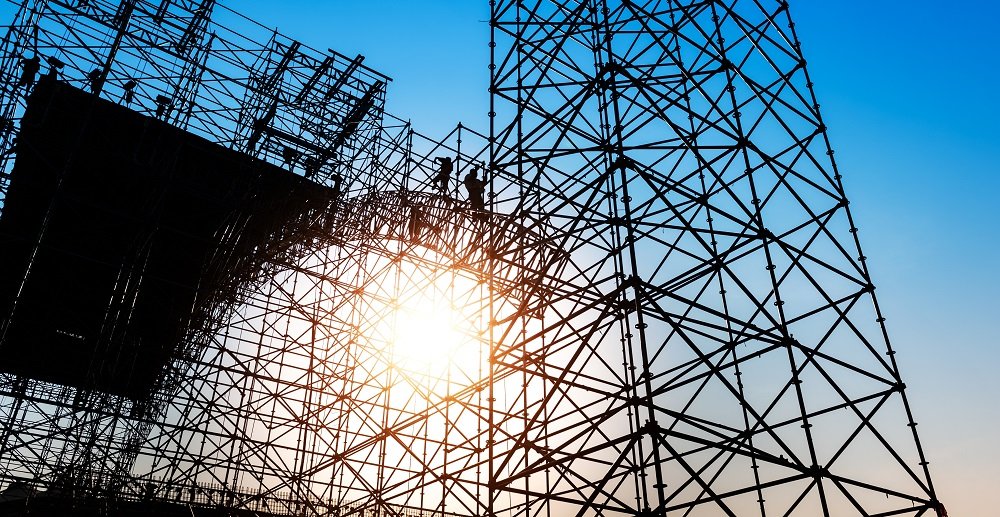
- سقالات فولاذيةتُعدّ السقالات الفولاذية الخيار الأمثل عندما تكون الثبات والمتانة من أهمّ متطلبات الاستخدام. وهي تُستخدم على نطاق واسع في تشييد المباني الشاهقة، والبنى التحتية، والمصانع، وبناء السفن. وتعتمد المشاريع طويلة الأجل أو السقالات الضخمة بشكل أكبر على السقالات الفولاذية، حيث لا يُمثّل الوزن الزائد عائقًا كبيرًا، ومن الضروري أن تتمتّع السقالة بقدرة تحمل عالية.
الفائز: يمكن استخدام الألومنيوم في الأغراض الخفيفة، بينما يجب استخدام الفولاذ في العمليات الثقيلة التي تتطلب درجة عالية من القوة.
مقارنة رئيسية بين السقالات المصنوعة من الألومنيوم والسقالات المصنوعة من الفولاذ
ميزة | سقالات الألومنيوم | سقالات فولاذية |
يكلف | عادة ما تكون أكثر تكلفة في البداية، ولكنها فعالة من حيث التكلفة على المدى الطويل | تكلفة أولية أقل، وتكاليف صيانة طويلة الأجل أعلى |
وزن | خفيف الوزن، سهل النقل والتركيب | أثقل وزناً، ويتطلب المزيد من العمالة وتكاليف نقل أعلى |
قوة | قدرة تحمل أقل | قوة فائقة، يمكنها تحمل أحمال أثقل |
التطبيقات | مثالي للمشاريع الخفيفة قصيرة الأجل وأعمال الصيانة | الأنسب للمشاريع الشاقة وطويلة الأمد |
الخلاصة: أيهما يجب أن تختار؟
يمكننا القول إن مزايا كل من السقالات المصنوعة من الألومنيوم والسقالات المصنوعة من الفولاذ متساوية، على الرغم من أن القرار النهائي سيُتخذ بالرجوع إلى احتياجات مشروعك المحدد:
اختر الألومنيوم لخفة وزنه وسهولة نقله ومقاومته للتآكل، سواء في أعمال البناء العامة أو في صيانة الموقع. إنه الخيار الأمثل في أي مشروع تتطلب فيه السرعة وسهولة النقل أهمية بالغة.
اختر الفولاذ في حالة الحاجة إلى قوة عالية وقدرة تحمل عالية في الإنشاءات واسعة النطاق مثل المباني الشاهقة أو الإنشاءات الصناعية أو الجسور.
وأخيرًا، يجب الموازنة بين السعر والوزن والمتانة وظروف الاستخدام. بعد مراعاة هذه العوامل، يمكنك اتخاذ قرار بشأن مادة السقالات الأنسب لمشروعك والتي ستكون آمنة وفعالة في الموقع.
الأسئلة الشائعة: السقالات المصنوعة من الألومنيوم مقابل السقالات المصنوعة من الفولاذ
س1: أي نوع من السقالات أفضل بين الألومنيوم والصلب في المشاريع قصيرة الأجل؟
إن السقالات المصنوعة من الألومنيوم هي الأنسب في العمليات قصيرة الأجل القائمة على البناء لأنها خفيفة الوزن ويمكن نقلها وتركيبها بسهولة في غضون فترة زمنية قصيرة.
س2: هل تكلفة السقالات المصنوعة من الفولاذ أعلى من تكلفة السقالات المصنوعة من الألومنيوم؟
نعم، ستكون تكلفة السقالات المصنوعة من الألومنيوم أعلى بشكل عام في البداية، لكنها ستوفر تكاليف النقل والتركيب والصيانة على المدى الطويل.
س3: هل يمكن للسقالات الفولاذية أن تتحمل أحمالاً أثقل من السقالات المصنوعة من الألومنيوم؟
نعم، يمكن للسقالات الفولاذية أن تتحمل وزنًا أكبر من الألومنيوم، وهذا ما يجعلها الأنسب في المواقع الصناعية أو المباني الشاهقة أو المشاريع التي تتطلب استقرارًا وقوة كبيرين.
س4: هل يمكن استخدام الألومنيوم في بناء السقالات المستخدمة في الهواء الطلق؟
نعم، إن السقالات المصنوعة من الألومنيوم مقاومة للتآكل إلى حد كبير، لذا فهي الخيار الأفضل الذي يجب مراعاته عند استخدامها في الأعمال الخارجية، وخاصة في المناطق الساحلية أو حتى في المناطق الرطبة.
س5: هل يمكن بناء هيكل شاهق باستخدام سقالات من الألومنيوم؟
تتميز السقالات المصنوعة من الألومنيوم بقوتها، ولكن عادةً ما يتم استخدام السقالات الفولاذية في بناء المباني الشاهقة نظرًا لقدرتها الكبيرة على تحمل الأوزان وسلامتها الهيكلية.
س6: ما الذي يجب أن أعمل به في مشروعي، السقالات المصنوعة من الألومنيوم أم الفولاذ؟
بالنسبة لمشروعك، الذي يتطلب قوة عالية وقدرة تحمل كبيرة، فإن السقالات الفولاذية هي الخيار الأمثل. أما في المشاريع ذات الأحمال الخفيفة، والتي يسهل نقلها وتركيبها، فإن الهياكل المصنوعة من الألومنيوم ستكون أكثر ملاءمة.



 AR
AR  EN
EN  SV
SV  IT
IT  DE
DE  FR
FR  ES
ES  FI
FI  ET
ET  RU
RU 