Introduzione
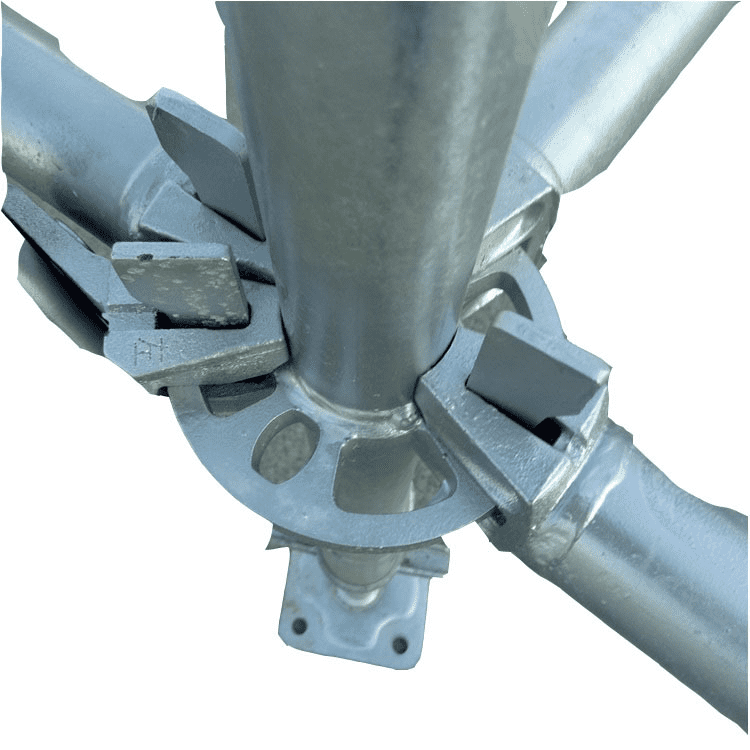
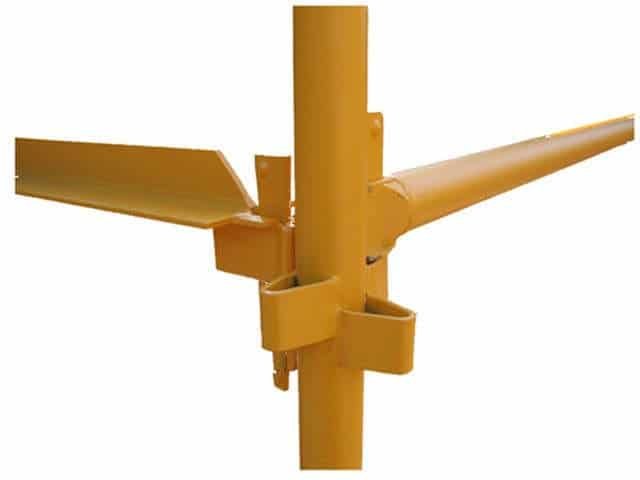
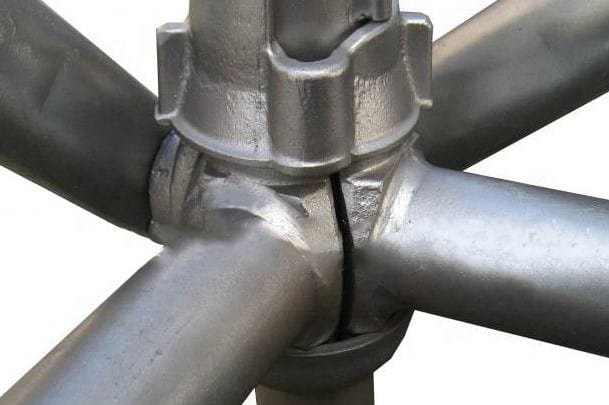
Quando si costruisce, bisogna scegliere tra ponteggi modulari e ponteggi a telaio. Entrambi presentano vantaggi e svantaggi. I ponteggi modulari sono composti da elementi che si possono facilmente combinare e modificare per adattarsi a diversi lavori. I ponteggi a telaio, invece, sono costruiti con robuste strutture in acciaio o alluminio per garantire la stabilità. Comprendere le differenze aiuta a scegliere la soluzione più adatta.
Si considera quanto siano facili da montare, come si possano utilizzare per diversi lavori, come si spostano e si immagazzinano, e quanto costano. I ponteggi modulari sono facili da modificare e spostare, ma i ponteggi a telaio sono resistenti.
La scelta dipende dalle tue esigenze lavorative, dal budget a disposizione e dalla durata del progetto. Quindi, valuta attentamente tutti questi aspetti prima di decidere quale ponteggio utilizzare.
Differenza 1: Design e struttura
Differenza 2: Montaggio e smontaggio
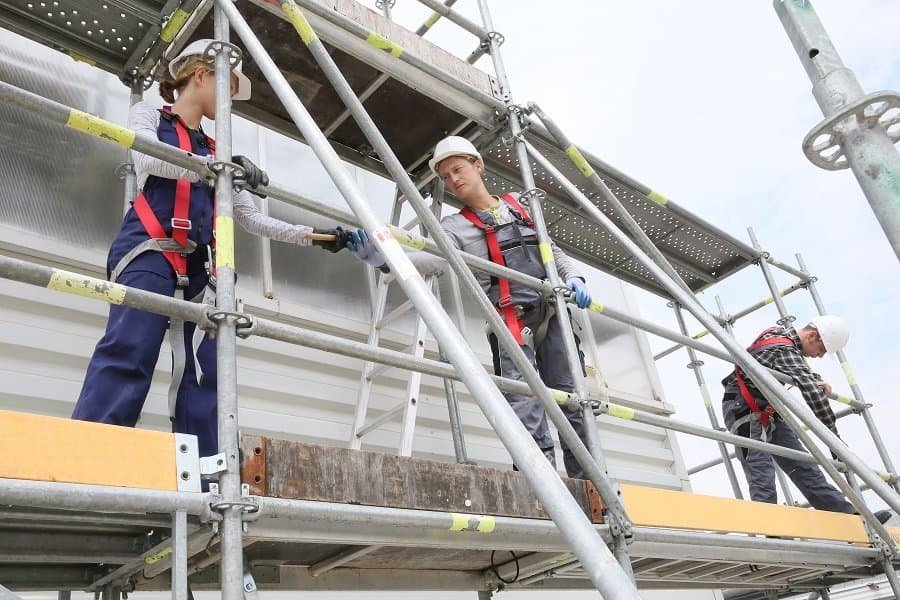
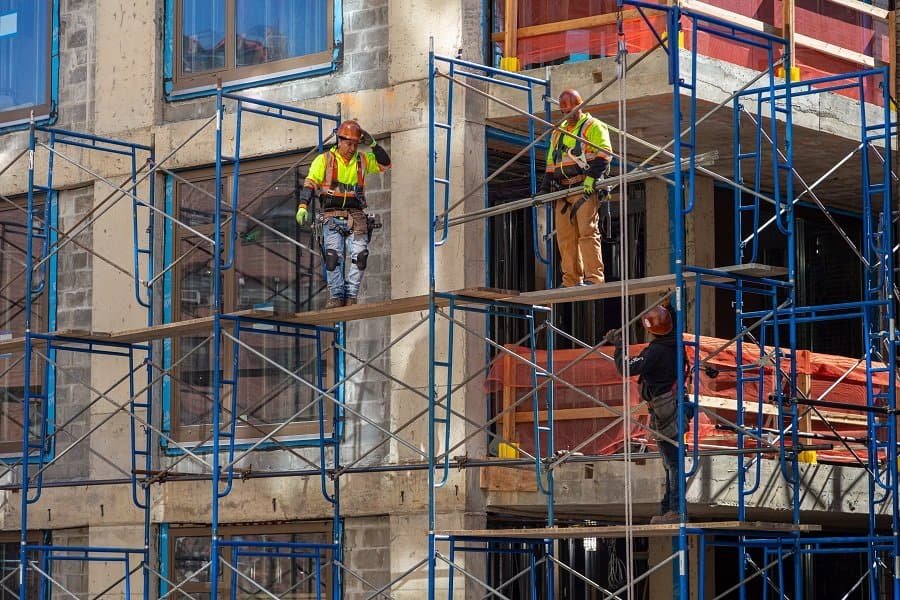
Il montaggio e lo smontaggio di ponteggi modulari e a telaio sono diversi e incidono sui lavori edili.
Le impalcature modulari sono come risolvere un grande puzzle. I loro componenti si incastrano facilmente, quindi il montaggio è rapido. Gli operai collegano i pezzi con blocchi o perni, un'operazione che richiede poco tempo. Questa rapidità di montaggio permette agli operai di iniziare a lavorare prima.
I ponteggi a telaio richiedono un approccio più tradizionale. Gli operai prima costruiscono i telai metallici e poi aggiungono le traverse di supporto. Questo richiede più tempo e impegno rispetto ai ponteggi modulari.
I ponteggi modulari sono anche facili da smontare. Gli operai possono rimuovere i pezzi, impilarli e immagazzinarli o spostarli facilmente. Questo fa risparmiare tempo e fatica, aiutando gli operai a passare più velocemente al lavoro successivo.
Lo smontaggio dei ponteggi a telaio è più lento. Gli operai devono smontare ogni pezzo separatamente, il che richiede più tempo e fatica.
Nel complesso, montare e smontare un ponteggio modulare è più rapido e semplice rispetto a un ponteggio a telaio. Conoscere queste differenze aiuta gli operai edili a pianificare e svolgere il lavoro sui ponteggi in modo efficiente.
Differenza 2: Montaggio e smontaggio
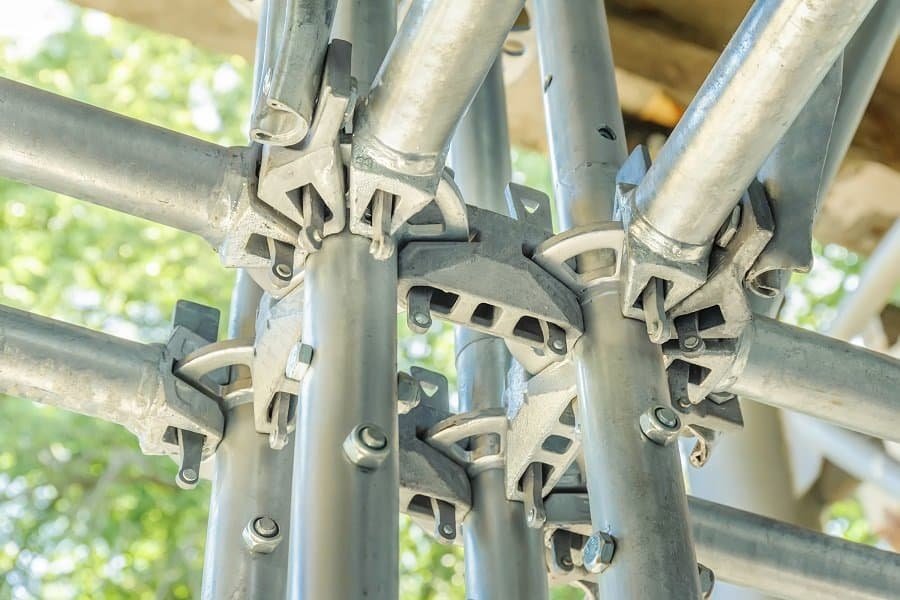
Il montaggio e lo smontaggio di ponteggi modulari e a telaio sono diversi e incidono sui lavori edili.
Le impalcature modulari sono come risolvere un grande puzzle. I loro componenti si incastrano facilmente, quindi il montaggio è rapido. Gli operai collegano i pezzi con blocchi o perni, un'operazione che richiede poco tempo. Questa rapidità di montaggio permette agli operai di iniziare a lavorare prima.
I ponteggi a telaio richiedono un approccio più tradizionale. Gli operai prima costruiscono i telai metallici e poi aggiungono le traverse di supporto. Questo richiede più tempo e impegno rispetto ai ponteggi modulari.
I ponteggi modulari sono anche facili da smontare. Gli operai possono rimuovere i pezzi, impilarli e immagazzinarli o spostarli facilmente. Questo fa risparmiare tempo e fatica, aiutando gli operai a passare più velocemente al lavoro successivo.
Lo smontaggio dei ponteggi a telaio è più lento. Gli operai devono smontare ogni pezzo separatamente, il che richiede più tempo e fatica.
Nel complesso, montare e smontare un ponteggio modulare è più rapido e semplice rispetto a un ponteggio a telaio. Conoscere queste differenze aiuta gli operai edili a pianificare e svolgere il lavoro sui ponteggi in modo efficiente.
Differenza 3: Versatilità
Le impalcature modulari e a telaio offrono diversi livelli di versatilità, che incidono sulla loro capacità di adattarsi a vari contesti e compiti di costruzione.
Le impalcature modulari sono come una cassetta degli attrezzi con componenti facilmente intercambiabili. I loro elementi possono variare in altezza e forma per adattarsi a diverse strutture. Gli operai possono aggiungere o rimuovere sezioni in base alle esigenze del progetto. Questa adattabilità rende le impalcature modulari utili per ogni tipo di progetto, dalle piccole ristrutturazioni ai grandi lavori di costruzione.
D'altro canto, i ponteggi a telaio sono meno flessibili. La loro struttura è fissa, quindi non è altrettanto facile modificarli. Pur essendo sufficientemente robusti per lavori pesanti, potrebbero presentare difficoltà nelle regolazioni in cantiere. Apportare modifiche a un ponteggio a telaio di solito significa aggiungere altri elementi o modificarne la configurazione, il che richiede tempo e fatica.
Differenza 4: Trasporto e stoccaggio
Esistono notevoli differenze tra i ponteggi modulari e quelli a telaio quando si tratta di movimentazione e stoccaggio. Queste differenze influiscono sulla movimentazione dei materiali da costruzione in cantiere.
I ponteggi modulari sono come blocchi impilabili. I componenti si incastrano perfettamente tra loro, facilitando lo spostamento e lo stoccaggio. Gli operatori possono impilare i pezzi su pallet o caricarli su camion, risparmiando spazio e riducendo i viaggi avanti e indietro. Questo metodo di impilamento consente di risparmiare sui costi di trasporto e garantisce che i materiali siano disponibili al momento del bisogno.
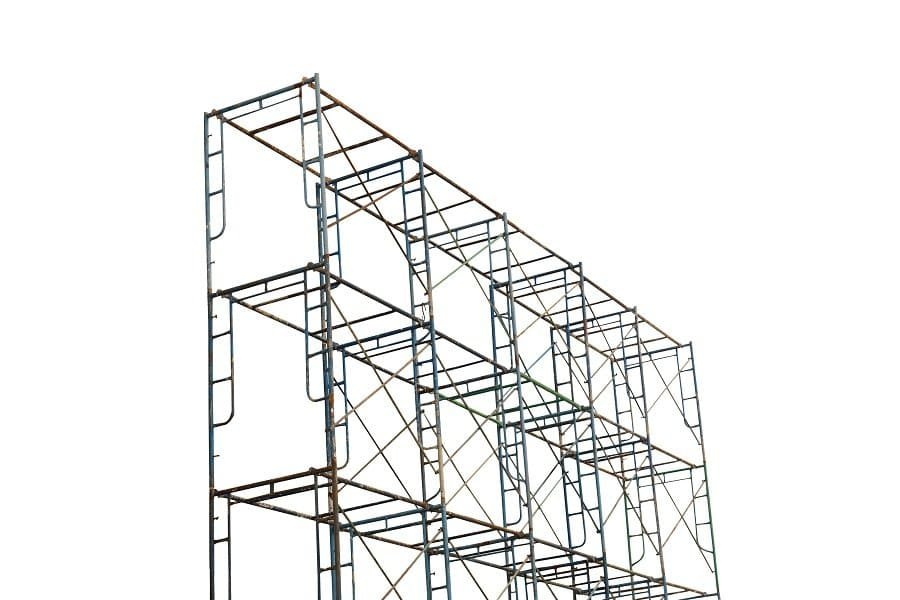
I ponteggi a telaio, d'altra parte, sono più ingombranti e richiedono più spazio per il trasporto e lo stoccaggio. I telai rigidi e i rinforzi ne rendono più difficile il trasporto. Gli operai potrebbero aver bisogno di camion più grandi o di più viaggi per trasportare tutti i componenti in cantiere. Anche lo stoccaggio dei ponteggi a telaio richiede molto spazio, il che può essere complicato in cantieri affollati con spazi limitati.
Differenza 5: Costo

Quando si tratta di scegliere tra ponteggi modulari e ponteggi a telaio, un fattore fondamentale da considerare è il costo. Analizziamo gli aspetti economici di ciascuna opzione per aiutarvi nella scelta.
Le impalcature modulari potrebbero costare di più inizialmente perché sono flessibili e facili da usare. Ma a lungo termine, possono far risparmiare sui costi di manodopera e velocizzare il lavoro. Gli operai impiegano meno tempo sul cantiere perché sono facili da montare e smontare. Inoltre, possono essere utilizzate per molti progetti diversi, quindi non è necessario acquistare diverse tipologie di impalcature.
D'altro canto, i ponteggi a telaio sono generalmente più economici all'acquisto iniziale. Tuttavia, potrebbero risultare più costosi nel tempo perché richiedono più tempo per il montaggio e lo smontaggio. Gli operai hanno bisogno di più tempo perché l'installazione è più complessa, il che si traduce in maggiori costi di manodopera. Inoltre, potrebbero essere adatti solo a determinati progetti, quindi potrebbe essere necessario acquistare anche altri tipi di ponteggi.
Conclusione
La scelta tra ponteggi modulari e ponteggi a telaio dipende dalle esigenze e dal budget del progetto. I ponteggi modulari sono come costruire con i mattoncini e si adattano a molti lavori. Permettono di risparmiare tempo e denaro perché sono facili da usare e da modificare.
Le impalcature a telaio sono più economiche all'inizio, ma potrebbero costare di più in seguito. Sono più robuste, ma richiedono più tempo per essere montate e utilizzate. Considera quanto dovrai spendere per la manodopera e quanto velocemente devi completare il lavoro. Conoscere queste differenze aiuta i lavoratori a scegliere l'opzione migliore per progetti di costruzione sicuri, efficienti ed economici.
impalcature che potrebbero piacerti