


Введение
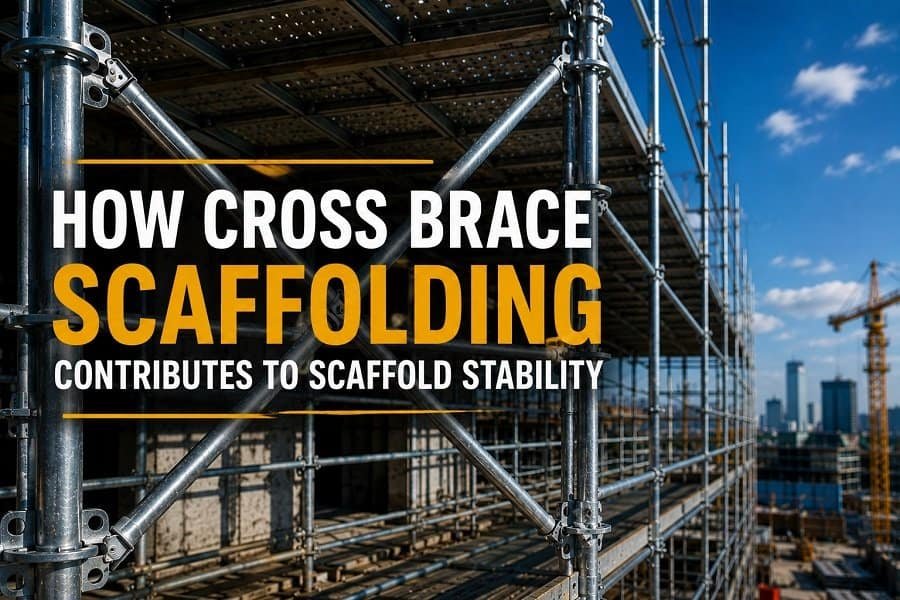
Scaffold stability is one of the most important factors in construction safety. Whether a scaffold is used for building maintenance, exterior finishing, painting, masonry, or general access work, the structure must remain firm, balanced, and secure during use. One of the key components that helps achieve this stability is cross brace scaffolding.
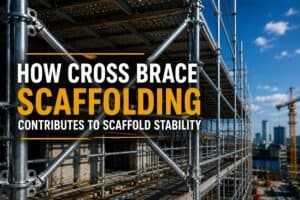
Cross braces are installed diagonally between scaffold frames, usually forming an “X” shape. This simple but effective design helps prevent swaying, twisting, and sideways movement. Without proper bracing, a scaffold may become weak, unstable, or unsafe for workers and materials. Understanding how cross braces work can help contractors build safer and more reliable scaffolding structures.
What Is Cross Brace Scaffolding?
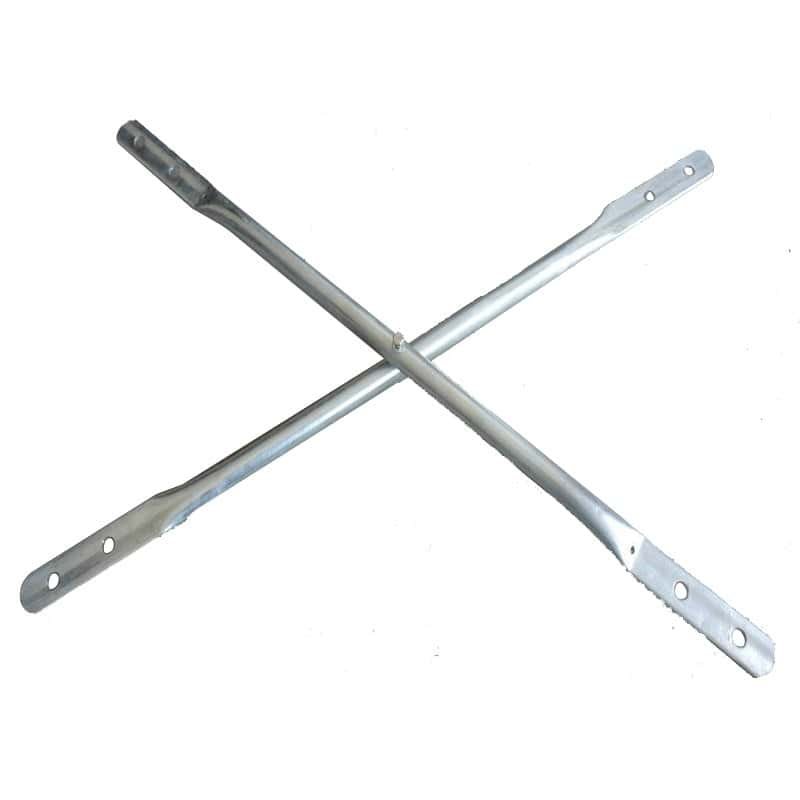
Cross brace scaffolding refers to the use of diagonal braces installed between scaffold frames to support and stabilize the structure. These braces are usually arranged in pairs, crossing each other to create an X-shaped pattern.
Cross braces are commonly used in frame scaffolding systems. They connect the vertical scaffold frames and help keep them in the correct position. By locking the frames together, cross braces prevent the scaffold from moving out of alignment.
Most scaffold cross braces are made from strong metal materials such as galvanized steel or aluminum. Galvanized steel braces are popular because they offer high strength and good corrosion resistance, making them suitable for outdoor construction environments.
How Does Cross Bracing Work?
Cross bracing works by connecting different points of the scaffold frame diagonally. This diagonal connection creates a triangular support effect, which is much stronger than a simple rectangular frame without bracing.
When workers, tools, and materials are placed on the scaffold, the structure must carry both vertical and horizontal forces. Vertical forces come from weight, while horizontal forces may come from wind, vibration, movement, or uneven loading. Cross braces help resist these lateral forces and keep the scaffold upright.
The X-shaped structure also helps prevent the scaffold from twisting or bending. When one side of the scaffold experiences pressure, the cross braces transfer part of that force to other areas of the frame. This makes the whole scaffold structure more balanced and stable.
Key Benefits of Cross Brace Scaffolding
1. Improves Lateral Stability
One of the main purposes of cross brace scaffolding is to improve lateral stability. Lateral movement means side-to-side movement, which can be dangerous on a construction site.
Wind, worker movement, equipment vibration, and uneven ground conditions can all create sideways forces. If the scaffold is not properly braced, it may sway or shift. Cross braces help resist this movement and keep the scaffold steady during use.
This is especially important for taller scaffold structures, where even small movements at the base can become larger movements at higher levels.
2. Distributes Loads Evenly
Cross braces also help distribute loads more evenly across the scaffold system. During construction work, scaffolds often carry workers, tools, equipment, and building materials at the same time.
Without proper bracing, too much pressure may be placed on certain scaffold frames or connection points. This can increase the risk of deformation or failure. Cross braces spread the load across multiple parts of the scaffold, reducing stress on individual components.
Better load distribution helps the scaffold remain balanced and improves its overall performance.
3. Increases Rigidity and Strength
A scaffold must be rigid enough to maintain its shape under working conditions. Cross braces add stiffness to the scaffold structure and help prevent bending, twisting, or deformation.
The diagonal position of the braces strengthens the frame and helps keep the scaffold square and aligned. This rigidity is important because a loose or flexible scaffold can feel unstable and unsafe for workers.
A rigid scaffold structure also makes installation of platforms, guardrails, and other accessories easier and safer.
4. Enhances Worker Safety
Safety is the most important reason for using scaffold cross braces. A stable scaffold provides workers with a safer platform for construction, repair, or maintenance tasks.
When cross braces are installed correctly, they reduce the risk of shaking, shifting, or collapse. This helps prevent accidents caused by unstable working platforms. Proper bracing also gives workers more confidence when working at height.
However, cross braces must always be used together with other safety components, such as base plates, guardrails, platforms, tie-ins, and secure locking devices.
Common Types of Bracing in Scaffolding
There are several types of bracing used in scaffolding systems. Each type has a specific function depending on the scaffold design and site requirements.
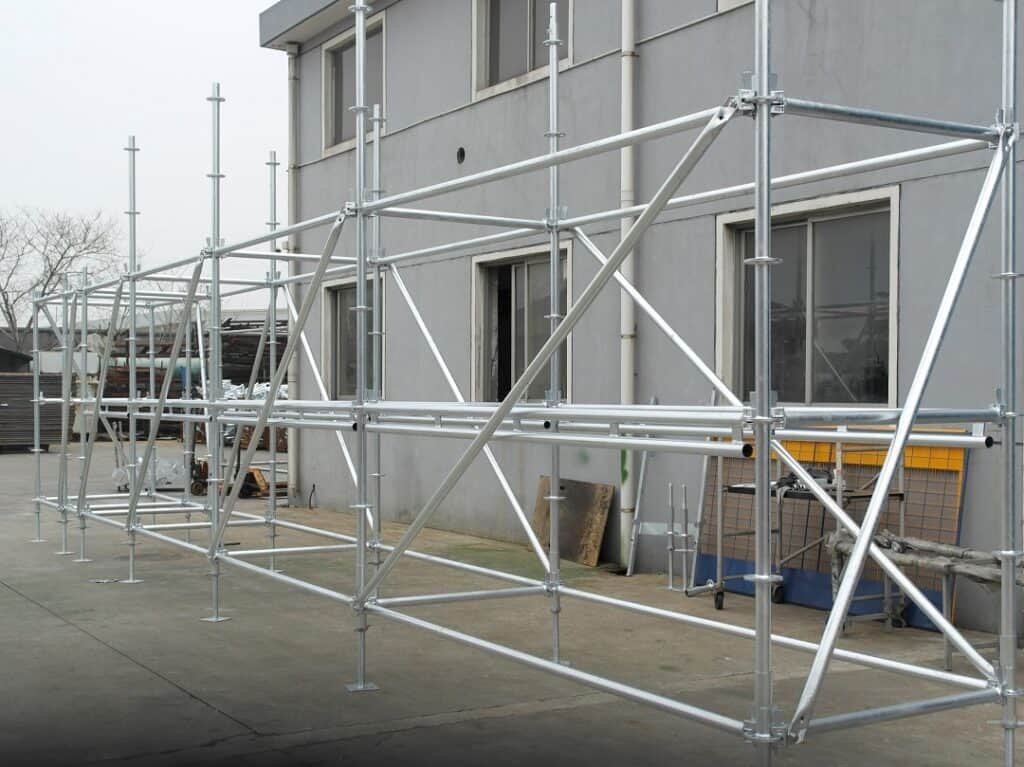
Диагональные распорки are installed at an angle between vertical and horizontal scaffold members. They help resist movement and improve strength.
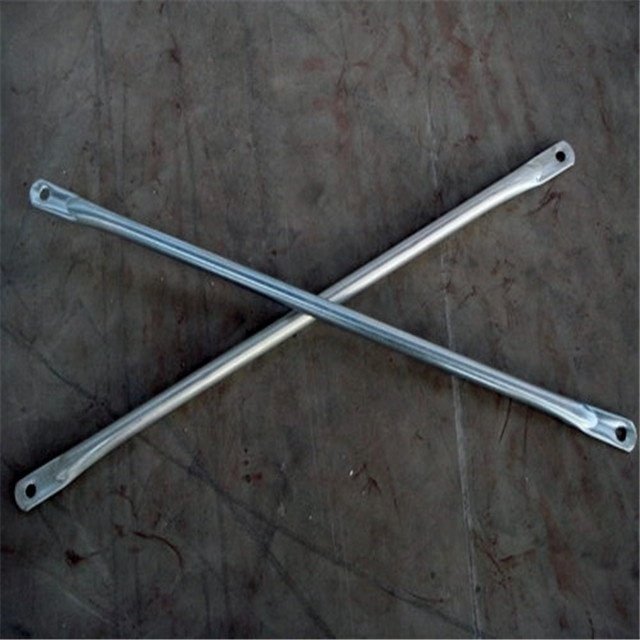
Cross braces are two diagonal braces that cross each other to form an X shape. They are commonly used in frame scaffolding to connect and stabilize scaffold frames.
Horizontal braces connect vertical members at the same level. They help keep the scaffold frame straight and prevent spreading or bending.
Longitudinal braces are installed along the length of the scaffold. They provide support in the longer direction of the structure.
Transverse braces are installed across the width of the scaffold. They help improve stability from side to side.
Zigzag or dog-leg braces are arranged in an alternating diagonal pattern. They are used in certain scaffold systems to provide continuous support.
Different scaffold systems may require different bracing methods, so it is important to follow the scaffold design and project requirements.
How to Install Cross Braces Properly
Correct installation is essential for cross braces to work effectively. Poorly installed braces may not provide enough support and can reduce the safety of the scaffold.
Before installation, workers should review the scaffold design and identify where the cross braces need to be placed. The correct brace size and connection type should be selected according to the scaffold frame.
The braces should then be installed diagonally between the scaffold frames to form a stable X shape. Each end of the brace must be securely connected using pins, clamps, fasteners, or locking devices.
After installation, workers should check that all braces are tight, properly aligned, and firmly connected. The scaffold should not be used until the full structure has been inspected.
Safety Tips for Using Scaffold Cross Braces
To maintain scaffold safety, cross braces should be checked regularly throughout the project.
Always use the correct brace size for the scaffold system. A brace that is too short, too long, or incompatible with the frame may not provide proper support.
Inspect braces for bending, cracks, rust, damaged holes, or loose connections. Any damaged or deformed brace should be replaced immediately.
Workers should also make sure that braces are not removed during use. Sometimes braces may seem to block access, but removing them without proper approval can seriously weaken the scaffold structure.
Installation and inspection should be carried out by trained workers who understand scaffold safety requirements.
How to Choose High-Quality Scaffold Cross Braces
Choosing high-quality scaffold cross braces is important for both safety and durability. The material should be strong enough to support the scaffold system and resist jobsite conditions.
Galvanized steel is a common choice because it provides strength and corrosion resistance. Aluminum braces are also used in some systems because they are lightweight and easy to handle.
When selecting cross braces, consider the brace length, hole spacing, connection type, surface finish, and compatibility with the scaffold frame. The braces should match the scaffold system and meet the required load and safety standards.
Working with a reliable scaffolding supplier or manufacturer can help ensure that the braces are properly designed and manufactured for construction use.
Заключение
Cross brace scaffolding plays a vital role in scaffold stability and safety. By connecting scaffold frames diagonally, cross braces help prevent side-to-side movement, distribute loads evenly, increase rigidity, and reduce the risk of structural failure.
A well-braced scaffold provides a safer and more stable platform for workers, tools, and materials. To achieve the best results, cross braces must be correctly selected, properly installed, and regularly inspected.
For any scaffolding project, using quality braces and following safe installation practices are essential steps toward building a strong, reliable, and secure scaffold structure.


 RU
RU  EN
EN  SV
SV  IT
IT  AR
AR  DE
DE  FR
FR  ES
ES  FI
FI  ET
ET 