
شبكة الحطام البيضاء
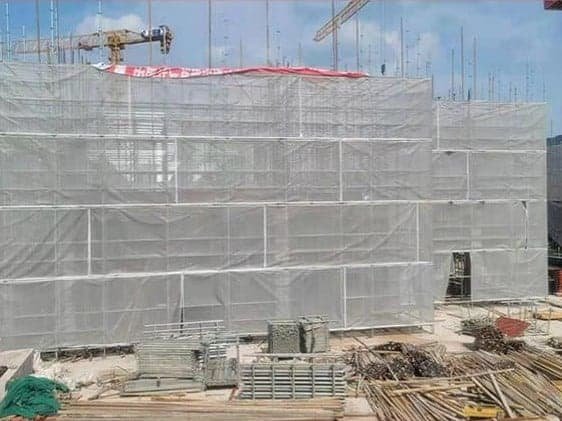
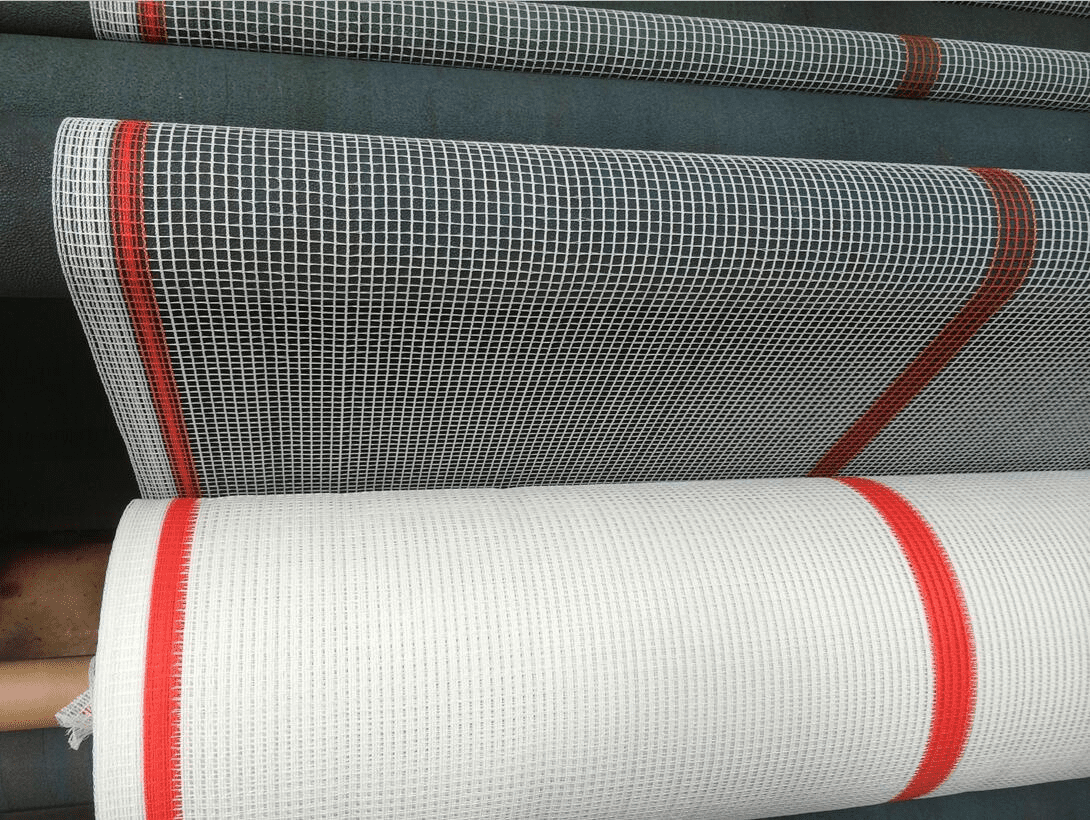
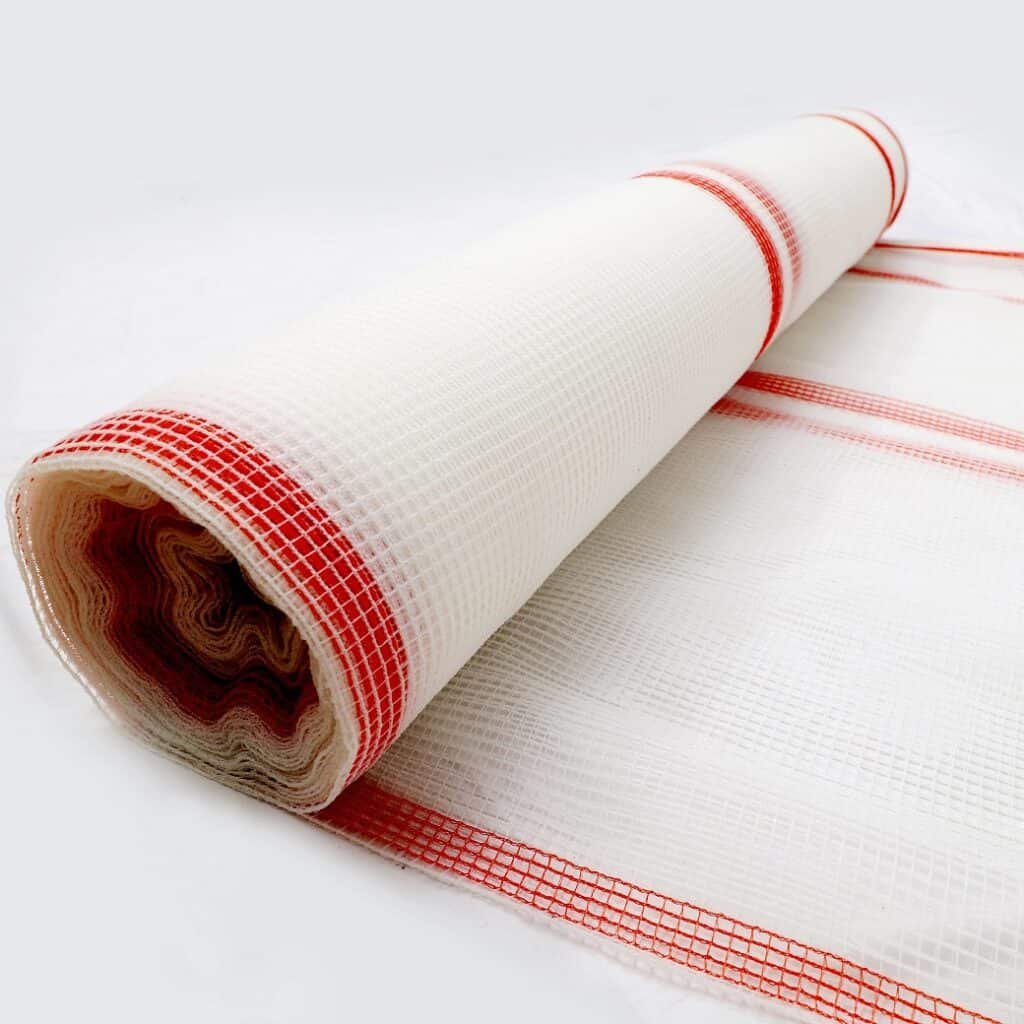
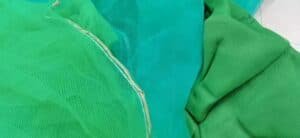
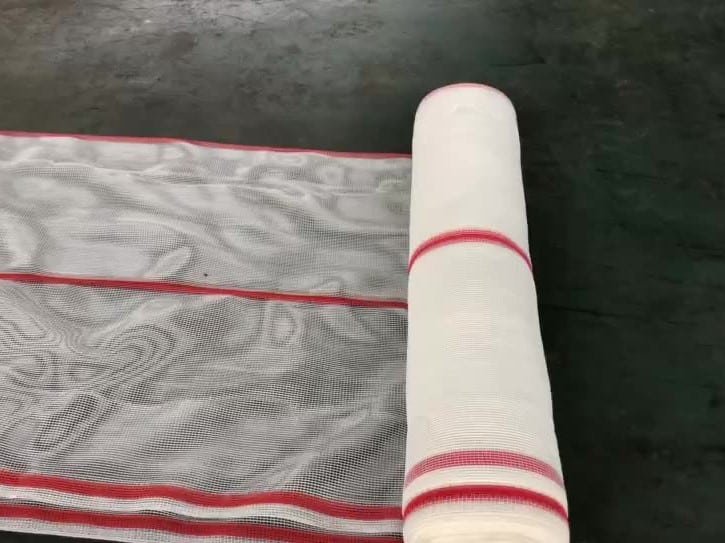
شبكة الحماية البيضاء من الحطام عبارة عن شبكة أمان خفيفة الوزن تُستخدم في السقالات أو واجهات المباني لاحتواء الغبار المتساقط والحطام الصغير، مع السماح بمرور الهواء وضوء النهار.
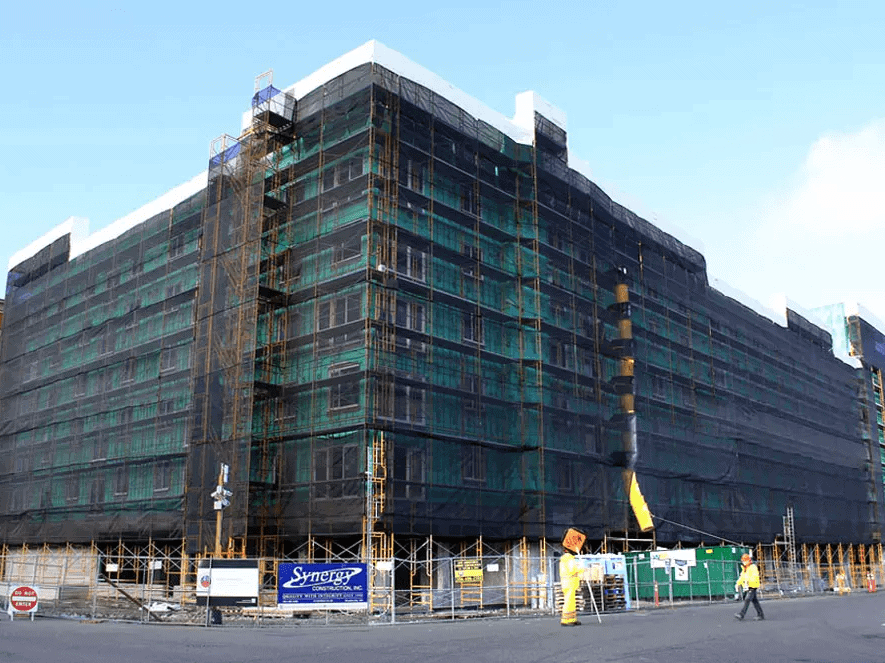
يُستخدم هذا النوع من الشبكات بشكل شائع في مواقع البناء والتجديد للمساعدة في حماية العمال والمشاة والممتلكات المجاورة، كما أنه يوفر مظهرًا أنظف وأكثر احترافية للموقع مقارنة بالشبكات الداكنة.
مزيد من التفاصيل حول شبكات إزالة الحطام الأبيض

مادة | مادة البولي إيثيلين البكر 100% |
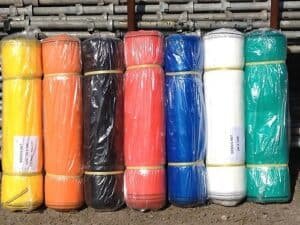
لون | مخصص |
معدل الظل | 30%-90% |
مقاس | 5'8″x 150′ .8'6″x 150″ أو حسب الحاجة |
وزن الجرام | 150 جرام - 300 جرام/م² |

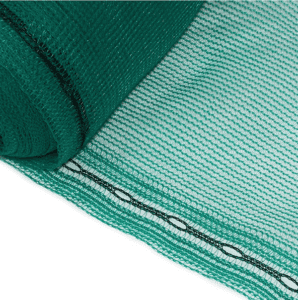
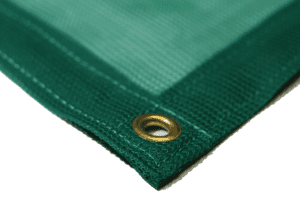
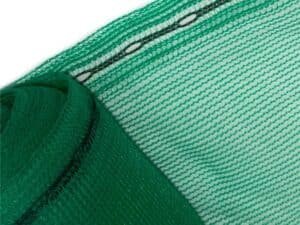
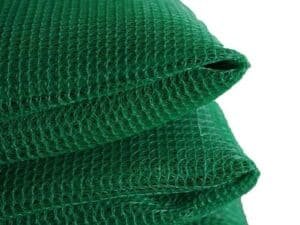



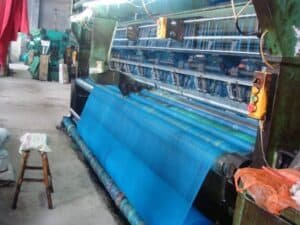
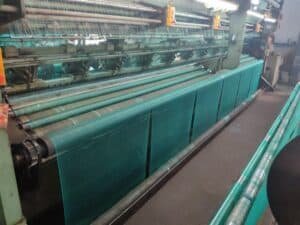
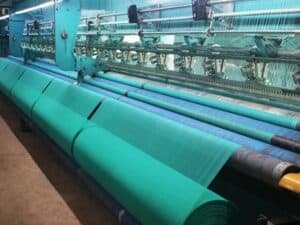
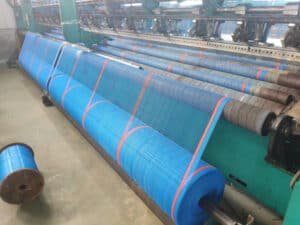
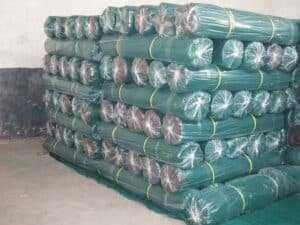
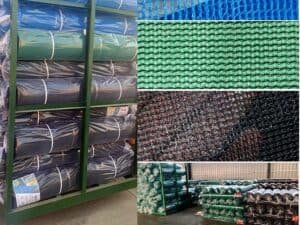
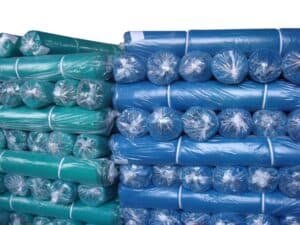
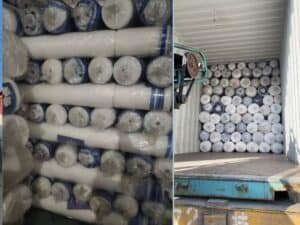
لماذا تختار شبكة الحماية من الحطام الأبيض من APAC
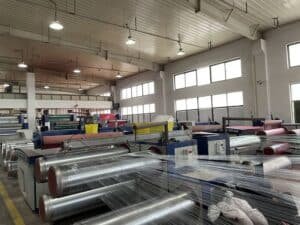
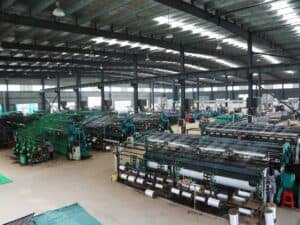
يتم توفير شبكة الحطام البيضاء من APAC كحل احتواء جاهز لمواقع العمل - مصممة لأداء يمكن التنبؤ به، وتركيب أسهل، وتسليم سلس للمقاولين والموزعين الذين يديرون مواقع متعددة.
إمداد مستقر للمشاريع متعددة المواقع
عند إدارة مواقع متعددة، تكمن المشكلة الأكبر في عدم الاتساق - اختلاف ملمس الشبكة، واختلاف أطوال اللفائف، واختلاف قوة الحواف. تدعم شركة APAC عمليات الشراء المتكررة من خلال الحفاظ على ثبات المواصفات وتنظيم التغليف، مما يتيح لك توحيد ما تتوقعه فرق العمل في الموقع.
- مواصفات منتج متسقة لدعم عمليات الشراء المتكررة
- توفير مرن للشحنات الكبيرة والتسليمات المرحلية
- تحديد واضح لللفائف لتسهيل استلام المستودعات وتوزيعها في الموقع
مراقبة جودة يمكنك الاعتماد عليها
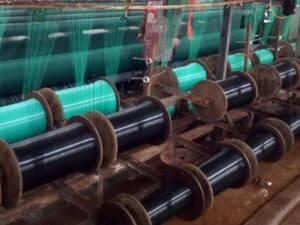
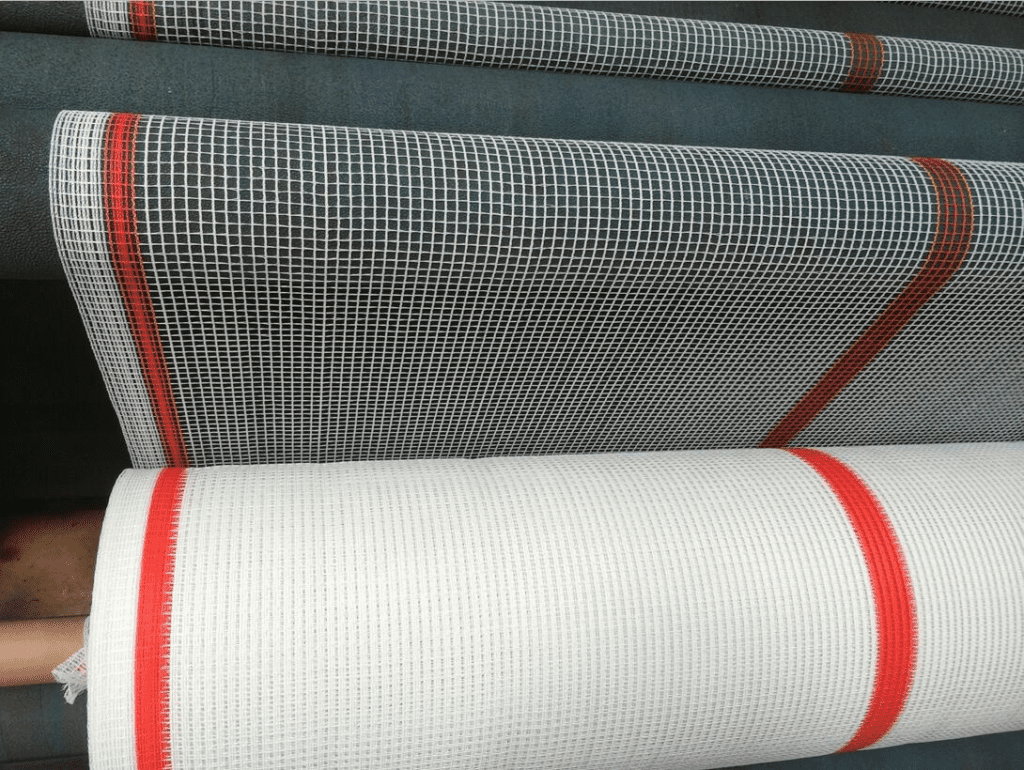
تتعرض شبكات الحماية من الحطام الأبيض للتلف في الموقع عند تمزقها عند نقاط التثبيت، أو اهترائها على طول الحواف، أو تدهورها بفعل التعرض لأشعة الشمس. تركز شركة APAC في مراقبة الجودة على الأجزاء التي تؤثر على الأداء أثناء التركيب الفعلي: ثبات المادة، وتناسق الشبكة، وتعزيز الحواف، لضمان بقاء الشبكة آمنة وفي حالة جيدة مع مرور الوقت.
- مادة مصممة لتحمل الظروف الخارجية: البولي إيثيلين عالي الكثافة مع مثبطات الأشعة فوق البنفسجية يساعد على مقاومة التلف وفقدان القوة في الهواء الطلق
- توازن بين الاحتواء وتدفق الهواء: يسمح الهيكل المحبوك المفتوح بالتهوية مع التحكم في الغبار والحطام الصغير والأشياء المتساقطة
- حواف معززة ومطوية: مصممة لخطوط تثبيت أقوى وربط أكثر أمانًا ونظافة على طول مسارات السقالات
- يتوفر خيار مقاوم للحريق: للمشاريع التي تتطلب تخطيطًا معززًا لسلامة الموقع (مثل قواعد الموقع الأكثر صرامة، والبيئات الحساسة).

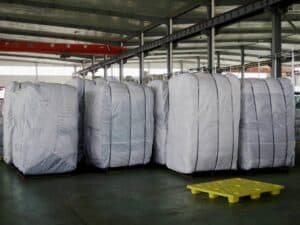
انضباط في التعبئة والتغليف والتسليم الجاهز للتصدير
تقوم شركة APAC بتعبئة شبكات الحطام البيضاء بطريقة تدعم عمليات المناولة في المستودعات والتوزيع في المواقع - لذا فإن ما طلبته هو ما يصلك.
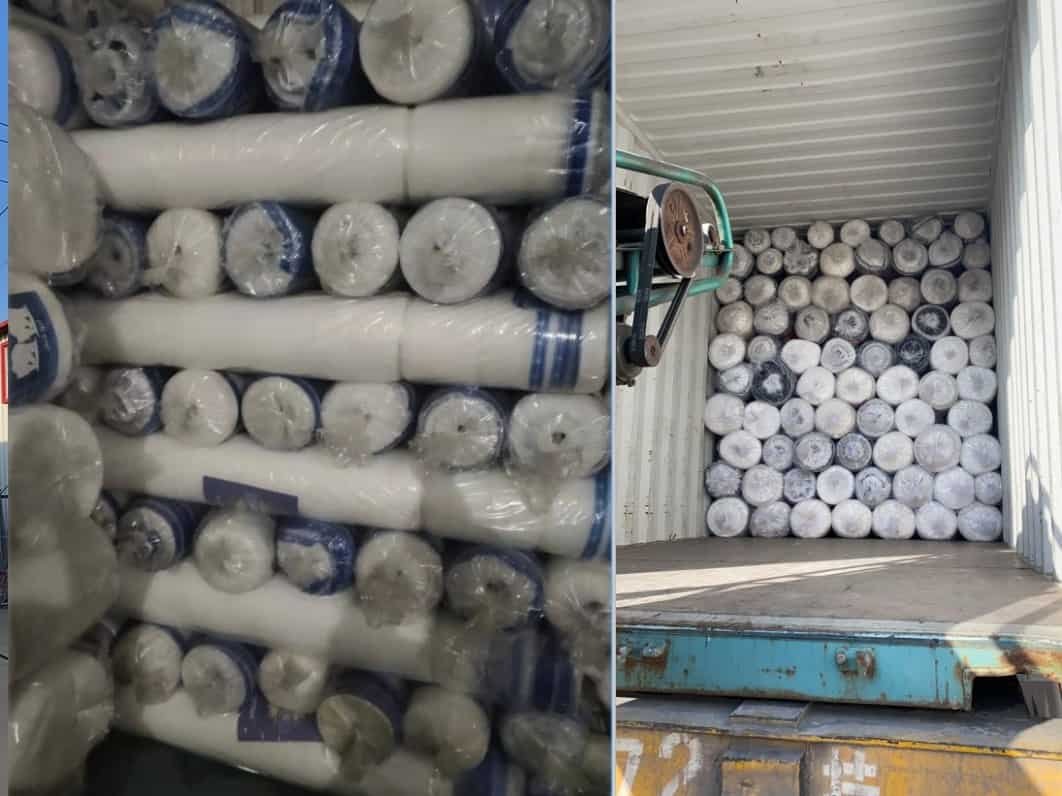
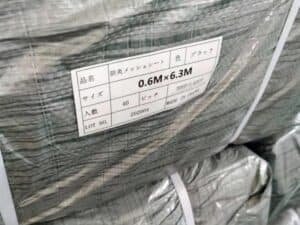
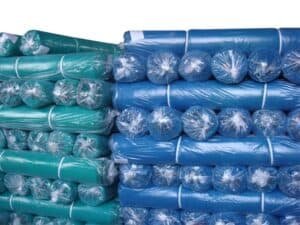
- تغليف محكم في أكياس بلاستيكية شفافة: يحمي اللفائف أثناء المناولة والنقل، ويحافظ على نظافة الشباك أثناء التخزين
- وضع ملصقات تدعم الخدمات اللوجستية: تسهيل عملية المسح الضوئي/التحقق في المستودع وفي الموقع، خاصة عندما تتضمن الطلبات أنواعًا متعددة من الشباك
- وحدات سهلة الاستخدام: يسهل تحميلها وتفريغها ونقلها في مناطق التخزين بالموقع دون تمزيق أو تلوث.
- الدعم خلال عملية التسليم: يساعد التنسيق السريع على تقليل عدم اليقين بشأن أوقات التسليم ومراحل الشحن.
تطبيقات حول شبكات إزالة الحطام الأبيض
تُستخدم الشباك البيضاء المُخصصة للحماية من الحطام في المواقع التي تتطلب احتواء الحطام وإضفاء مظهر أنظف على محيطها دون حجب الضوء أو تدفق الهواء بشكل كبير. تشمل الاستخدامات الشائعة ما يلي:
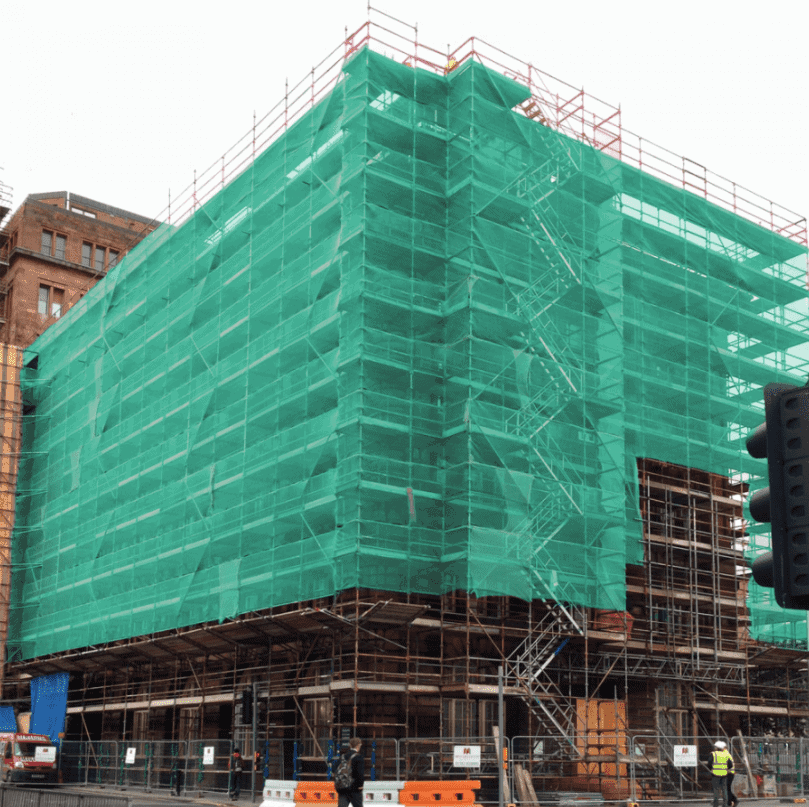
تغليف السقالات في مشاريع بناء وتجديد المباني
أعمال الواجهة (الطلاء، والدهان، والعزل، والتكسية) للسيطرة على الغبار والحطام الصغير
مناطق الهدم والإزالة لأغراض الاحتواء الأساسي ونظافة الموقع
المواقع العامة (مراكز المدن، شوارع التسوق، المدارس، المستشفيات) حيث يهم المظهر
صيانة الجسور والبنية التحتية لحماية المناطق الواقعة أسفلها من المواد المتساقطة الصغيرة
حماية المحيط حول الرافعات ومناطق التحميل والممرات لزيادة الفصل الآمن
شبكة بيضاء للحماية من الحطام | الدليل الشامل للأسئلة الشائعة
1. ما هو استخدام شبكة الحطام البيضاء؟
يُستخدم للمساعدة في تقليل مخاطر سقوط الأشياء، والحفاظ على نظافة الموقع، وحماية العمال والمشاة والممتلكات المجاورة - وخاصة في مشاريع التجديد والواجهات.
2. لماذا نختار شبكة الحطام البيضاء بدلاً من الشبكة الخضراء/الزرقاء؟
غالباً ما يتم اختيار الشباك البيضاء عندما تحتاج المشاريع إلى مظهر أنظف وأكثر حيادية، لا سيما في المواقع التي تواجه الجمهور (مراكز المدن، ومناطق البيع بالتجزئة، والمستشفيات، والمدارس) مع الحفاظ على التحكم في الحطام.
3. هل تمنع الشباك البيضاء جميع أنواع الحطام؟
يُستخدم هذا الجهاز بشكل أساسي للتحكم في الغبار والحطام الخفيف والأشياء الصغيرة المتساقطة. وهو غير مصمم لمنع سقوط الأجسام الثقيلة، إذ تتطلب هذه المخاطر ألواح حماية مناسبة لأصابع القدم., حراس الطوب, مراوح شبكة الأمان، أو الحماية المصممة هندسيًا.
4. هل شبكة جمع الحطام البيضاء مقاومة للماء أو الرياح؟
لا. عادةً ما تكون شبكات الحماية من الحطام قابلة للتهوية للسماح بتدفق الهواء وتقليل تأثير الرياح. يمكنها تقليل تأثير الرياح بشكل طفيف، لكنها ليست حاجزًا محكمًا ضد العوامل الجوية مثل ألواح PVC.
5. هل شبكة إزالة الحطام الأبيض مقاومة للأشعة فوق البنفسجية؟
معظم شبكات الحماية من الحطام المستخدمة في البناء مصنوعة من مواد مثل البولي إيثيلين عالي الكثافة مع مثبطات الأشعة فوق البنفسجية لإبطاء التلف الناتج عن أشعة الشمس وإطالة عمر الخدمة في الهواء الطلق.
6. كيف يتم تركيب شبكة الحماية البيضاء من الحطام على السقالات؟
يتم تثبيته عادةً باستخدام أربطة أو حبال مطاطية أو مشابك عبر الحواف المقواة إلى أعمدة وعوارض السقالات. يجب أن تتبع طريقة التركيب قواعد الموقع ومتطلبات مقاومة الرياح.
7. هل يمكن استخدام شبكة الحطام البيضاء على السقالات العالية؟
نعم، ولكن استخدام المباني الشاهقة يتطلب تخطيطًا مناسبًا لأحمال الرياح، وفترات تثبيت آمنة، وعمليات تفتيش منتظمة - خاصة بعد أحداث الرياح القوية.
8. هل الشباك المصنوعة من الحطام الأبيض مقاومة للحريق؟
قد لا تكون الشباك القياسية مقاومة للحريق. تتوفر خيارات مقاومة للحريق عند اشتراطها بموجب قواعد الموقع أو مواصفات المشروع - تأكد من معيار الحريق المطلوب قبل الطلب.
9. كيف أختار الحجم المناسب للفة وكثافة الشبكة؟
اختر بناءً على ارتفاع/طول السقالة، ومستوى الاحتواء المطلوب (الغبار مقابل الحطام الكبير)، ومتطلبات الموقع المحلية. إذا شاركتنا ارتفاع التغطية وطول السقالة، يمكنك اختيار عرض/طول اللفة الأمثل لتقليل عدد الوصلات وتسريع عملية التركيب.

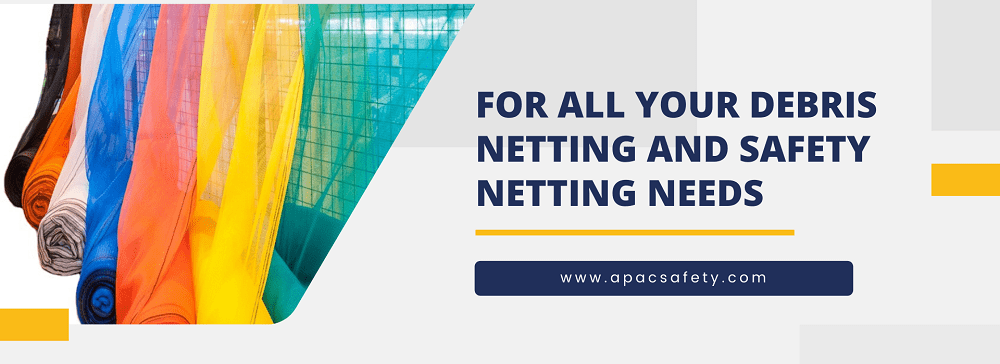
- APAC هي المورد والمصنع الأول والمفضل لمنتجات الشبكات عالية الجودة في الصين
- تزويد عملائنا بمنتجات عالية الجودة وخدمة ودعم موثوقين
- تم اختبار جميع المنتجات واعتمادها لتلبية المعايير
- القدرة على توفير الطلبات بالجملة والكميات الأصغر
- العينات الموجودة في المخزون جاهزة للتسليم
- توصيل سريع وفعال إلى جميع أنحاء العالم
 AR
AR  EN
EN  SV
SV  IT
IT  DE
DE  FR
FR  ES
ES  FI
FI  ET
ET  RU
RU