


Einführung
Im Gerüstbau sind Fußanker unverzichtbare Bauteile, die Stabilität und Sicherheit für die gesamte Gerüstkonstruktion gewährleisten. Diese einfachen, aber entscheidenden Zubehörteile tragen dazu bei, dass Gerüstsysteme korrekt ausgerichtet und waagerecht stehen und die erforderlichen Lasten tragen können. Somit sind sie für die Sicherheit und Effektivität des Systems unerlässlich.
In diesem Blogbeitrag werden wir uns eingehend damit befassen, was ein Basiskragen ist, welche Rolle er im Gerüstbau spielt und wie er dazu beiträgt, dass ein Gerüstsystem während Bau- oder Wartungsarbeiten sowohl sicher als auch effizient ist.
Was ist ein Basishalsband?
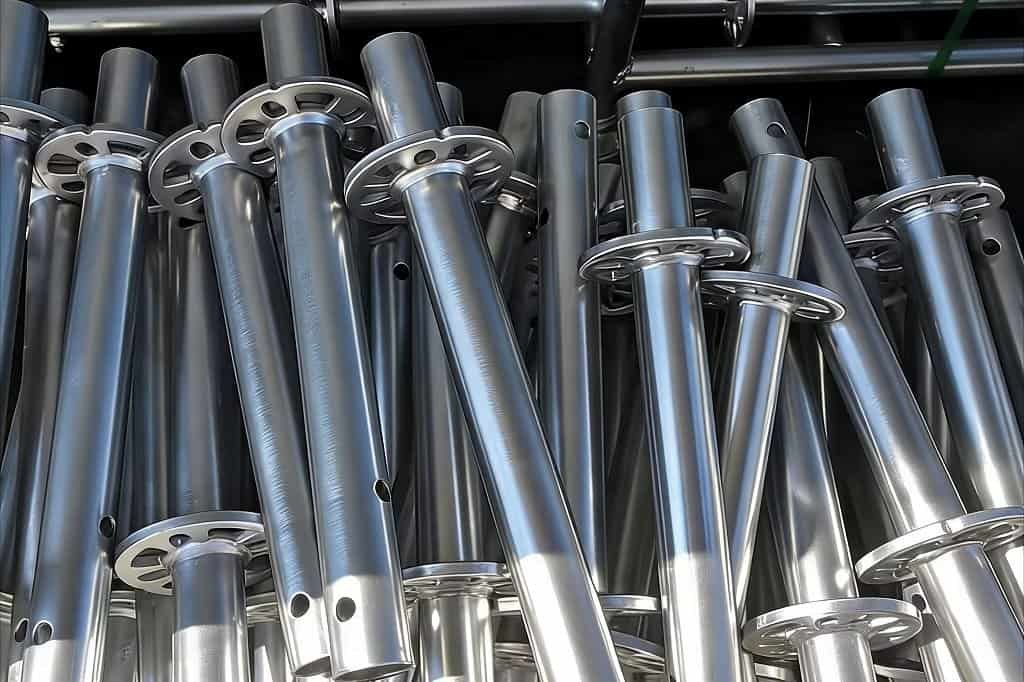
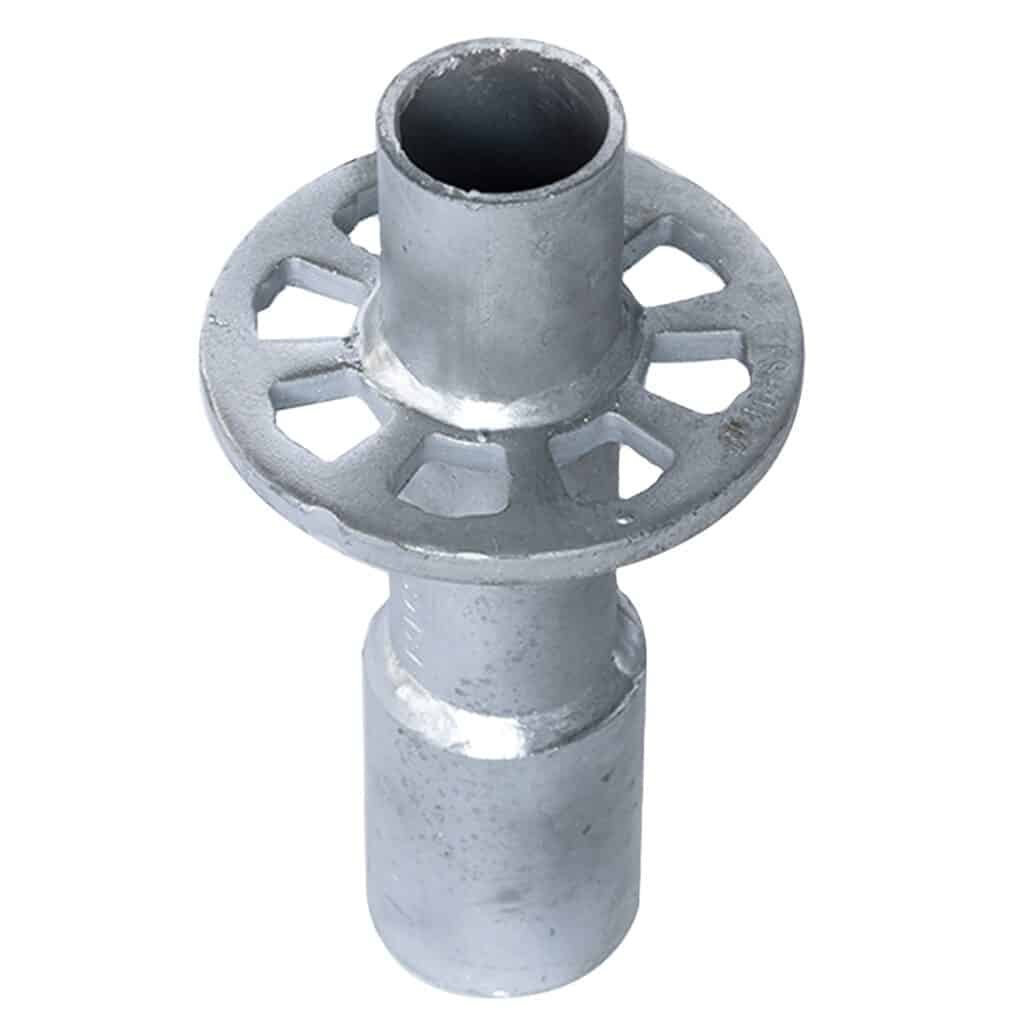
Ein Fußring ist ein Bauteil, das an der Basis von Gerüstständern angebracht wird, um diese an der Fußplatte zu befestigen. Er dient als Verbindungselement zwischen der Gerüstkonstruktion und dem Fundament bzw. der Oberfläche, auf der das Gerüst steht. Der Fußring ist typischerweise ein Metallring oder eine Hülse, die um den Gerüstständer passt und so eine stabile und sichere Basis für die vertikalen Gerüstelemente bildet.
Rolle und Funktion eines Fußkragens in Gerüstsystemen
- Stabilität gewährleisten
Die Hauptfunktion eines Basiskragens besteht darin, vertikale Stabilität zu gewährleisten. Der Fußring ist am Gerüstsystem befestigt. Durch die Verbindung des Ständers mit der Fußplatte bzw. Sohlenplatte trägt er dazu bei, dass das Gerüst unter dem Gewicht von Arbeitern, Material oder Ausrüstung nicht kippt oder sich verschiebt. Er dient als erster Kontaktpunkt zwischen Gerüst und Boden und ist somit ein entscheidendes Element für die Stabilisierung der Konstruktion. - Lastverteilung
Der Fußring trägt dazu bei, die Last gleichmäßig auf der Fußplatte zu verteilen. Er sorgt dafür, dass der Druck des Gerüstgewichts auf eine größere Fläche verteilt wird, wodurch ein Absacken oder Verrutschen des Fundaments verhindert wird. Diese Lastverteilung reduziert das Risiko eines Gerüsteinsturzes und gewährleistet, dass das Gerüst waagerecht steht. - Nivellierung und Ausrichtung
Basiskragen helfen auch dabei Nivellierung Das Gerüst. Viele Gerüstsysteme, insbesondere solche, die auf unebenem Untergrund eingesetzt werden, erfordern Justierungen, um sicherzustellen, dass das Gerüst waagerecht steht. Der Fußring kann mit einem Gewindemechanismus Dies ermöglicht die Feinjustierung der Gerüsthöhe und gewährleistet so, dass es perfekt passt. Vertikale. Diese Ausrichtung ist unerlässlich, um die sichere Verwendung des Gerüsts zu gewährleisten, insbesondere beim Aufbau zum Erreichen großer Höhen.
- Sicherheit und Konformität
Fußmanschetten spielen eine Rolle bei der Sicherstellung, dass das Gerüstsystem den Anforderungen entspricht. Sicherheitsstandards. Durch die sichere und stabile Verbindung zwischen Gerüstständer und Fußplatte tragen Fußmanschetten zur Einhaltung der gesetzlichen Sicherheitsvorschriften für Gerüste bei. In vielen Ländern und Regionen müssen Gerüstsysteme bestimmte Konstruktions- und Stabilitätsstandards erfüllen, um die Sicherheit der Arbeiter auf der Baustelle zu gewährleisten. Fußmanschetten sind ein wesentlicher Bestandteil dieser Konformität und stellen sicher, dass die Konstruktion die erforderlichen Lasten tragen kann.
Wie funktioniert ein Basiskragen?
- Montage auf dem Gerüststandard
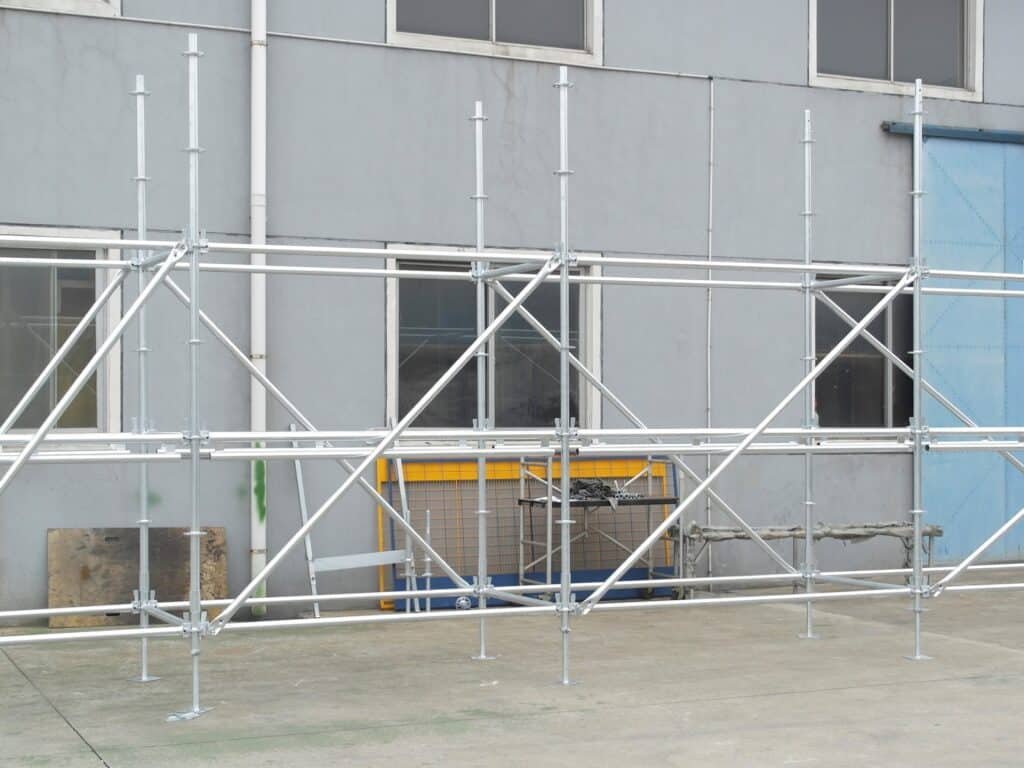
Der Basiskragen wird üblicherweise an folgendem befestigt: Fuß des Gerüstständers, Die Stütze bildet die vertikale Komponente des Gerüsts. Der Kragen wird um den Fuß der Stütze gelegt und mit Schrauben, Klemmen oder anderen Befestigungsmitteln fixiert. Diese Befestigung gewährleistet, dass die Gerüststütze fest sitzt und mit der übrigen Gerüstkonstruktion ausgerichtet ist. - Verbindung zur Grundplatte oder Sohlenplatte
Sobald der Fußring am Gerüstständer angebracht ist, wird er mit der Fußplatte oder Sohlenplatte verbunden.. Die Grundplatte wird auf dem Boden oder Fundament platziert, und der Sockelring ruht darauf. Der Sockelring ist typischerweise so konstruiert, dass er sitzen eng über der Grundplatte, um eine sichere Verbindung zu gewährleisten. In manchen Systemen kann der Grundkragen auch Folgendes beinhalten: Gewindeeinstellung Mechanismus, der es ermöglicht, den Gerüstständer leicht anzuheben oder abzusenken, um sicherzustellen, dass das Gerüst waagerecht steht. - Lastübertragung
Der Fußring spielt eine entscheidende Rolle bei der Übertragung der vertikalen Last vom Gerüstständer auf die Fußplatte. Beim Aufstellen von Arbeitern, Material und Ausrüstung auf dem Gerüst wird die Last über den Ständer und den Fußring übertragen und anschließend auf die Fußplatte verteilt. Die Fußplatte leitet die Last wiederum gleichmäßig in den Boden oder das Fundament weiter und gewährleistet so die Stabilität des Gerüsts unter Belastung. - Ausgleich für unebenen Boden
Wird das Gerüst auf unebenem Untergrund errichtet, kann der Fußring über eine Verstellmöglichkeit verfügen, um die Gerüsthöhe präzise anzupassen. Durch Drehen des Fußrings oder mithilfe einer Gewindeverbindung lässt sich der Gerüstständer an die Bodenverhältnisse anpassen. Diese Justierung trägt dazu bei, dass das Gerüst auch bei geneigtem oder unebenem Untergrund waagerecht steht.
Vorteile der Verwendung von Basiskragen in Gerüstsystemen
- Verbesserte Stabilität
Durch die Befestigung des Gerüstständers an der Fußplatte oder Sohlenplatte tragen Fußmanschetten dazu bei, dass das Gerüst fest im Boden verankert ist und somit das Risiko von Instabilität oder Umkippen verringert wird. - Vielseitigkeit
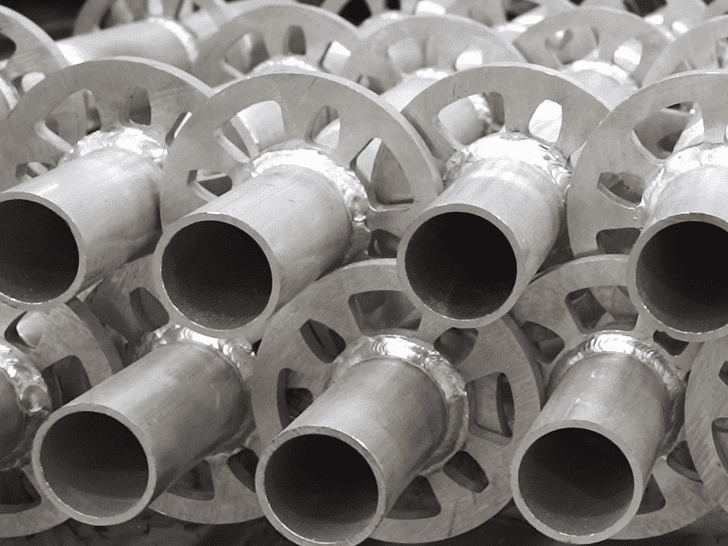
Fußmanschetten sind mit einer Vielzahl von Gerüstsystemen kompatibel, darunter Modulgerüste, Rahmengerüste und Hängegerüste. Sie sind mit verschiedenen Gerüstprofilen und Fußplatten kompatibel und somit ein vielseitiges Bauteil im Gerüstbau. - Einfache Installation und Justierung
Fußmanschetten lassen sich einfach montieren und einstellen und bieten eine schnelle und effiziente Lösung zum Nivellieren und Stabilisieren von Gerüsten. Dadurch eignen sie sich ideal für beides. vorübergehend Und dauerhaft Gerüstbauanwendungen. - Kostengünstig
Basiskragen sind eine kostengünstige Lösung Sie dienen der Verbesserung der Stabilität und Sicherheit von Gerüstsystemen. Sie erfüllen eine wesentliche Funktion, ohne die Gesamtkosten des Systems wesentlich zu erhöhen, und sind somit ein wertvoller Bestandteil von Bauprojekten.
Abschluss
Der Fußring ist ein kleines, aber unverzichtbares Bauteil von Gerüstsystemen. Seine Hauptaufgabe besteht darin, Stabilität, Lastverteilung und Ausrichtung der Gerüstkonstruktion zu gewährleisten und so deren sicheren und waagerechten Stand während der Bau- oder Instandhaltungsarbeiten sicherzustellen. Durch die Vermeidung von Instabilität und die Einhaltung von Sicherheitsstandards sind Fußringe integraler Bestandteil von Gerüstsystemen, die in verschiedensten Bauprojekten eingesetzt werden.
Häufig gestellte Fragen: Fußmanschetten in Gerüstsystemen
Frage 1: Was ist der Hauptzweck eines Fußrings bei Gerüsten?
Ein Fußkragen gewährleistet Stabilität, Ausrichtung und sichere Befestigung des Gerüstständers an der Fußplatte und ist somit ein Schlüsselelement für die Sicherheit und Integrität des Gerüstsystems.
Frage 2: Können Fußmanschetten bei jedem Gerüstsystem verwendet werden?
Ja, Basiskragen sind vielseitig einsetzbar und können mit verschiedenen Gerüstsystemen verwendet werden, darunter Modulgerüste, Rahmengerüste und Hängegerüste.
Frage 3: Wie helfen Fußmanschetten beim Ausrichten von Gerüsten auf unebenem Untergrund?
Die Fußmanschetten verfügen oft über verstellbare Mechanismen (wie z. B. Gewinde), die es ermöglichen, die Gerüstständer anzuheben oder abzusenken, wodurch das Gerüst auch auf unebenen Flächen waagerecht gehalten werden kann.
Frage 4: Benötigen die Basismanschetten irgendeine Wartung?
Basiskragen benötigen im Allgemeinen nur minimalen Wartungsaufwand. Eine regelmäßige Überprüfung ist jedoch notwendig, um sicherzustellen, dass sie fest sitzen und keine Anzeichen von Verschleiß oder Beschädigung aufweisen.
Frage 5: Sind die Basismanschetten mit allen Gerüstfußplatten kompatibel?
Die Sockelmanschetten sind so konstruiert, dass sie mit den meisten Standard-Gerüstfußplatten kompatibel sind. Um jedoch einen sicheren Halt zu gewährleisten, ist es wichtig, die Kompatibilität mit dem jeweiligen Gerüstsystem zu überprüfen.




 DE
DE  EN
EN  SV
SV  IT
IT  AR
AR  FR
FR  ES
ES  FI
FI  ET
ET  RU
RU 