Kantenschutz für Holzkonstruktionen
Die Klemmen von APAC wurden so konstruiert, dass sie die erforderlichen Lastkriterien für Schalungssysteme erfüllen. Sie passen für alle Größen von Holzbalkenprofilen.

Willkommen bei APAC Builders Equipment
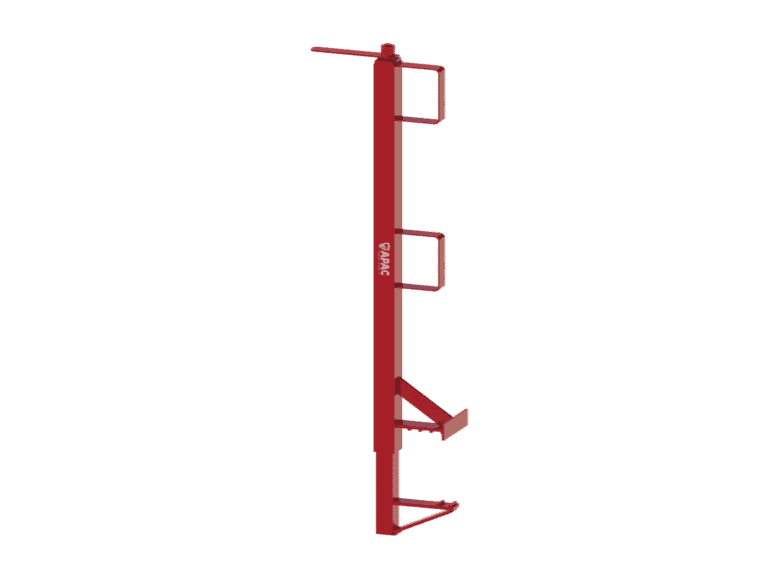
Unter Schalungskantenschutz versteht man die Anbringung von Kantenschutzprodukten an den Haupt- oder Nebenträgern einer Schalung. So werden Arbeiter oder Gegenstände beim Betonieren von Platten vor dem Herabfallen aus der Höhe geschützt.
Die Primär- und Sekundärträger können entweder aus H20-Holz oder aus Aluminium bestehen. APAC hat Befestigungselemente für beide Trägertypen entwickelt, um Ihre unterschiedlichen Anforderungen an den Kantenschutz bei Schalungsarbeiten vollständig zu erfüllen.
Wir können jede Art von Kantenschutz für Schalungskanten individuell an Ihr Projekt und Ihre detaillierten Anforderungen anpassen.
APAC bietet Ihnen zwei Hauptlösungen für Schalungskantenschutzsysteme. Außerdem bieten wir Ihnen kostenlose Designservices, Zeichnungen und Berechnungen für das Kantenschutzsystem und bieten auch erweiterte 3D-Zeichnungen. Sie können mit uns zusammenarbeiten, um Ihren Arbeitsbereich sicher und geschützt zu halten.
Die Klemmen von APAC wurden so konstruiert, dass sie die erforderlichen Lastkriterien für Schalungssysteme erfüllen. Sie passen für alle Größen von Holzbalkenprofilen.

Dieses Kantenschutzsystem wurde speziell für Aluminiumträger entwickelt und zeichnet sich vor allem durch sein geringes Gewicht und die Möglichkeit der Anpassung an die meisten Aluminiumträgergrößen aus.
Für den Kantenschutz der Schalung von APAC sind proprietäre Trägerklemmen erhältlich, die an der Ober- oder Unterseite von Schalungsträgern aus Aluminium oder proprietärem Holz einrasten, um eine Buchse oder eine andere Möglichkeit zum Festklemmen eines vertikalen Handlaufpfostens bereitzustellen.
Diese Schalungskantenschutzklemmen können beim ersten Aufstellen der Schalung an den Schalungsträgern vorfixiert werden und während der Schalungs- oder Tischbewegung an Ort und Stelle verbleiben. So wird in allen Phasen des Schalungseinsatzes eine Handlaufmöglichkeit geboten.
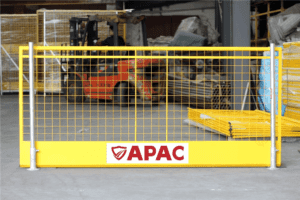
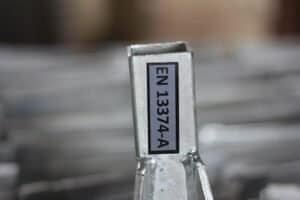
Katalog für Kantenschutzsysteme APAC Die Schalungskantenschutzsysteme von APAC entsprechen der Norm EN 13374. Dank unserer hohen Qualität garantieren wir Ihnen beste Ergebnisse. Weitere Systeme finden Sie in unserem aktuellen Katalog.
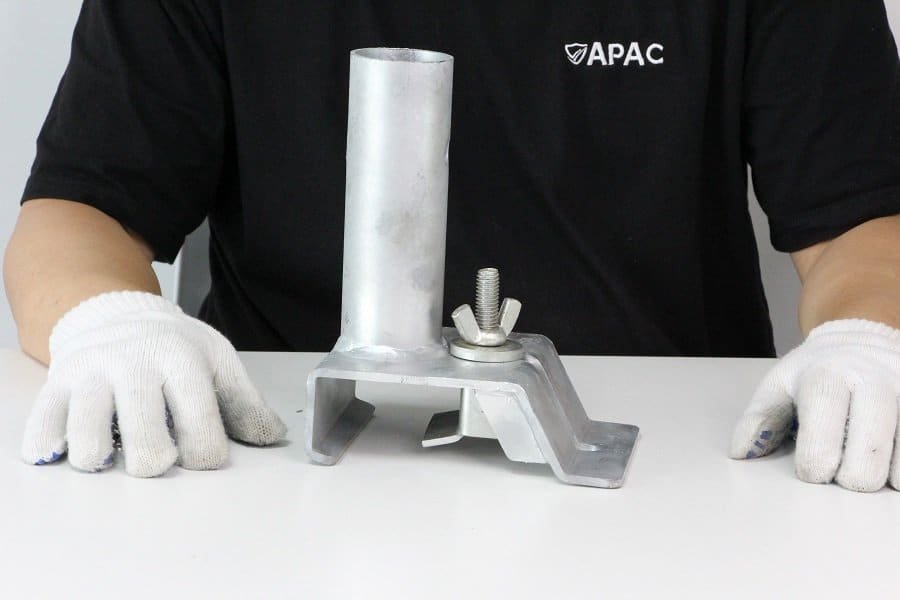
Die Schalungskantenschutzklemmen müssen gemäß den Anweisungen von APAC in einem Abstand angebracht werden, der ausreicht, um den durch Wind und Handlaufbelastung über Maschendraht oder Handlauf auf die Pfosten ausgeübten Kräften standzuhalten.
APAC stellt PDF-Dokumente, Installationsvideos oder Online-Anleitungen zur Verfügung.
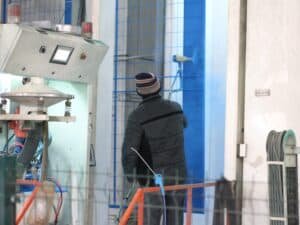
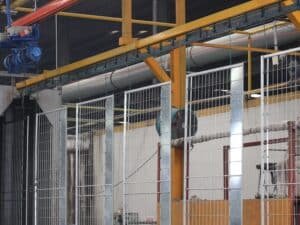
Wir sind ein Hersteller und Lieferant von Kantenschutzsystemen direkt ab Werk in China. Wir verfügen über eine automatische Produktionslinie und ein Qualitätskontrollteam, das sicherstellt, dass der Produktionsprozess den Standards entspricht und das Produkt die erforderliche Qualität aufweist.

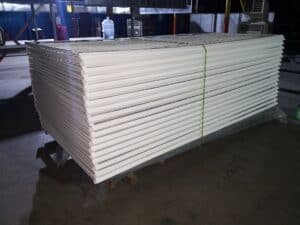
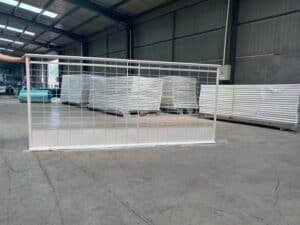
Der APAC-Schalungskantenschutz ist ein komplettes, sofort einsatzbereites System, das auf zuverlässige Einhaltung der Vorschriften, langfristige Haltbarkeit und schnelle, wiederholbare Montage ausgelegt ist. Mit bewährten Oberflächenoptionen, praktischen Befestigungslösungen und einer klaren Montageanleitung unterstützt es Teams beim Aufbau einer einheitlichen Schutzkante mit weniger Problemen vor Ort und reibungsloseren Projektübergaben.
Der APAC Schalungskantenschutz ist so konfiguriert, dass er Projekte unterstützt, die den Anforderungen der EN 13374 entsprechen, und Ihnen hilft, die Leistungserwartungen und die Konformitätsprüfungen vor Ort transparent zu gestalten.
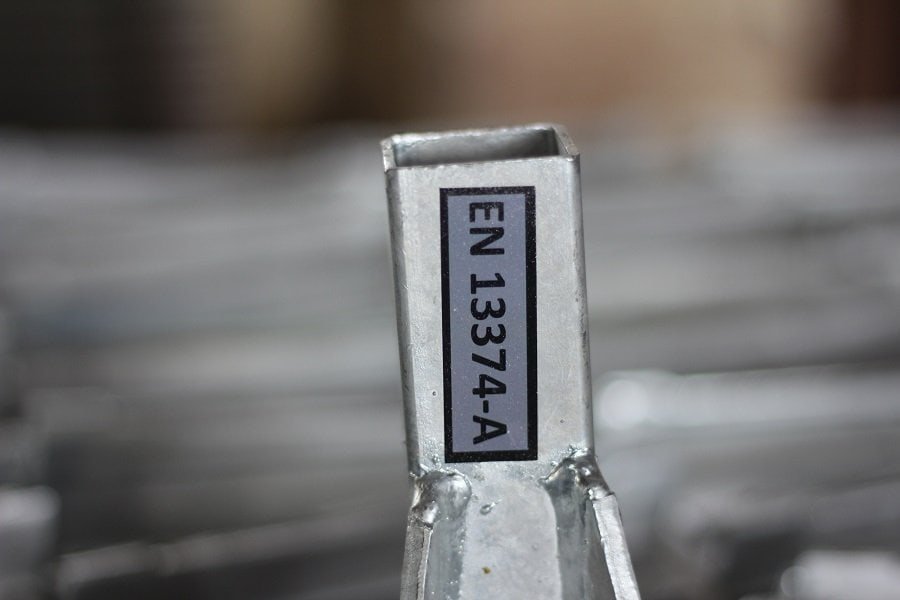

Wir bieten Oberflächenbehandlungsoptionen an, die für unterschiedliche Umgebungen und ästhetische Anforderungen geeignet sind und so die Lebensdauer über wiederholte Zyklen hinweg verlängern.
Unser Klemmensortiment ist so konstruiert, dass es zu gängigen Schalungsbalkenabmessungen und Strangpressprofilen passt und über praktische Positionierungsregeln verfügt, um Installationsfehler und Nacharbeiten zu reduzieren.

Geschäftliche Angelegenheiten
Länder, in die geliefert wurde
Betreute Auftragnehmer
Unterstützte Projekte
Die Kantenschutzsysteme von APAC dienen der temporären Absturzsicherung an allen Stellen, an denen während Beton- und Schalungsarbeiten freiliegende Kanten auftreten. Typische Anwendungsbereiche sind Plattenränder und Vorderkanten, Öffnungen wie Aufzugsschächte und Treppenhäuser, Treppenkanten und -podeste sowie temporäre Sperrzonen während des Gießens, Ausschalens und Ausrollens. Dank Befestigungsmöglichkeiten, die sowohl für Holz- als auch für Aluminiumschalungen geeignet sind, ermöglicht das System den Bauarbeitern die Schaffung einer klar definierten, wiederholbaren Sicherheitsbegrenzung, die sich mit dem Baufortschritt Geschoss für Geschoss versetzen und wiederverwenden lässt.

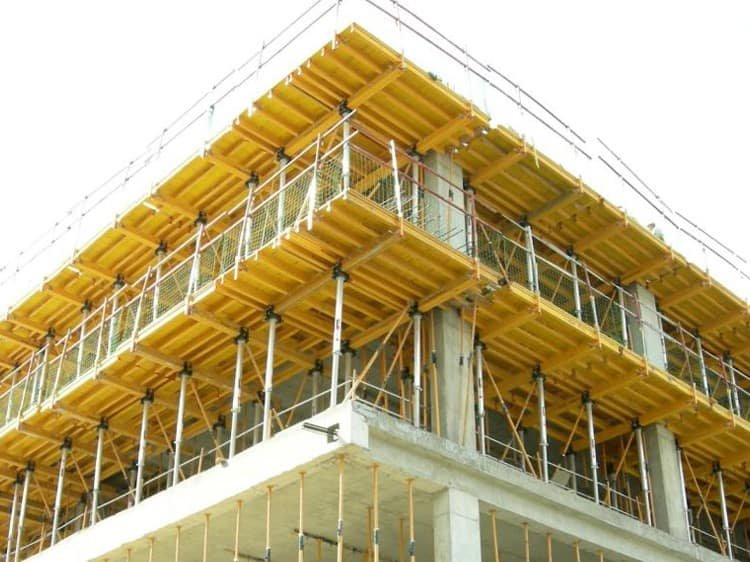

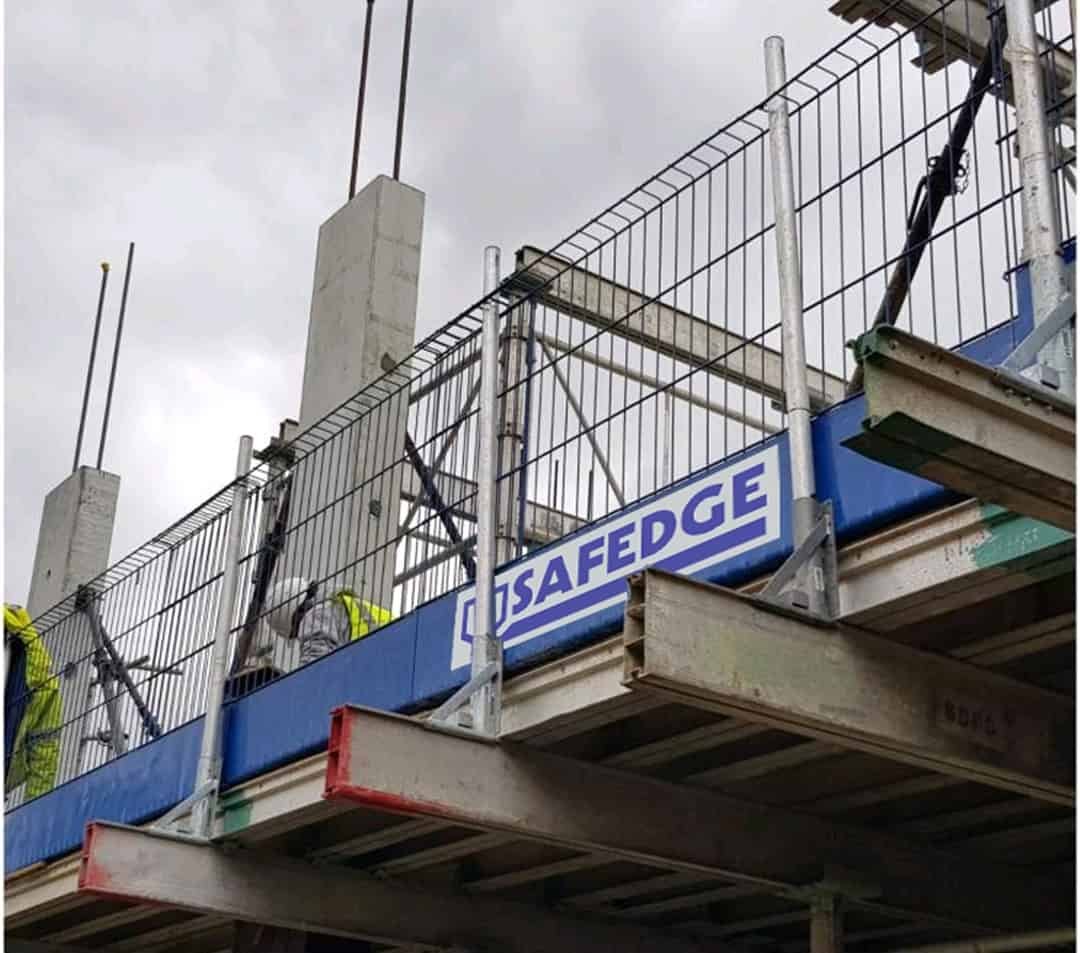
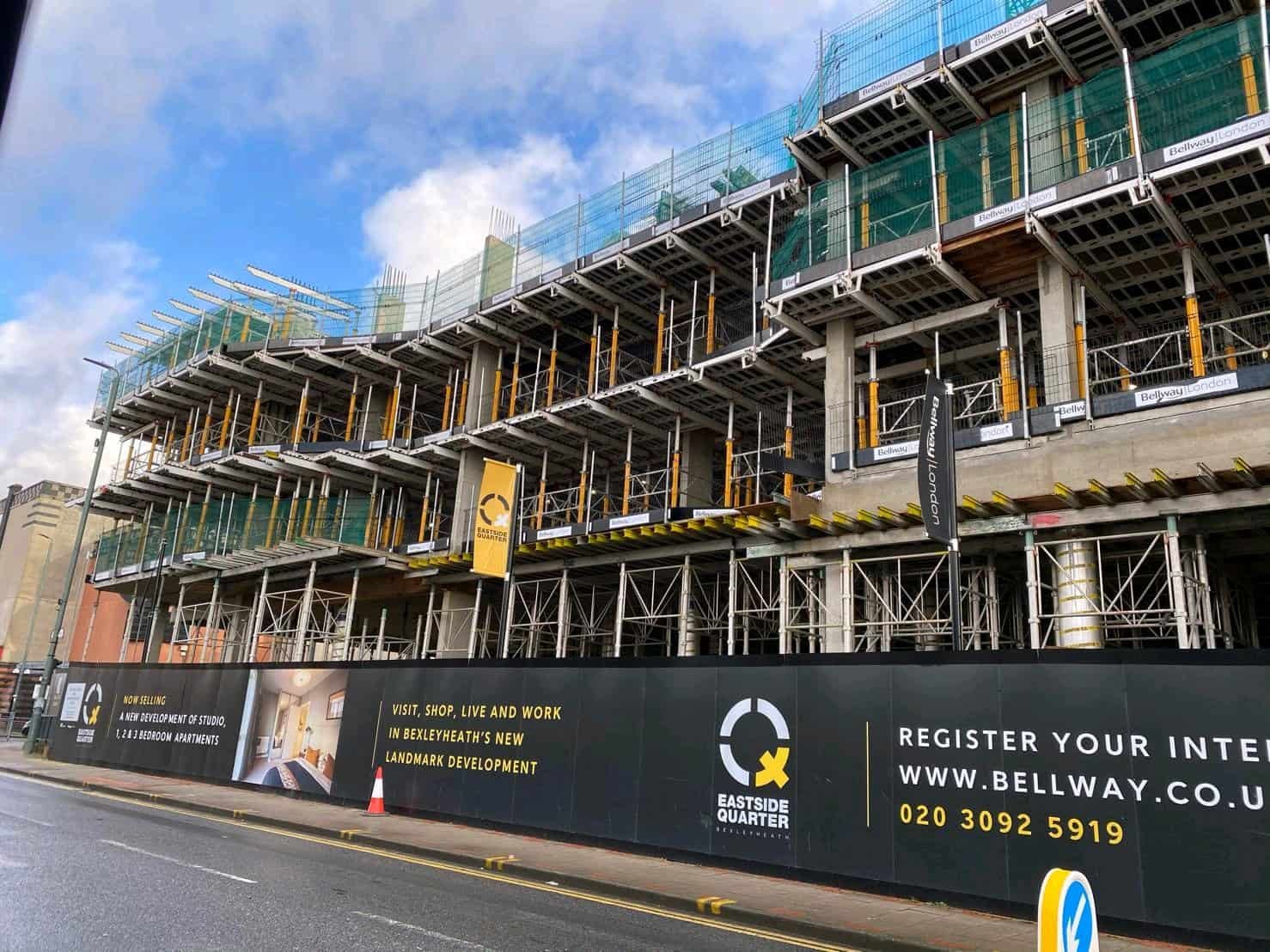
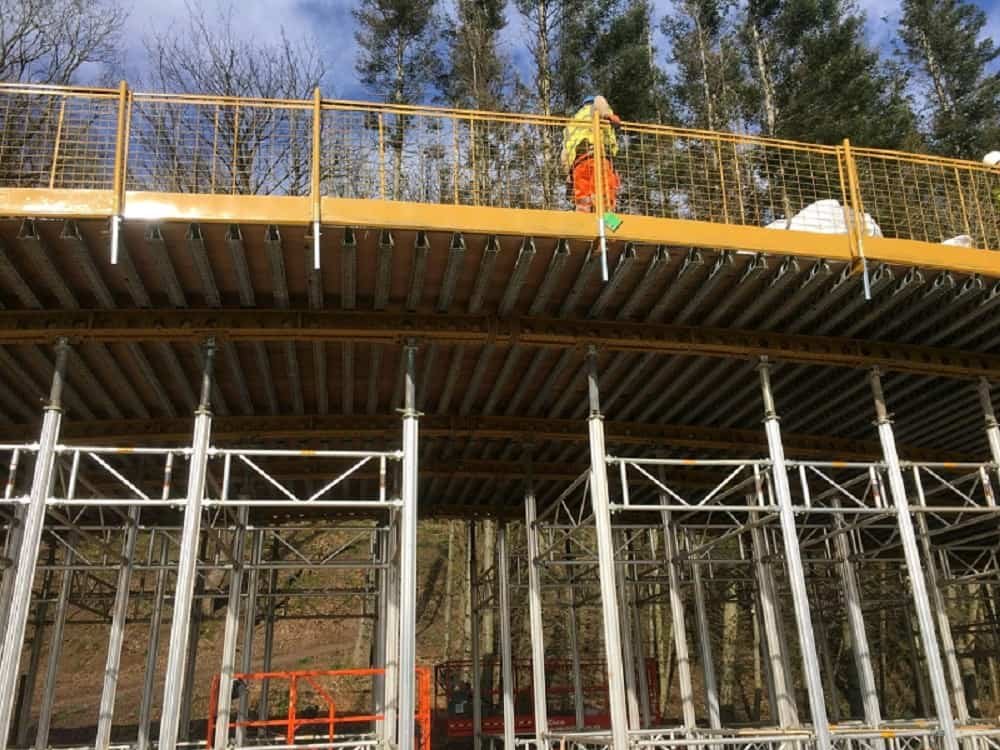

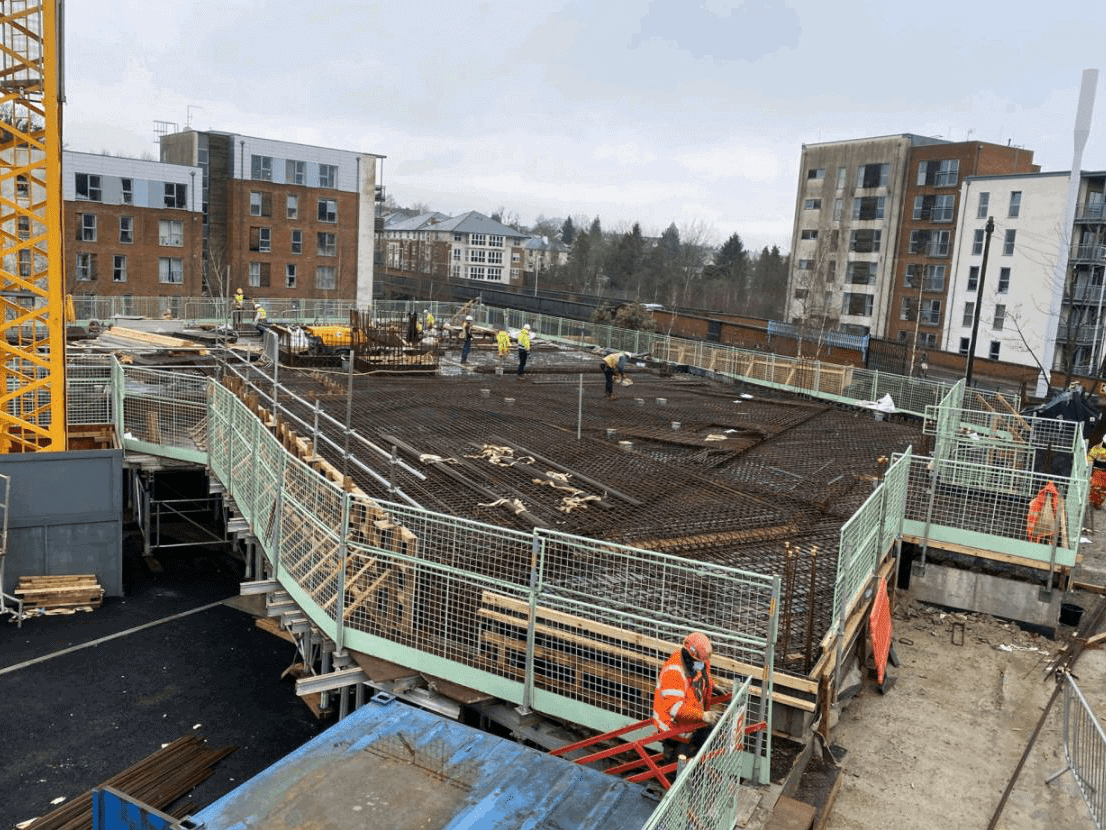
Ein Absturzsicherungssystem ist eine temporäre, kollektive Absturzsicherung, die Arbeiter und Material an ungeschützten Kanten schützt. Es wird üblicherweise an Plattenrändern, Vorderkanten, Treppenhäusern, Aufzugsschächten und Öffnungen bei Beton- und Stahlbauarbeiten installiert.
Beginnen Sie mit dem Untergrund und der Befestigungsmethode – diese bestimmen die Stabilität. Holz-/Aluminiumschalungen werden üblicherweise mit Balkenklemmen befestigt, Betonkanten oft mit einbetonierten Vertiefungen, Klemmen oder Schraubverbindungen, und Stahlkonstruktionen benötigen entweder Balkenklemmen oder spezielle Halterungen. Wenn Sie uns Ihre Kantendetails und die Art der Schalung mitteilen, können wir Ihnen die optimale Lösung empfehlen.
Mindestens erforderlich sind: die gesamte geschützte Kantenlänge, die Arbeitshöhe, die Konstruktionsart (Holz/Aluminium/Beton/Stahl), der Anwendungsbereich (Plattenkante/Öffnung/Treppe) und die gewünschte Paneelhöhe. Mit diesen Angaben erstellen wir eine Systemstückliste (BOM), die den Vergleich und die Nachbestellung erleichtert.
Beide Varianten sind verfügbar. Maschengitter werden oft bevorzugt, wenn es auf die Kontrolle von Schutt und eine klare visuelle Abgrenzung ankommt, während Schienensysteme für einfachere Abgrenzungen geeignet sein können. Die beste Wahl hängt vom Risikograd vor Ort und Ihrer Arbeitsanweisung ab.
Ja. Absturzsicherungssysteme sind für die wiederholte Montage und Demontage im Zuge des Baufortschritts ausgelegt. Die Standardisierung einer Konfiguration über alle Etagen hinweg beschleunigt den Bauprozess, verkürzt die Schulungszeiten und minimiert Montagefehler.
Je nach Markt und Konfiguration können Systeme so konzipiert und getestet werden, dass sie anerkannte Anforderungen an den temporären Kantenschutz wie z. B. EN 13374 erfüllen. Dabei steht eine projektspezifische Dokumentation zur Einsichtnahme zur Verfügung.
“Die Bestellung entsprach exakt den Spezifikationen, und die Paneele ließen sich problemlos verbinden – vor Ort gab es keine Überraschungen.”
Einkaufsleiter
“Die Schweißqualität und die Oberflächenbeschaffenheit waren in der gesamten Charge gleichbleibend. Weniger Nachbesserungen und weniger Kundenreklamationen.”
Qualitätsmanager
“Wir haben im Rahmen einer Ausschreibung eine Belastungsprüfung angefordert und einen eindeutigen Bericht erhalten – das hat die Genehmigung deutlich erleichtert.”
Koordinator für temporäre Bauwerke