
Modulära ställningar
- Tillverkad i enlighet med AS/NZS 1576.
- Den modulära designen möjliggör snabb montering och demontering, vilket hjälper entreprenörer att minska arbetstiden och förbättra den totala effektiviteten på byggarbetsplatsen.
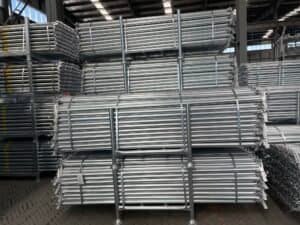
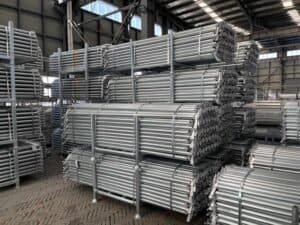
- Utmärkt hållbarhet och varmförzinkad korrosionsbeständighet, fungerar tillförlitligt vid upprepad användning och i tuffa utomhus-, kust- eller industriella förhållanden.
Vad är modulär byggnadsställning
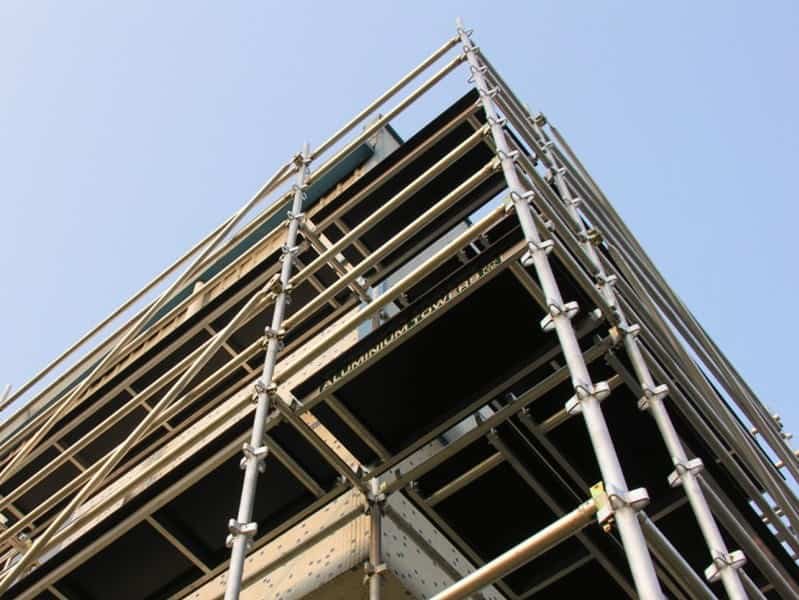
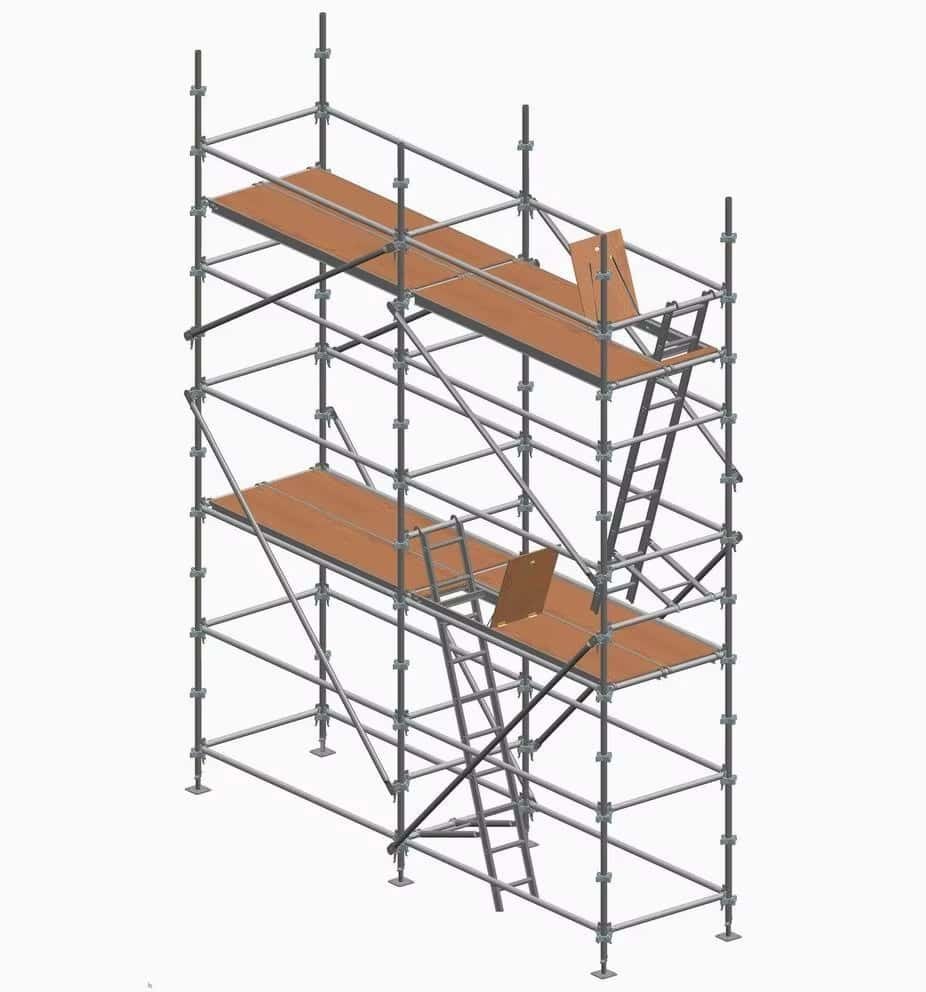
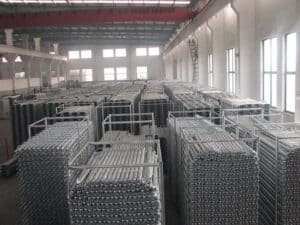
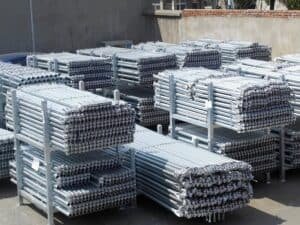
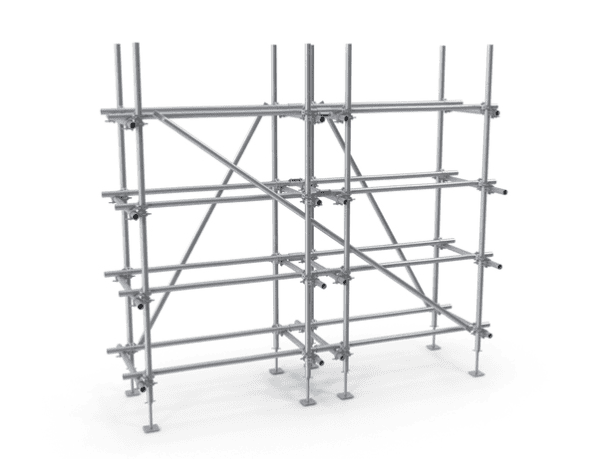
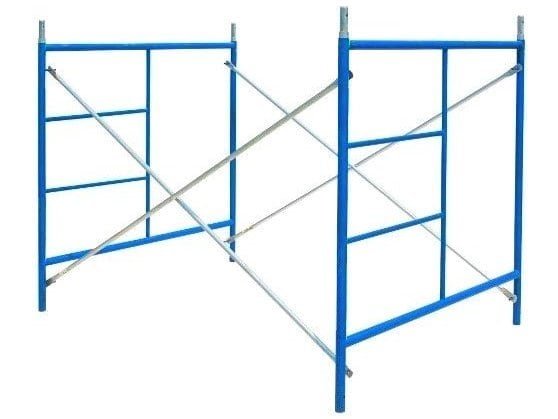
Modulära ställningar är en typ av systemställning konstruerad av förkonstruerade vertikaler, längdbalkar och diagonaler bland andra tillhörande element, som sammankopplas vid exakt placerade fasta nodpunkter. Modulära system kan enklare konstrueras jämfört med traditionella rör- och klämställningar och de är enklare att standardisera och kan användas igen i utmanande projekt.
Den största styrkan med modulära ställningar är att de har en balans mellan snabbhet, flexibilitet och strukturell stabilitet. För projekt som involverar arbete på hög höjd bör entreprenörer också vara uppmärksamma på säkerhetskrav för byggnadsställningar under hela planering, uppförande och användning.
Olika typer av modulära ställningar för dig
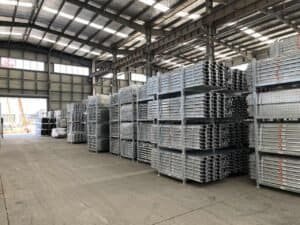
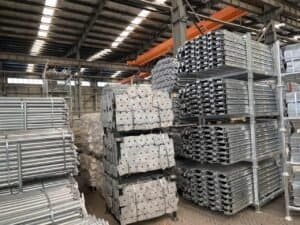
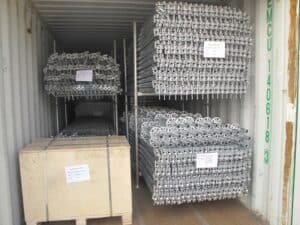
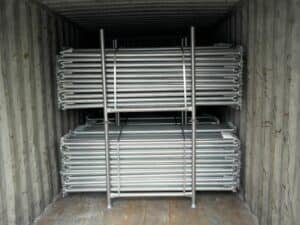
APAC erbjuder ett komplett utbud av modulära ställningssystem för att möta olika regionala standarder, projektkrav och kundpreferenser.
Ringlås ställning
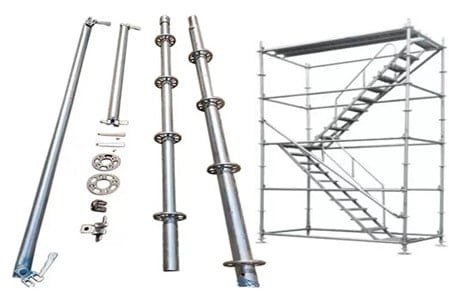
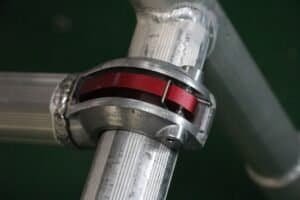
Ringlock-ställningar är ett av de mest mångsidiga modulära systemen på marknaden. Det använder rosettkopplingspunkter som gör att flera komponenter kan anslutas i olika vinklar.
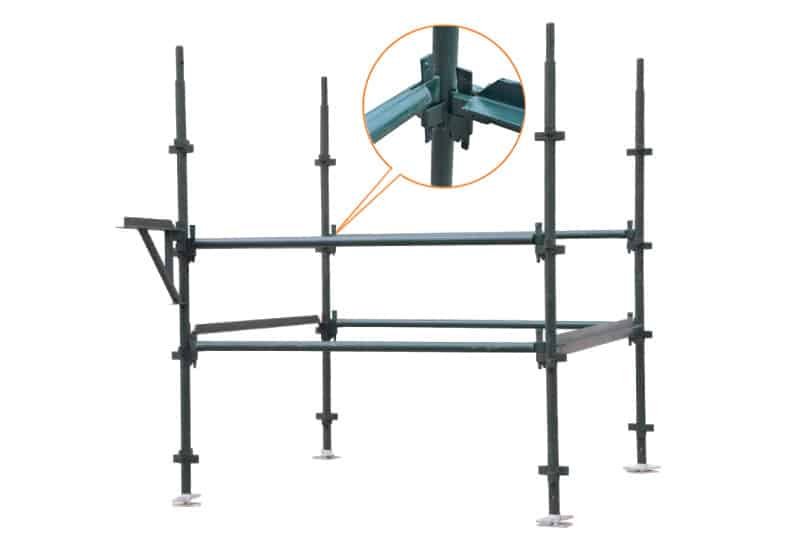
Kwikstage-ställning
Dess låsmekanism med kopp och blad möjliggör snabb installation och demontering, vilket gör den till ett praktiskt val för projekt där arbetseffektivitet och enkelhet är viktigt.
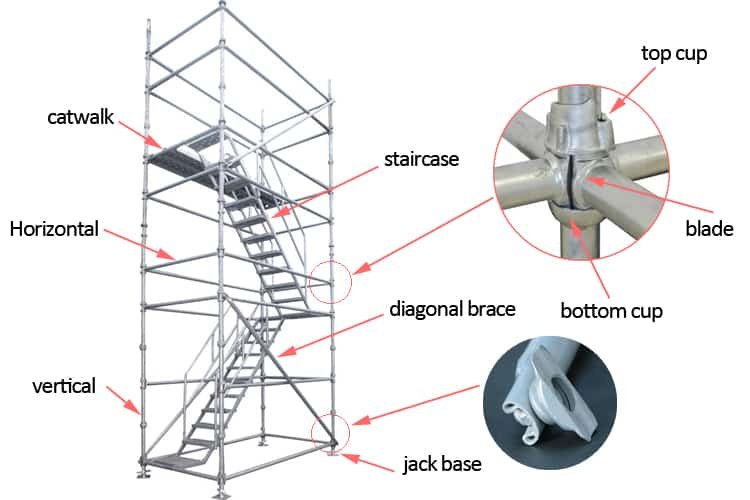
Cuplock ställning
Kwikstage-ställningar är populära på många marknader tack vare sin hållbara design, användarvänlighet och starka anpassningsförmåga. De används ofta inom bygg-, anläggnings- och underhållsprojekt.
Mer information om APAC-modulära ställningar
Varför välja APAC-modulära ställningar
Modulära ställningar i Asien-Stillahavsområdet fokuserar på B2B-kunder som behöver något utöver de vanliga komponenterna i en ställning. Kategorier av entreprenörer, distributörer och uthyrningsföretag som är intresserade av att köpa pålitliga modulära ställningssystem, som är enkla att installera och kan användas upprepade gånger av dem i olika projekt, kommer att finna detta användbart.
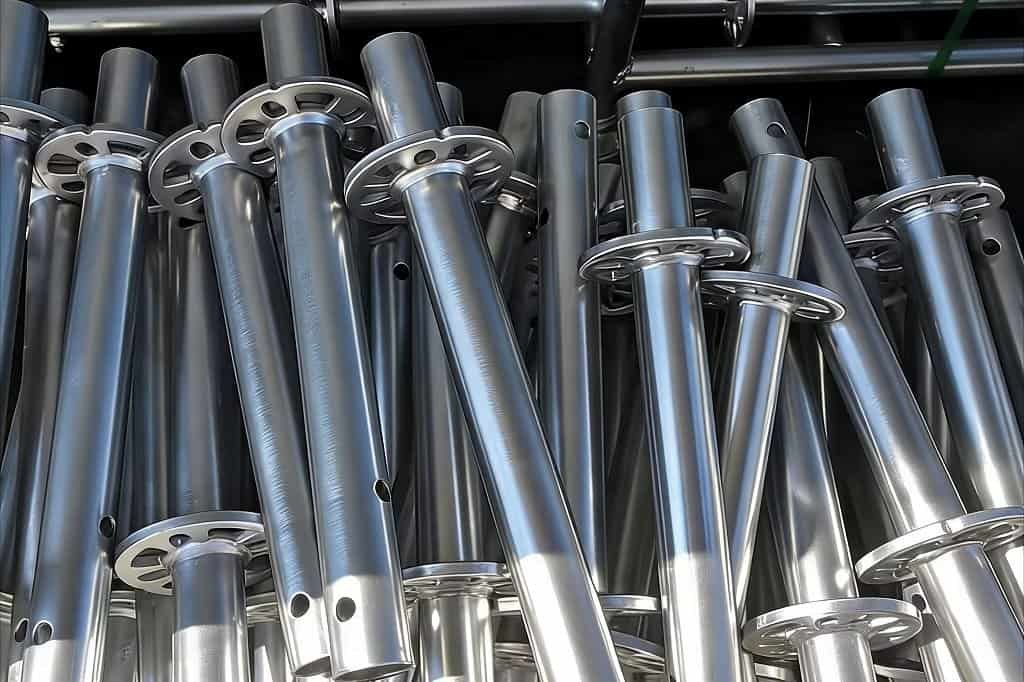
Pålitlig kvalitet för upprepad användning
Modulära ställningar används ofta om och om igen i flera projekt, så konsekvens är viktigt. APAC uppmärksammar de viktigaste produktdetaljerna som påverkar montering, strukturell stabilitet och livslängd, vilket hjälper köpare att minska undvikbara problem på byggarbetsplatsen. Detta är också nära relaterat till korrekt vägledning för byggnadsställningar och inspektion under montering, användning och övervakning.
- Stabil materialkvalitet för pålitlig prestanda
- Konsekventa dimensioner för enklare montering
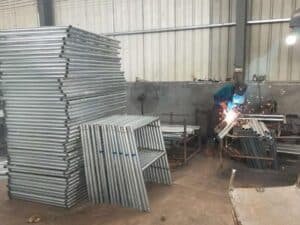
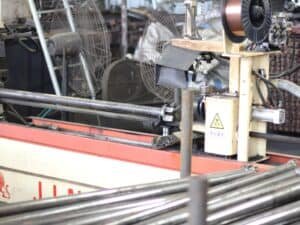
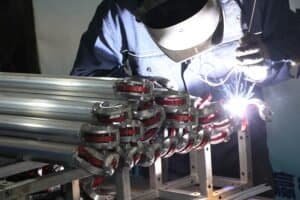
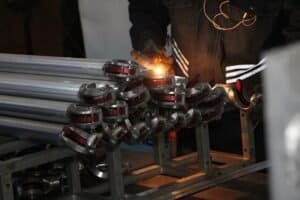
- Tillförlitlig svetskvalitet för starkare anslutningar
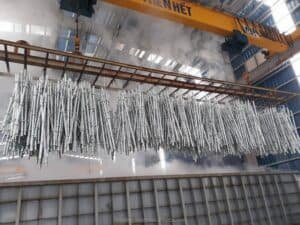
- Hållbar ytbehandling för bättre korrosionsbeständighet
Förbättrad webbplats och installation
Bland de viktigaste faktorerna som gör att köpare föredrar modulära ställningar är att förbättra arbetseffektiviteten. Modulära ställningssystem i Asien-Stillahavsområdet är också utformade för att underlätta snabb montering och demontering, vilket gör att entreprenören sparar tid på plats och säkerställer att projekten fortsätter.
- Kommersiella element för snabbare montering.
- Färre lösa beslag än i konventionella.
- Minskad arbetsbelastning vid montering och demontering.
- Bättre effektivitet där det finns ett stort eller repetitivt arbetsområde.


Anpassningsstöd för din marknad
Inom internationell B2B-verksamhet är standardprodukter inte alltid tillräckliga. Asien-Stillahavsområdet kan stödja anpassning baserat på era marknadskrav, vilket hjälper er att bygga ett mer konkurrenskraftigt produkterbjudande.
- Anpassade storlekar och specifikationer tillgängliga
- Ytbehandlingsalternativ baserade på projektets behov
- OEM- och varumärkesstöd
- Flexibla lösningar för olika regionala marknader
Betrott av entreprenörer världen över
Tillämpningar av modulära ställningar
Modulära ställningar används ofta i många branscher på grund av dess effektivitet, säkerhet och anpassningsförmåga.
Den används ofta för åtkomst till byggnadsfasader, vilket gör det möjligt för arbetare att utföra murning, putsning, målning, beklädnad och glasering säkert på hög höjd. Den är också lämplig för brobyggnation och infrastrukturprojekt, där starkt strukturellt stöd och flexibla layoutalternativ behövs. För dessa miljöer är en tydlig guide till riskhantering för byggnadsställningar är viktigt för att stödja säkrare planering, åtkomst och användning på plats.
Modulära ställningar | Den ultimata FAQ-guiden
1. Vad används modulära ställningar till?
Modulära byggnadsställningar används för byggtillträde, underhållsarbete, industriella avstängningar, broprojekt, fasadarbeten och tillfälliga stödkonstruktioner.
2. Är modulära ställningar bättre än rör- och klämställningar?
För många projekt är modulära ställningar mer effektiva eftersom de är snabbare att montera, enklare att standardisera och enklare att hantera i stora mängder.
3. Kan ni anpassa modulära byggnadsställningar?
Ja. Vi kan erbjuda anpassning av storlekar, ytbehandling och varumärke, beroende på era beställningskrav och målmarknad.
4. Vilka tre typer av modulära ställningar finns det?
De tre vanliga typerna av modulära ställningar är Ringlock-ställningar, Cuplock-ställningar och Kwikstage-ställningar. Varje system har sin egen kopplingsdesign, men alla är byggda för att ge snabb montering, stark strukturell stabilitet och effektiv användning i bygg- och industriprojekt.
5. Vad är skillnaden mellan modulära och rörformiga ställningar?
Den största skillnaden är kopplingsmetoden och monteringseffektiviteten. Modulära ställningar använder förkonstruerade spiror, längdskenor och stag som låses i fasta kopplingspunkter, så de är snabbare att montera, mer konsekventa och bättre lämpade för stora eller komplexa projekt. Rörställningar (rör- och klämställningar) använder individuella stålrör sammankopplade med separata kopplingar, vilket ger god flexibilitet men kräver vanligtvis mer arbete, fler lösa beslag och mer tid för montering och demontering.

 SV
SV  EN
EN  IT
IT  AR
AR  DE
DE  FR
FR  ES
ES  FI
FI  ET
ET  RU
RU