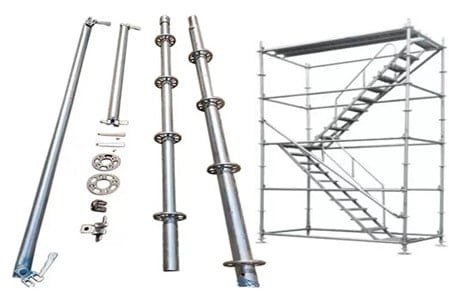
Ringlock Scaffold
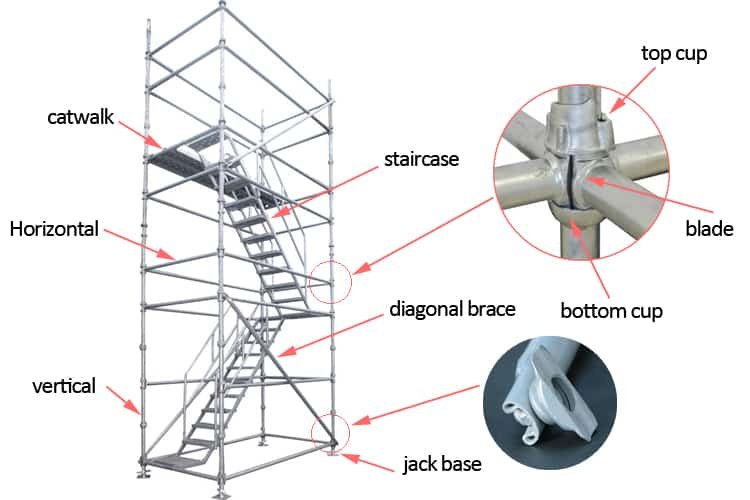
Ringlock scaffolding is one of the most versatile modular systems on the market. It uses rosette connection points that allow multiple components to be connected at different angles.
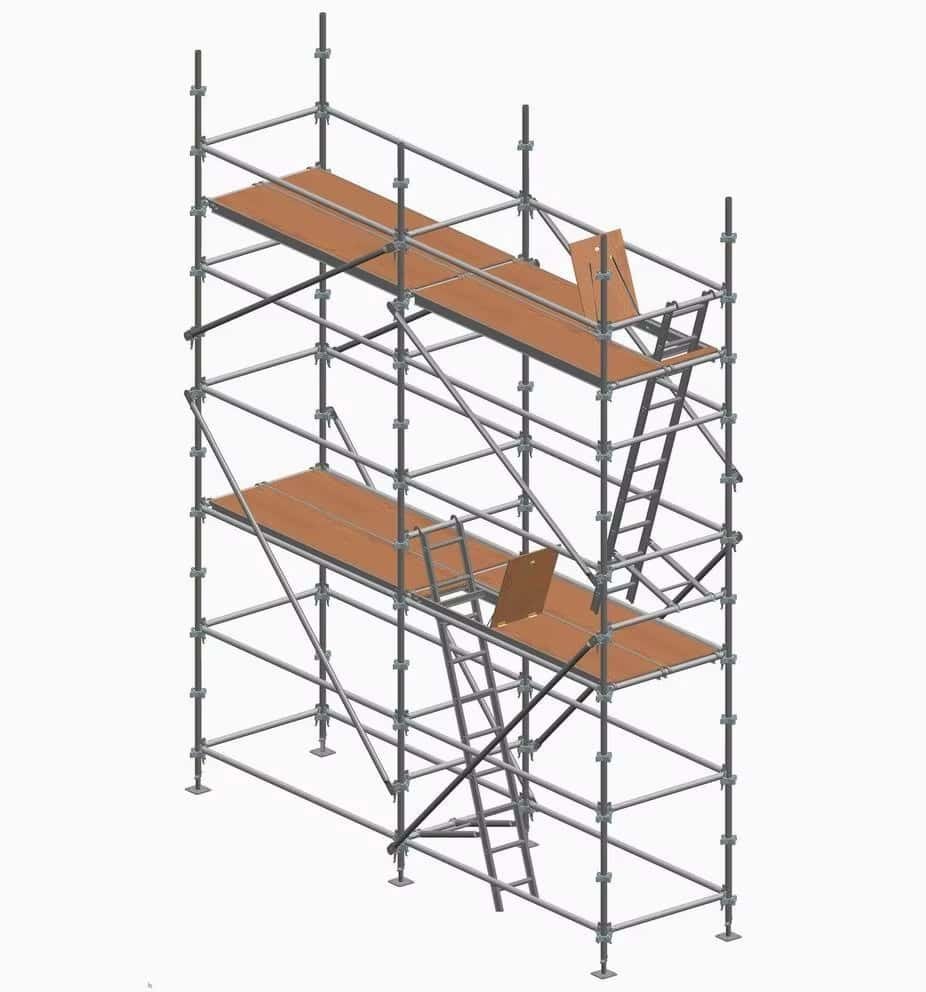
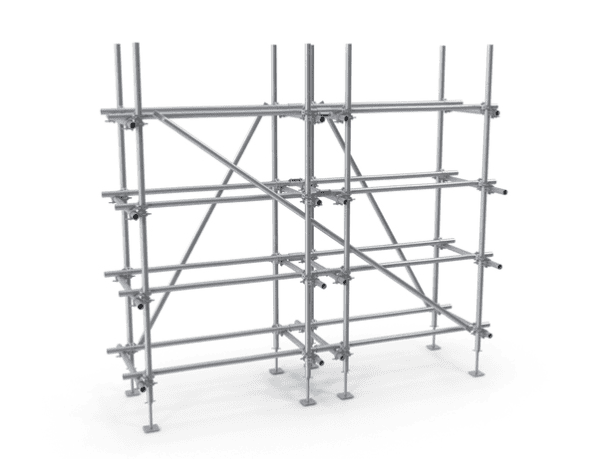
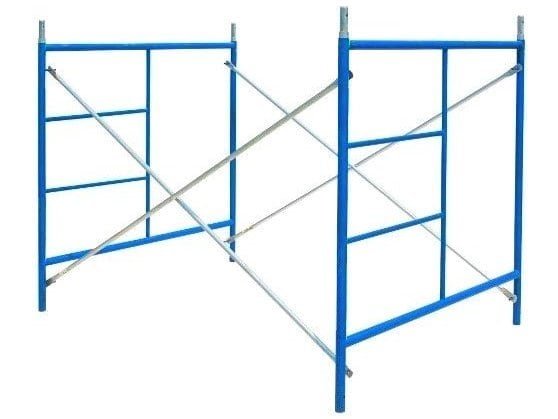
Modular scaffolding is a type of system scaffold constructed of pre-engineered verticals, ledgers and diagonals among other associated elements, which interlock at precisely located fixed node points. Modular systems can be more easily constructed in comparison with traditional tube and clamp scaffolding and they are easier to standardize and can be used again on challenging projects.
The greatest strength of modular scaffolding is that it has a balance of speed, flexibility and structural stability. For projects that involve work at height, contractors should also pay attention to scaffolding safety requirements throughout planning, erection, and use.
APAC offers a complete range of modular scaffolding systems to meet different regional standards, project requirements, and customer preferences.
Ringlock scaffolding is one of the most versatile modular systems on the market. It uses rosette connection points that allow multiple components to be connected at different angles.
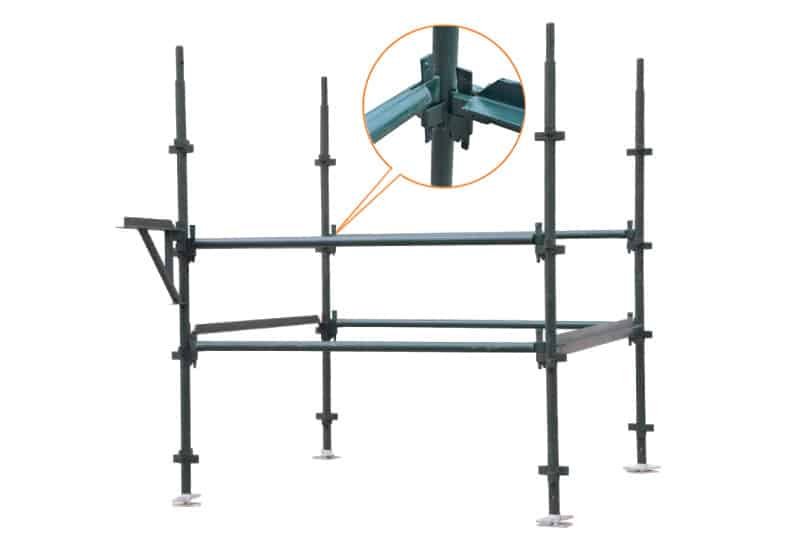
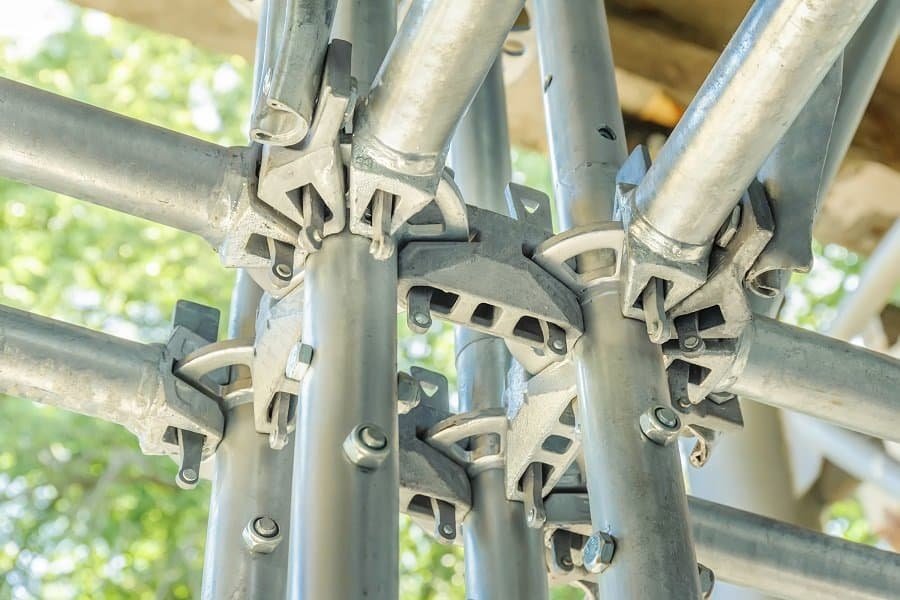
Its cup-and-blade locking mechanism allows quick installation and dismantling, making it a practical choice for projects where labor efficiency and simplicity are important.
Kwikstage scaffolding is popular in many markets due to its durable design, ease of use, and strong adaptability. It is commonly used in construction, civil works, and maintenance projects.

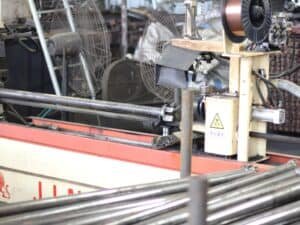
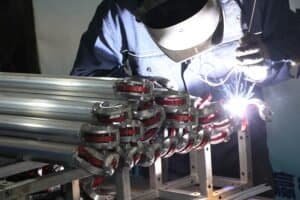
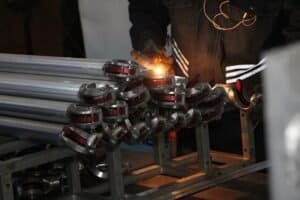
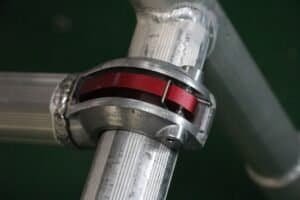
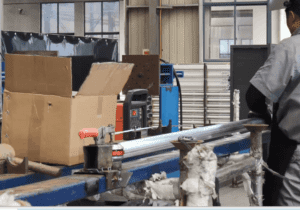
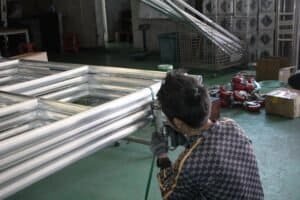
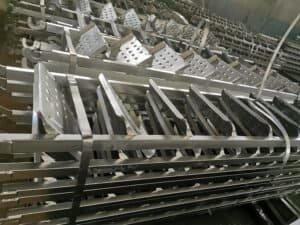
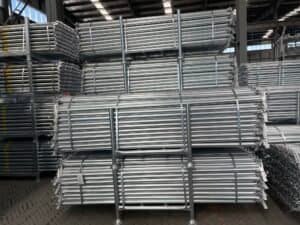
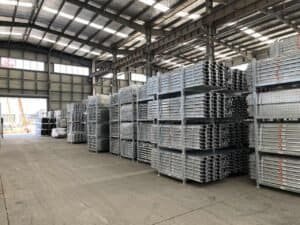
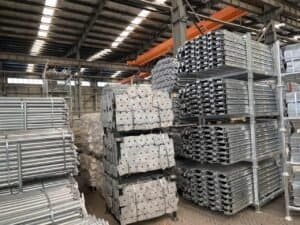
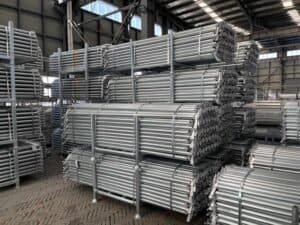
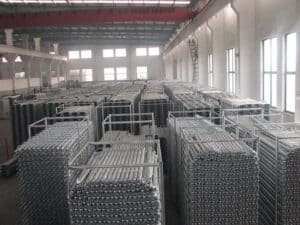
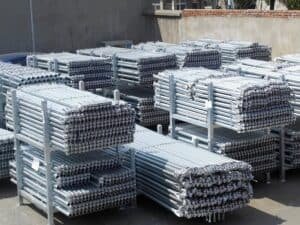
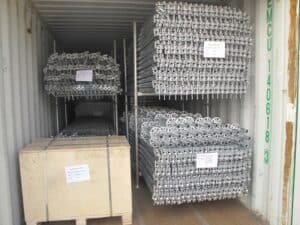
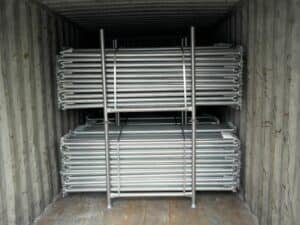
APAC modular scaffolding is focused on B2B customers who require something beyond the normal components of scaffold. Categories of contractors, distributors, and rental companies who are interested in purchasing reliable modular scaffolding systems, which are easy to install and can be used repeatedly by them in various projects, will find this useful.
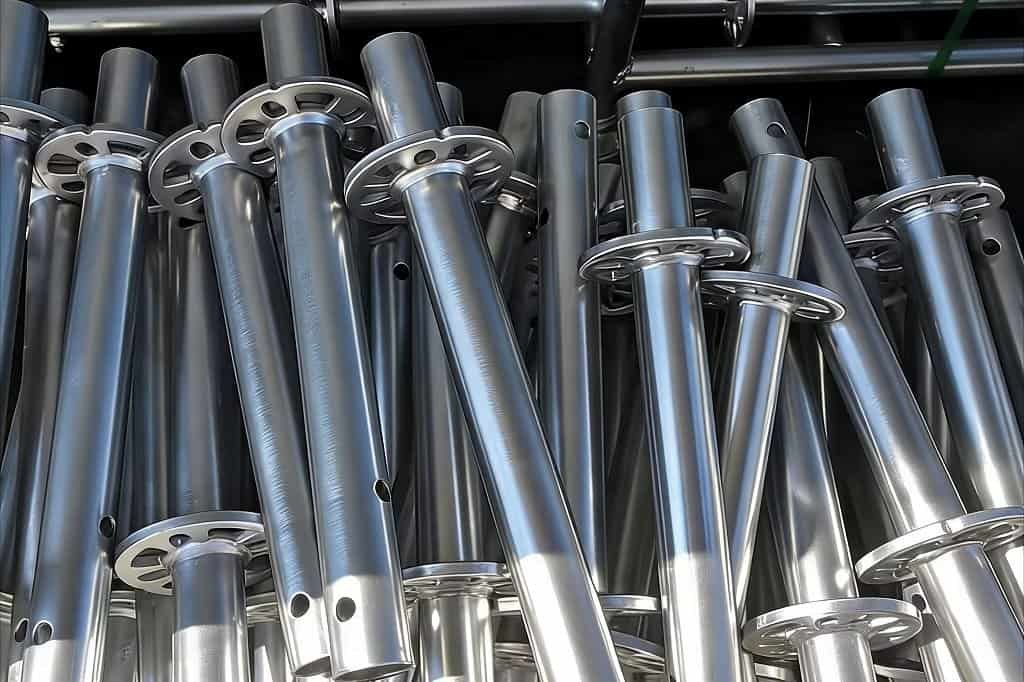
Modular scaffolding is often used again and again across multiple projects, so consistency matters. APAC pays attention to the key product details that affect fit-up, structural stability, and service life, helping buyers reduce avoidable site problems. This is also closely related to proper scaffold design and inspection guidance during erection, use, and supervision.
Among the chief factors that make buyers prefer modular scaffold is to enhance labor efficiency. APAC modular scaffolding systems are also designed to assist in fast erection and dismantling to enable the contractor save time on site and ensure projects are continued.

In international B2B business, standard products are not always enough. APAC can support customization based on your market requirements, helping you build a more competitive product offering.
Business Work
Countries Delivered
Contractors Served
Projects Supported
Modular scaffolding is widely used in many industries because of its efficiency, safety, and adaptability.
It is commonly used for building facade access, allowing workers to perform masonry, plastering, painting, cladding, and glazing work safely at height. It is also suitable for bridge construction and infrastructure projects, where strong structural support and flexible layout options are needed. For these environments, a clear scaffolding risk management guide is important to support safer planning, access, and use on site.
Modular scaffolding is used for construction access, maintenance work, industrial shutdowns, bridge projects, facade work, and temporary support structures.
For many projects, modular scaffolding is more efficient because it is faster to assemble, easier to standardize, and simpler to manage in large quantities.
Yes. We can support customization for sizes, surface treatment, and branding, depending on your order requirements and target market.
The three common types of modular scaffolding are Ringlock scaffolding, Cuplock scaffolding, and Kwikstage scaffolding. Each system has its own connection design, but all are built to provide fast assembly, strong structural stability, and efficient use on construction and industrial projects.
The main difference is the connection method and erection efficiency. Modular scaffolding uses pre-engineered standards, ledgers, and braces that lock into fixed connection points, so it is faster to assemble, more consistent, and better suited for large or complex projects. Tubular scaffolding (tube and clamp scaffolding) uses individual steel tubes connected by separate couplers, which gives good flexibility but usually requires more labor, more loose fittings, and more time for erection and dismantling.
"We’ve been using APAC’s modular scaffolding systems for over two years on several large-scale projects. The quality is exceptional, and the ease of assembly has significantly reduced our setup times. The stability and reliability of the systems help ensure that our teams work safely and efficiently. We highly recommend APAC for anyone looking for durable and flexible scaffolding solutions."
James Thompson
Construction Site Manager
"As a supplier, we rely on consistency and quality across our scaffolding inventory, and APAC has been a reliable partner. Their modular scaffolding systems are well-built, easy to stock, and adaptable to various job sites. Our clients consistently praise the speed of installation and the strength of the scaffolding. APAC’s attention to detail in manufacturing and export packing also ensures a smooth delivery every time."
Rachel
Project Manager
"APAC’s modular scaffolding has been a game-changer for our rental business. The systems are versatile and can be used for a wide range of projects, from small building jobs to large industrial shutdowns. What sets APAC apart is the durability and ease of use. It’s helped us maintain a high turnover rate while reducing maintenance issues. Our clients trust the quality and reliability of APAC scaffolding, and we’re happy to provide it."
Mark Evans
Purchase Manager