scaffold debris netting
Provide containment for scaffolding projects around your job site as a control debris mesh tarps and safety barriers, keeping continuous air movement

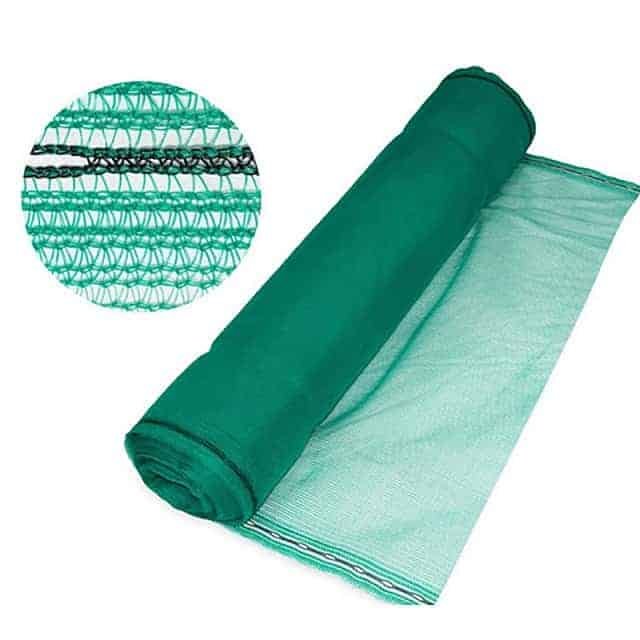
Debris netting is made of HDPE, with the advantages of high strength, light weight, heat insulation,fireproofing and dust prevention.
It is mainly used in construction sites, shipbuilding & repairing, large equipment installation and other high-altitude workplaces, preventing people and objects from falling or to avoid injury from falling objects.
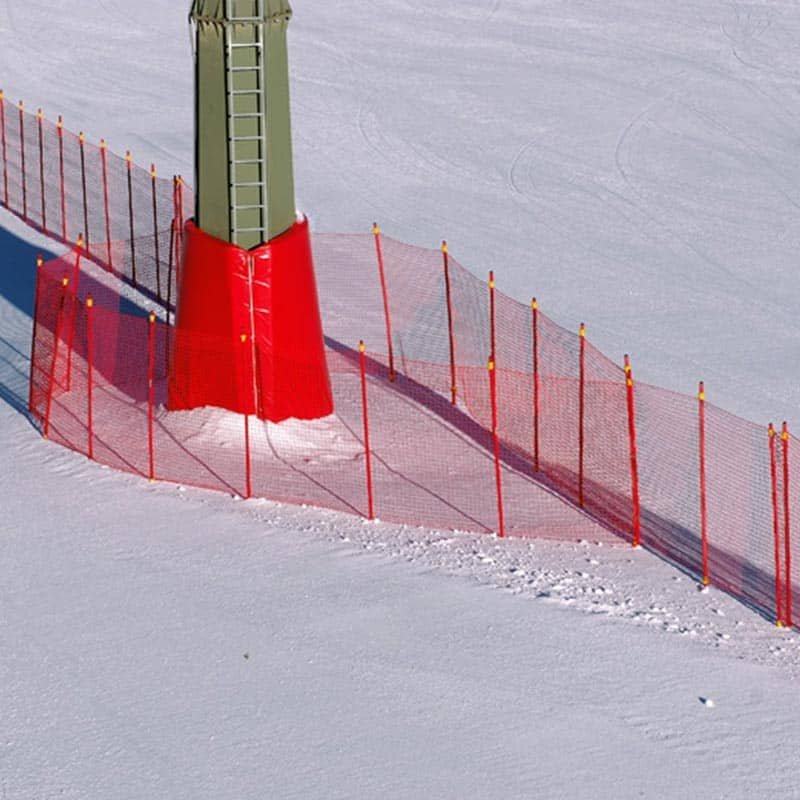
The debris netting can also be used as protective nets, fences, bird protection nets, etc. for a variety of purposes.
Debris Netting is mainly used on scaffolding to keep any rubbish or debris contained on a building site. It improves site safety by reducing the risk of objects falling outside the working area. The containment of debris creates a safer working environment for workers and the general public.
The fine mesh design allows a good around of air circulation, but reduces the amount of wind and rain that can get through which makes for an improved and safer working environment.
Debris Netting is your important source of protection from debris that falls from the working deck. APAC debris netting series will help you improve the safety of on-the-street pedestrians, construction workers and adjacent properties.
Our heavy-duty, fire retardant, OSHA-compliant debris netting is made to wrap a building or job site in a cocoon of safety. It is the most economical and cost-effective solution for ultimate safety on your job site.
Provide containment for scaffolding projects around your job site as a control debris mesh tarps and safety barriers, keeping continuous air movement
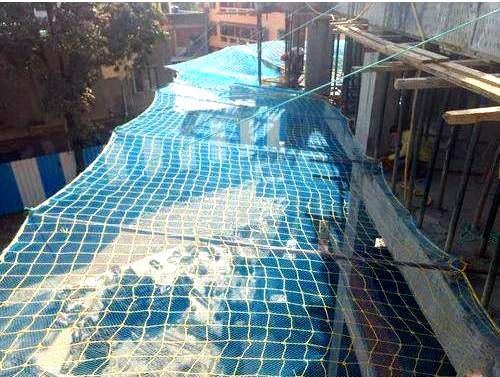
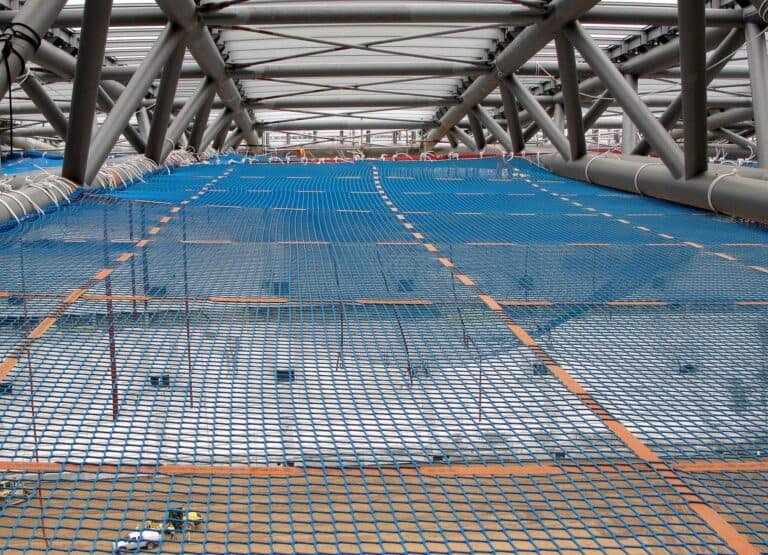
Durable netting installed horizontally to provide worker safety, protecting workers from penitential falls and falling debris and objects on the ground
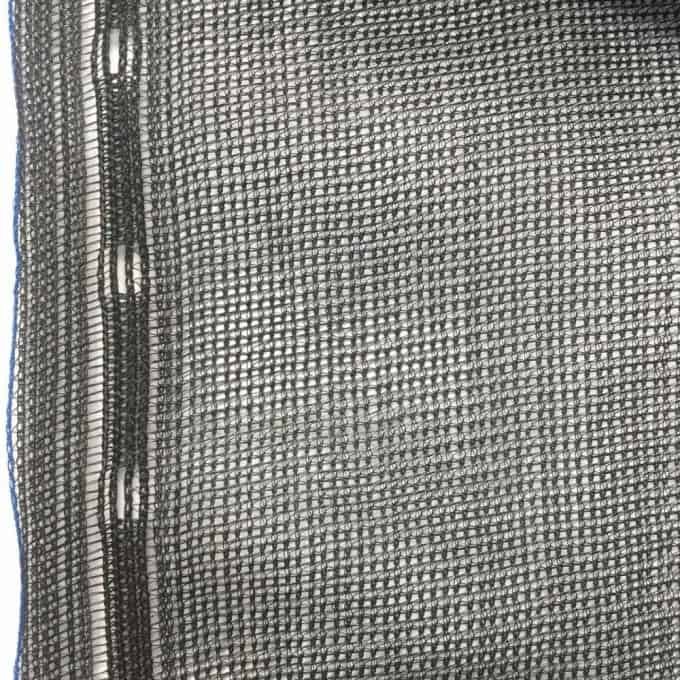
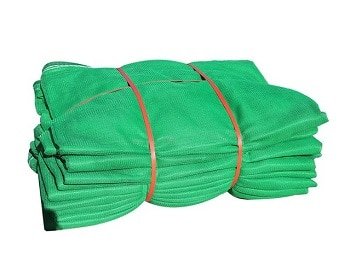
Designed for scaffolding enclosure and vertical debris protection, increasing the safety of workers and debris falling during construction.

Made from high tenacity knotless polypropylene and go through rigorous testing to ensure they meet construction industry standards
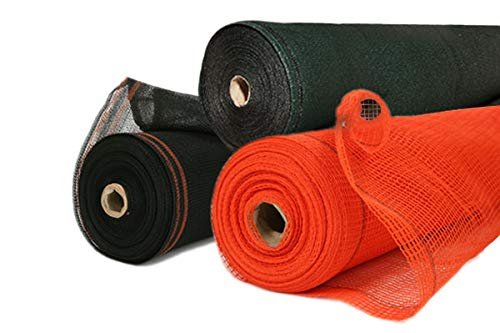
Made from knitted polyethylene with a reinforced edge boarder. It is typically used at construction jobsites and is UV treated.
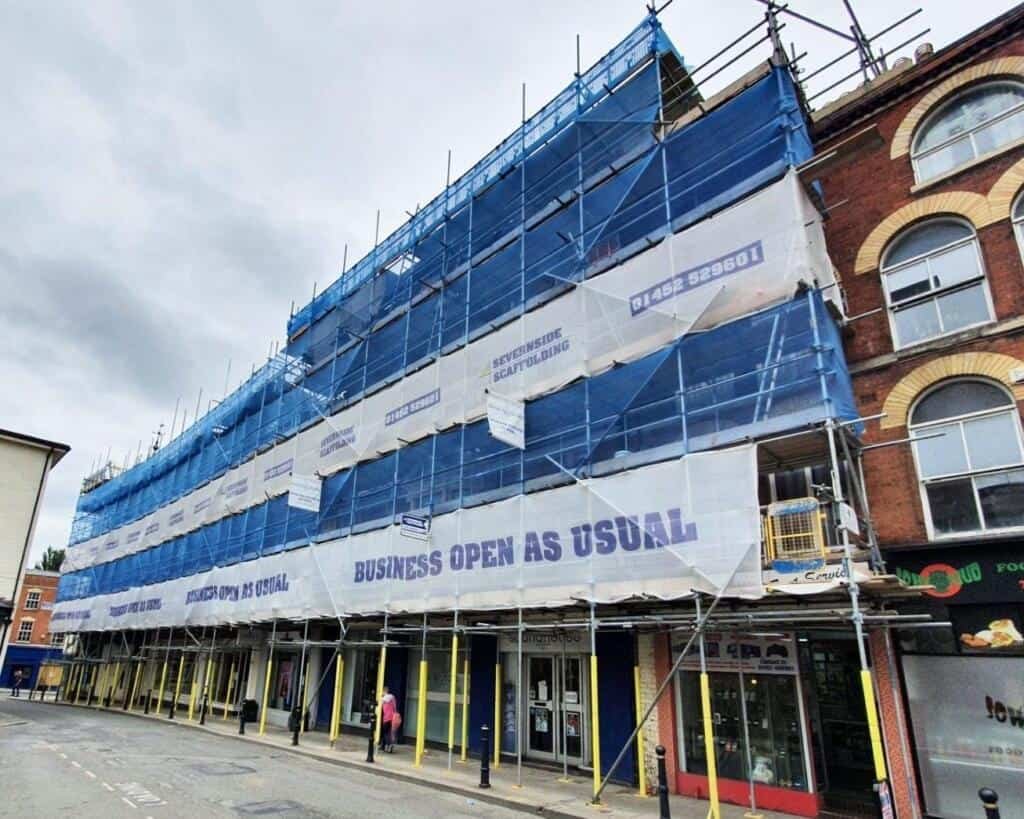
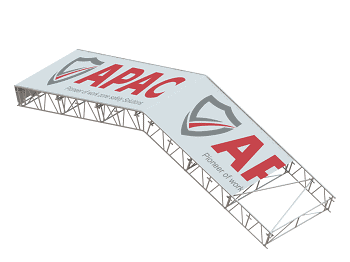
Adequate advertising on your construction project, it can be custom debris netting banners or temporary fence panel covers
As a debris netting supplier, APAC has exported for over 5 years. Our debris netting is heavy-duty and durable.
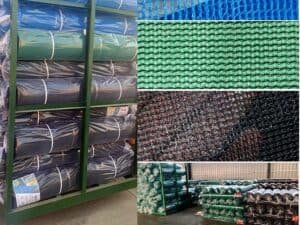
We have many types of debris netting:
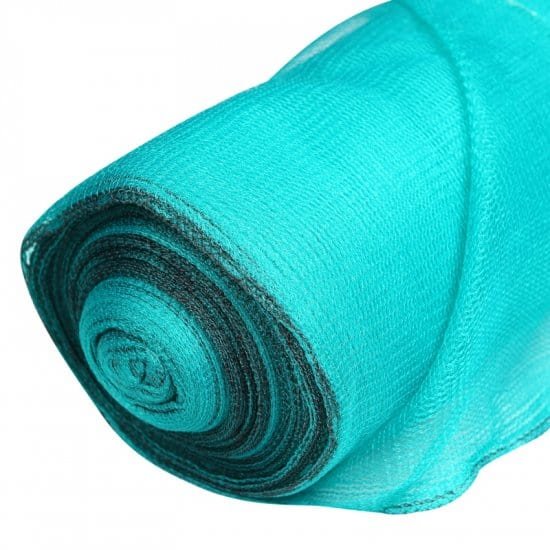
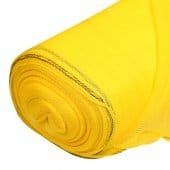
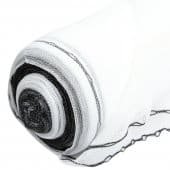

For top-quality debris netting, discover us – APAC Builders Equipment Co.,Ltd.
From small construction jobs to large industrial or commercial projects, we’ll meet and exceed your expectations with a reliable cost-effective service, giving you the benefit of more than 10 years in construction site safety business.

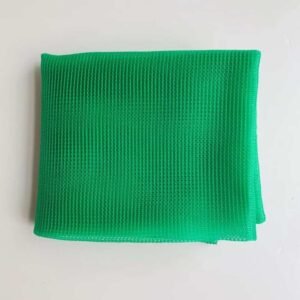
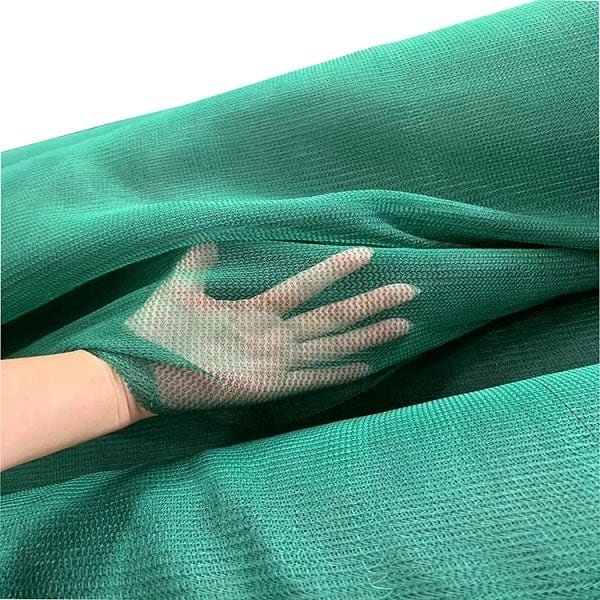

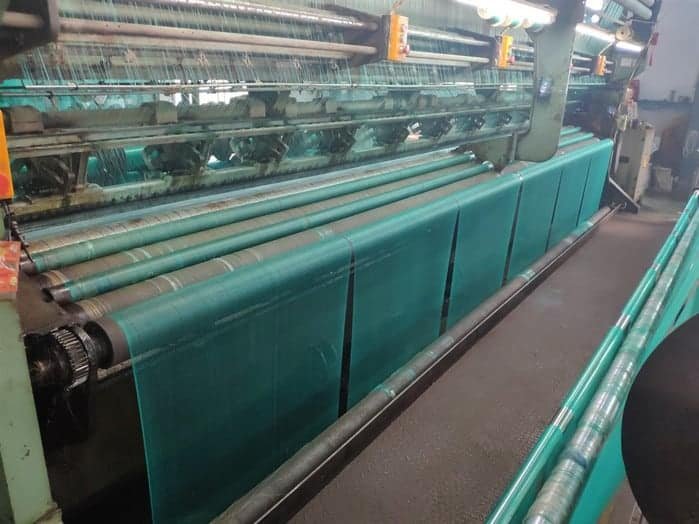

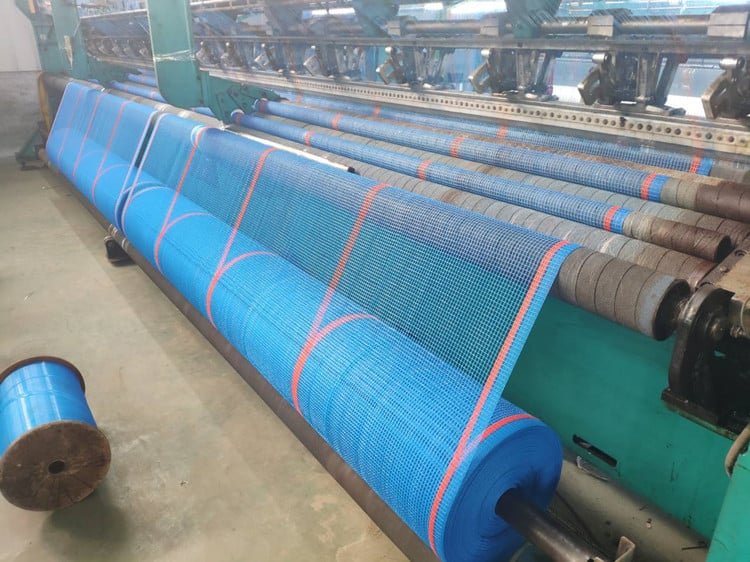
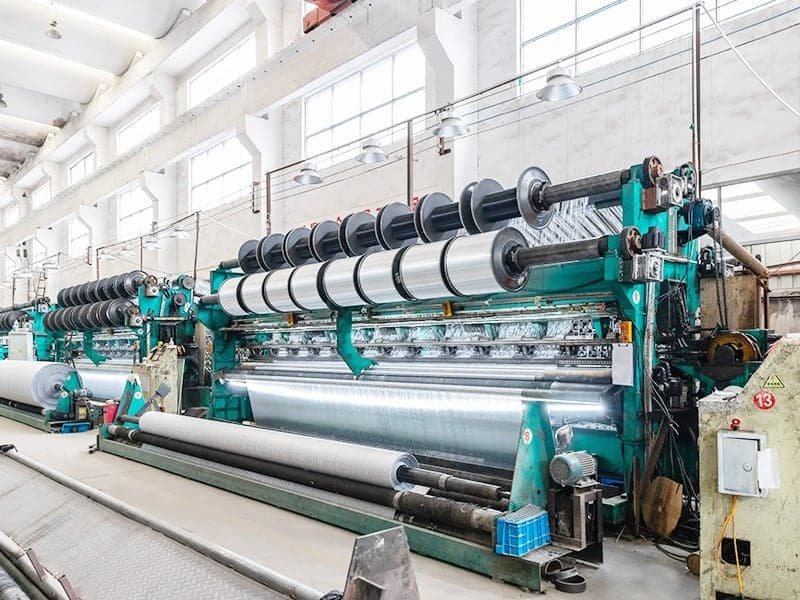
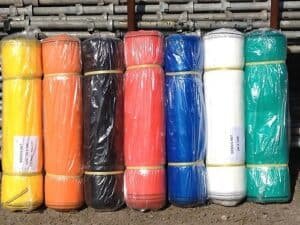
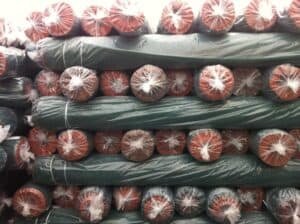
1) By Rolls +Poly bags
2) By packages + PE bag or wire wraped

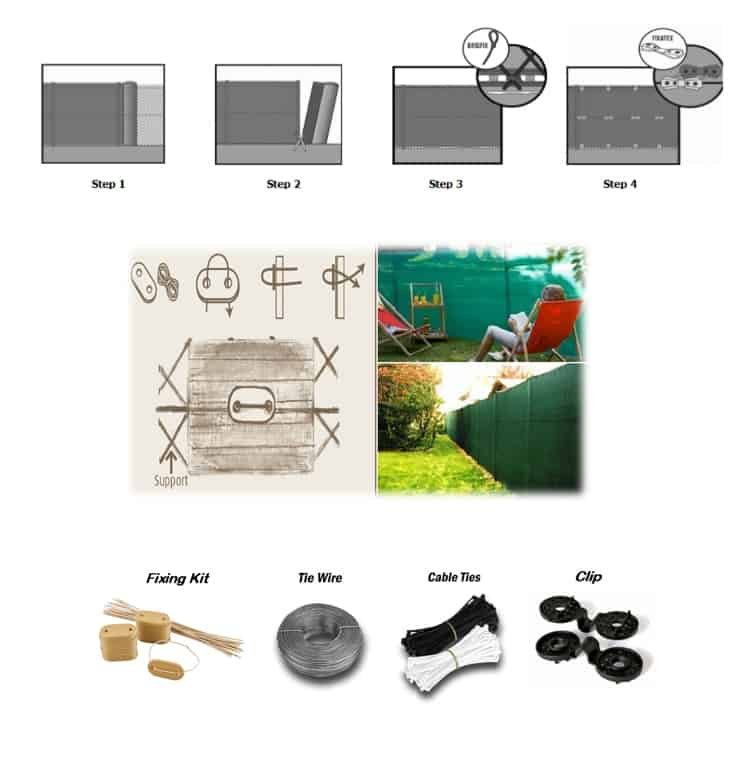
For securing the debris netting, we advise using cable ties for a long term fitting or our elasticated Bungee Ties for use where the netting will be erected and taken down on a regular basis.


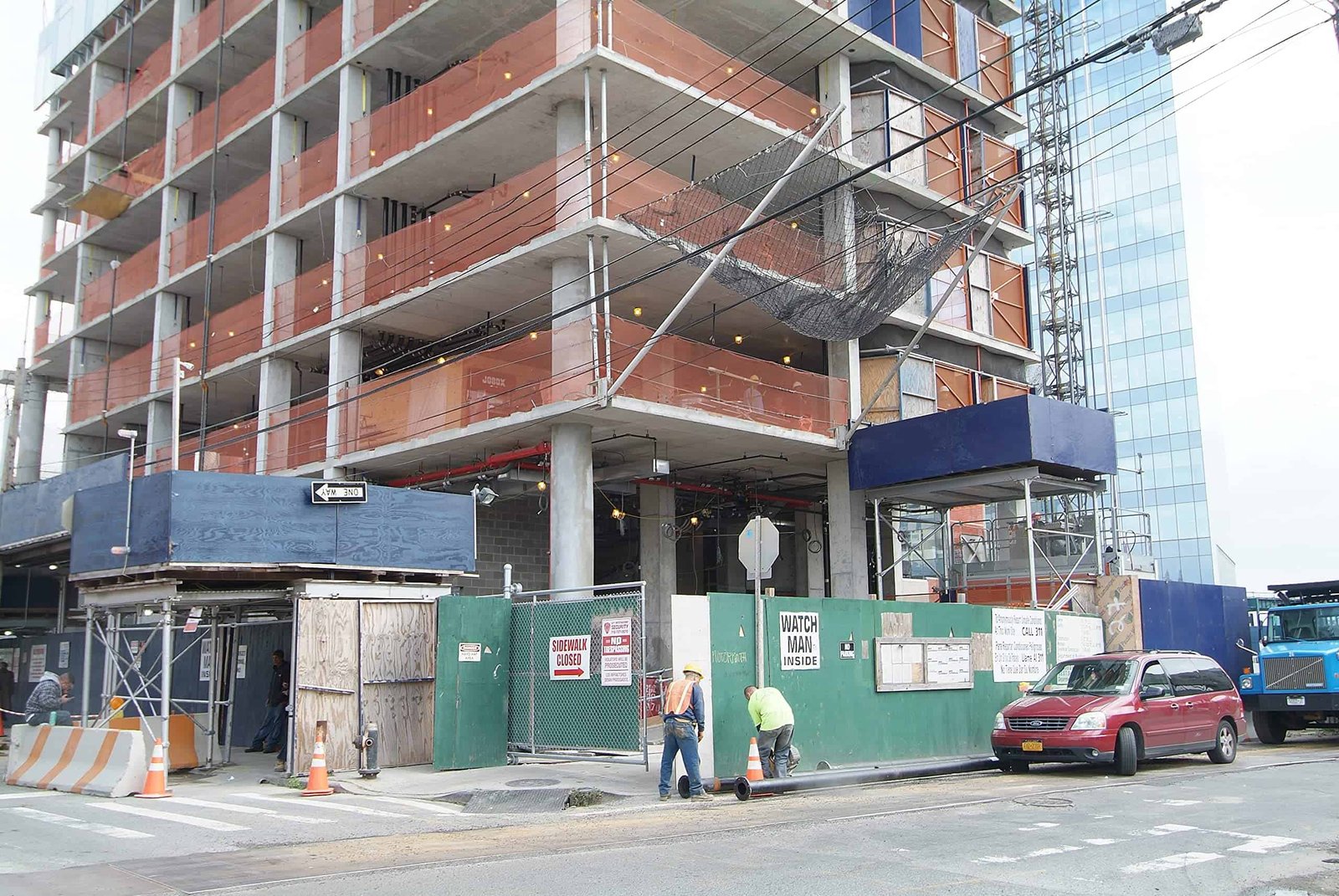
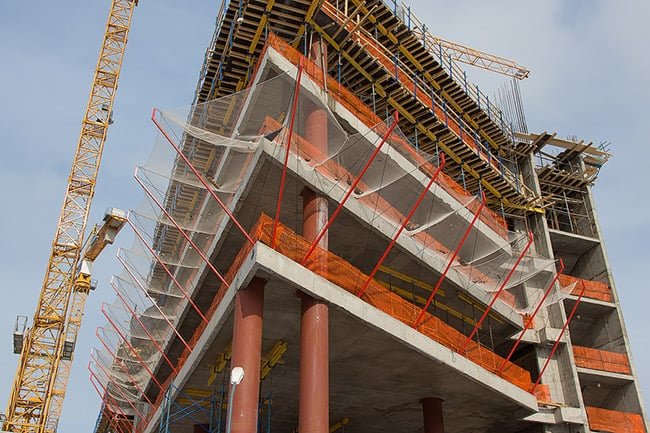

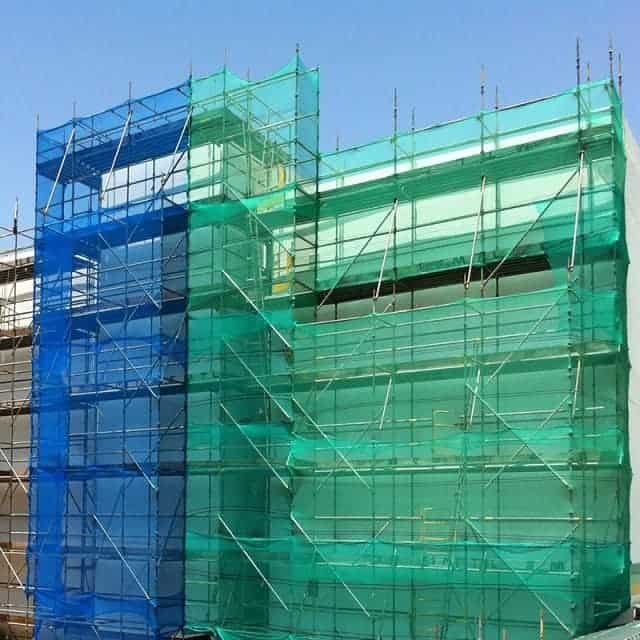
Debris nettings are used in construction sites to protect construction workers and pedestrians from the risk of falling debris. The debris nettings are featured with small mesh sizes so that the construction wastes cannot escape through the small holes.
They are also helpful to contain other construction materials, worker’s tools, or any falling object. The debris nettings are frequently used in renovation and rehabilitation works on buildings at elevated heights. Common application scope for debris netting can be utilized in demolition projects with high frequency and risk of falling debris.
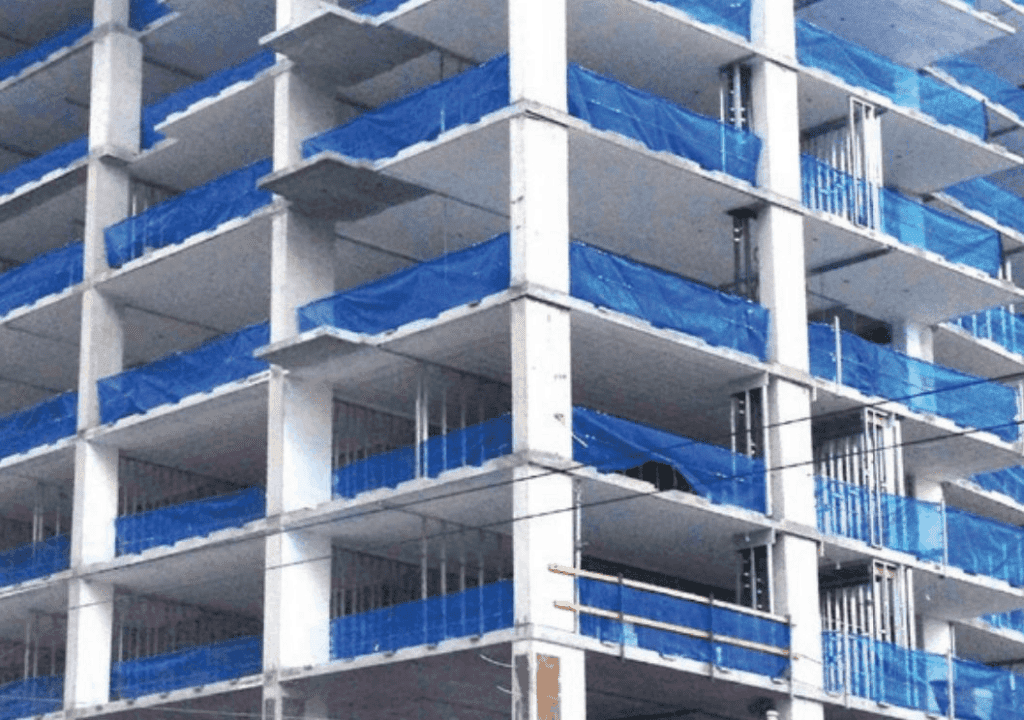
The common material used in manufacturing debris netting is HDPE or high-density polyethylene due to its unique and beneficial properties. The material is suitable to withstand heavy abuse against tear. This feature is very useful prominently because of how the shape of debris is shaped.
The debris has sharp edges that might damage the net after frequent use. Moreover, the net’s high-strength property helps prevent small to large-sized debris or other falling objects.
There are two methods of debris netting installation. You can either install them horizontally below a certain height to catch any falling scrap. Or you can install them vertically at the outer perimeter to stop any kinds of waste material from falling over.
You can use both these methods, but the vertical installation method at each edge perimeter is more suitable for buildings with open sides. Follow these steps for installation:

The benefits of debris nets are as follows:
According to the occupational health and safety standards, the vertical debris nets should maintain a minim height of 42”±3” with sufficient toeboard safety facility. For horizontal safety nets, you should install them with an extension of 8’ from the working perimeter.
There are no fixed requirements on the mesh size, but you need to use a smaller mesh size to catch be able to trap all kinds of debris. In general, you can find debris nets with mesh sizes of 1/16”, 5/32”, or 1/4″.
The debris nets are suitable to avoid bouncing off debris even if they fall from certain heights. When the debris falls on the net, it extends downwards due to its elastic nature. It gradually stops the falling in a slow effect, which helps to stop the chance of debris from bouncing off.
You can watch this video to understand how they perform.
If you need debris netting or safety nets, you’re looking for scaffolding solutions for a large new build project, whatever your requirements, here is our three-point promise.
Send the inquiry now, and contact APAC you can trust.

Need Help?