Safety Harnesses
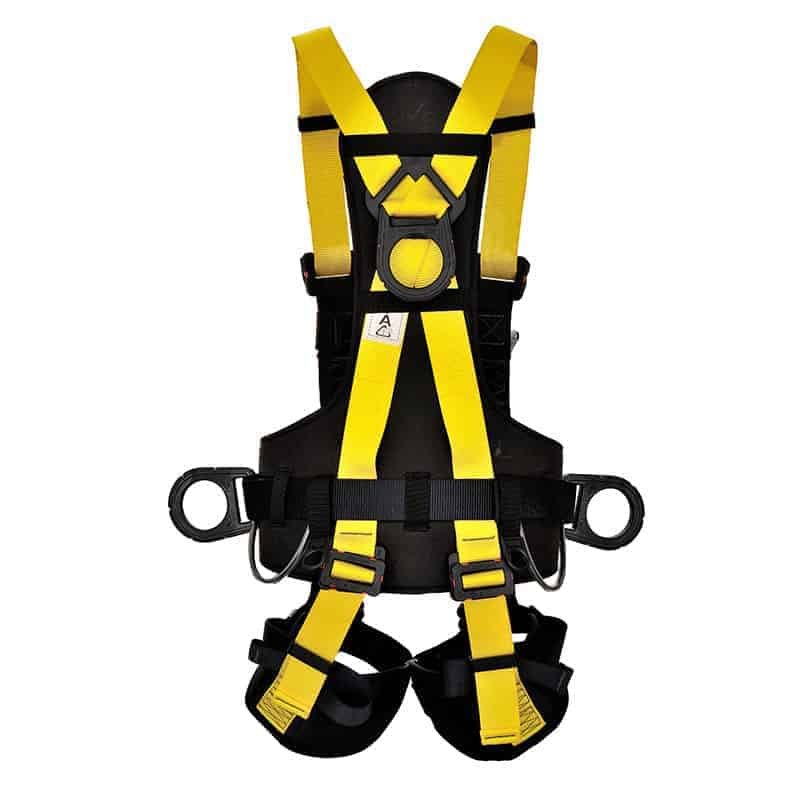
A strap secures an employee in a manner that distributes fall arrest forces to the thighs, pelvis, waist, chest, and shoulders.

Welcome To APAC BUILDERS EQUIPMENT

Welcome To APAC BUILDERS EQUIPMENT
A personal fall protection system is a set of PPE and safety components that prevents a worker from falling or arrests a fall safely if it happens when working at height.
Typical parts include:
At APAC, we have a variety of personal fall protection and fall arrest equipment and brands to ensure a safe and compliant work environment.
A strap secures an employee in a manner that distributes fall arrest forces to the thighs, pelvis, waist, chest, and shoulders.

A fall protection anchor acts as a base to attach your retractable or safety lanyard to when you’re working at height.
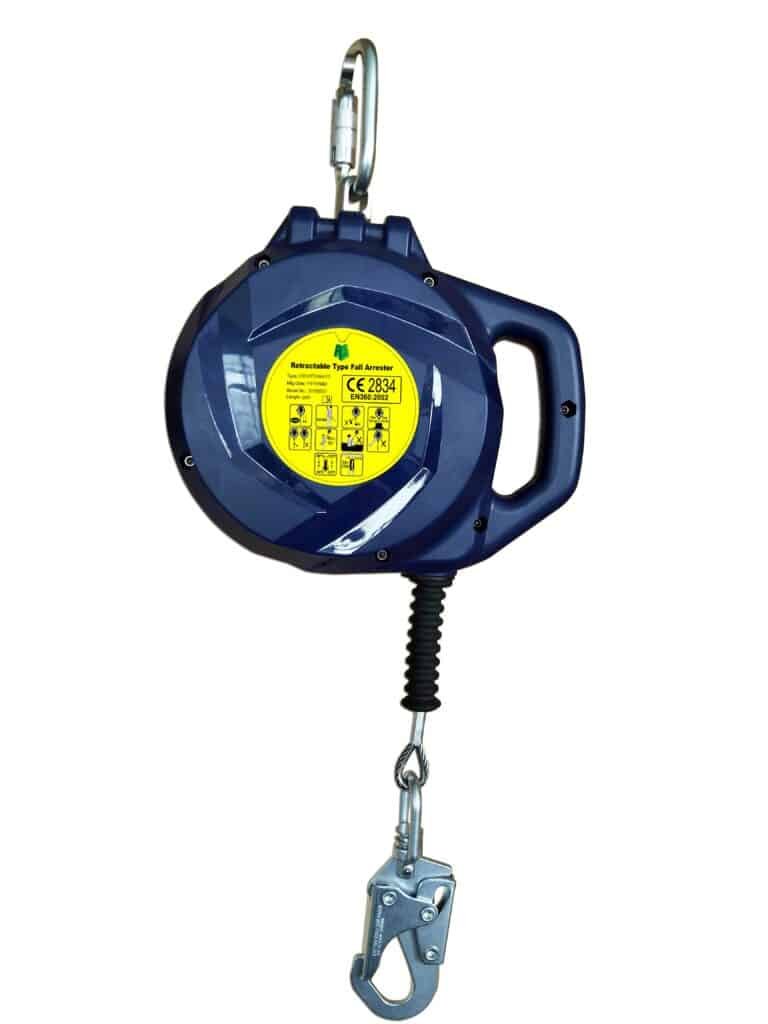
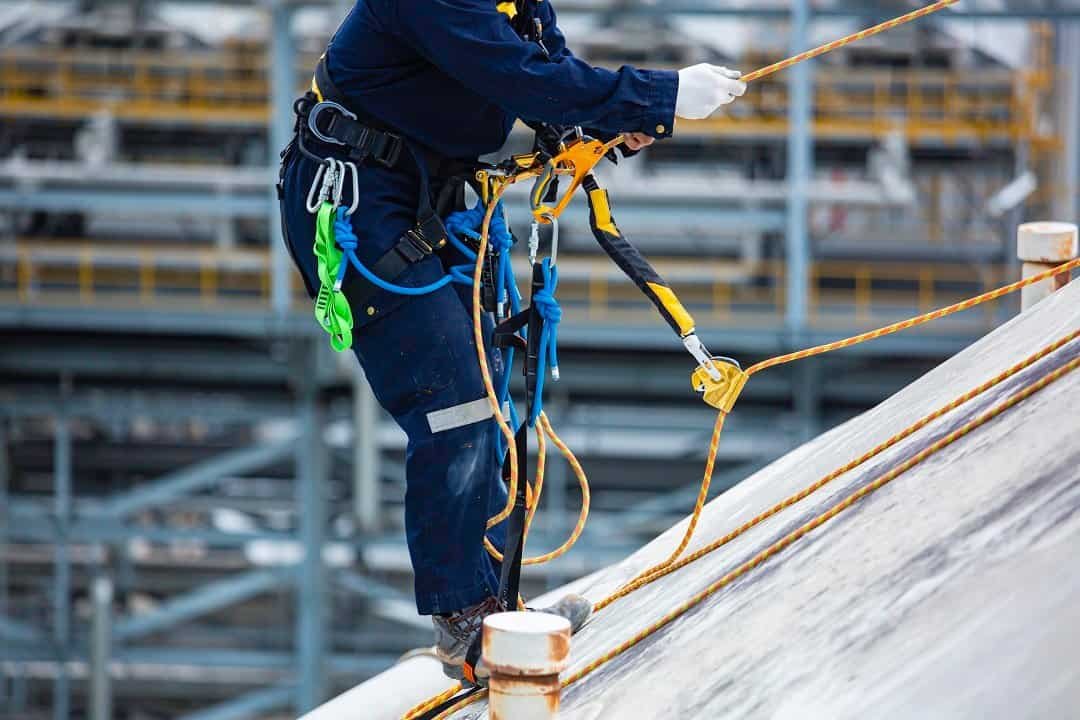
A synthetic or wire rope, rigged from one or more anchors, to which a worker’s lanyard or other part of a personal fall protection system is attached.

Lanyards are typically made from 3-foot to 6-foot lengths of synthetic webbing or rope, or wire rope, with attached connectors such as snaphooks, carabiners, or other devices.
All APAC Personal Fall protection equipment and safety products to protect people working at heights. Falls are a leading cause of workplace injuries.
Fall protection harnesses are an important piece of personal fall protection equipment, Safety harnesses are the most crucial piece of equipment for any work at height job. We provide the best selection of OSHA and ANSI-compliant safety harnesses to help you and your workers to get the job done and return home safely.
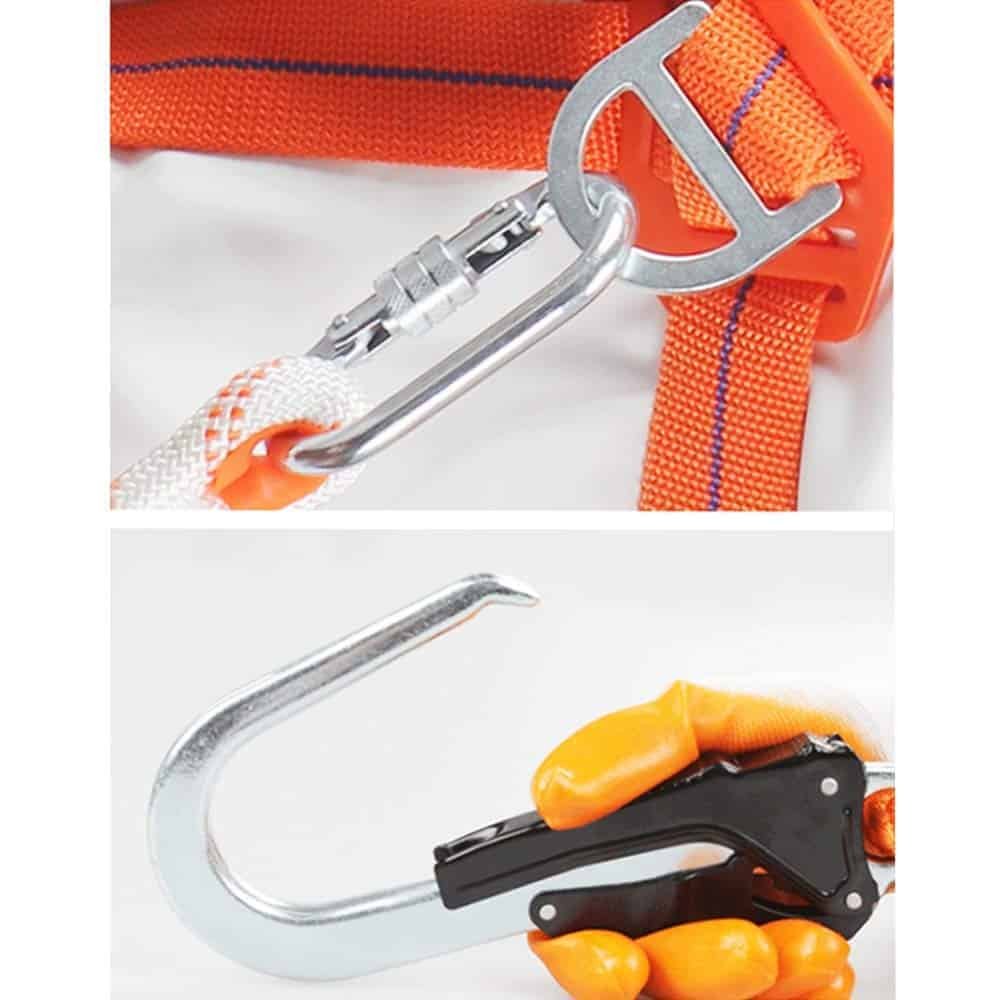
| Feature | 3 or 4 point adjustable |
| Material | 100% polyester; chrome metal |
| Color | customized color as your requirement |
| Webbing width | 45mm |
| Metal Fittings | Buckles, stamping D-ring |
| Strength | ≥23KN |
| Impact weight | 150 kg |
| Packing | Waterproof package |
| Application | Aerial work, construction protection etc |
| Certification | CE EN361 ISO9001:2008 GB6095-2009 |
APAC personal fall protection safety harnesses are designed to be lightweight, comfortable to wear, and reliable in real jobsite conditions. Most models are fully adjustable to fit different body shapes, helping teams issue gear faster with fewer sizing issues. Each harness is made from 100% polyester and typically features 3 or 4 adjustment points for a secure, stable fit.
The 45 mm chest strap with a chrome metal adjustable buckle can be adjusted up or down and stays in place during movement, reducing the risk of slippage. As a professional personal fall protection equipment supplier in China, APAC focuses on practical, job-ready designs that help protect workers from fall hazards when working at height.

APAC personal fall protection harnesses are designed for tough work-at-height use, with compliance-ready specs that make approvals and audits easier.
Because crews vary by size and job conditions, APAC helps you choose the right personal fall protection harness setup to fit the task—so you reduce wrong-gear issues, improve wearing compliance, and roll out faster on site.

Business Work
Countries Delivered
Contractors Served
Projects Supported
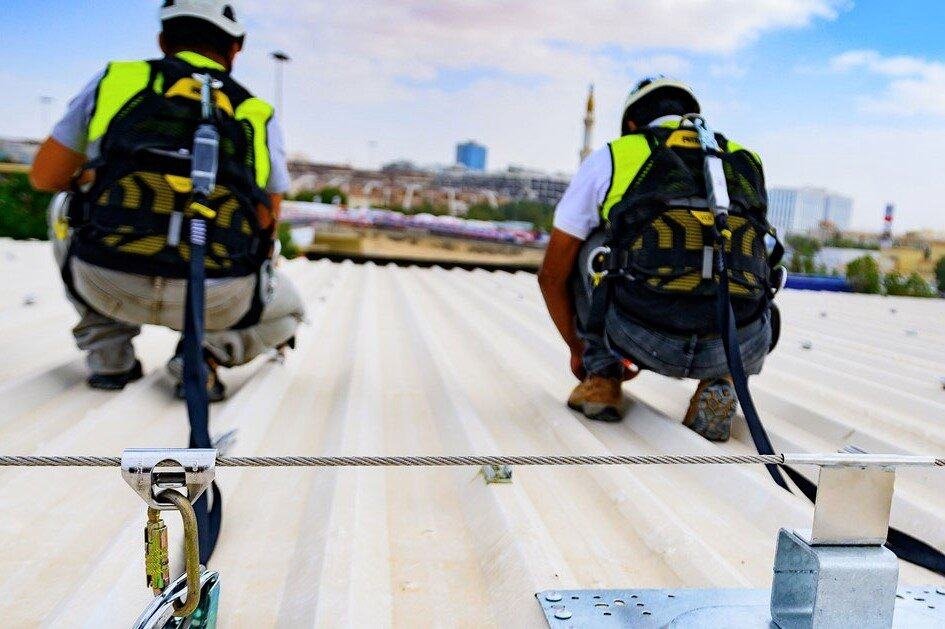
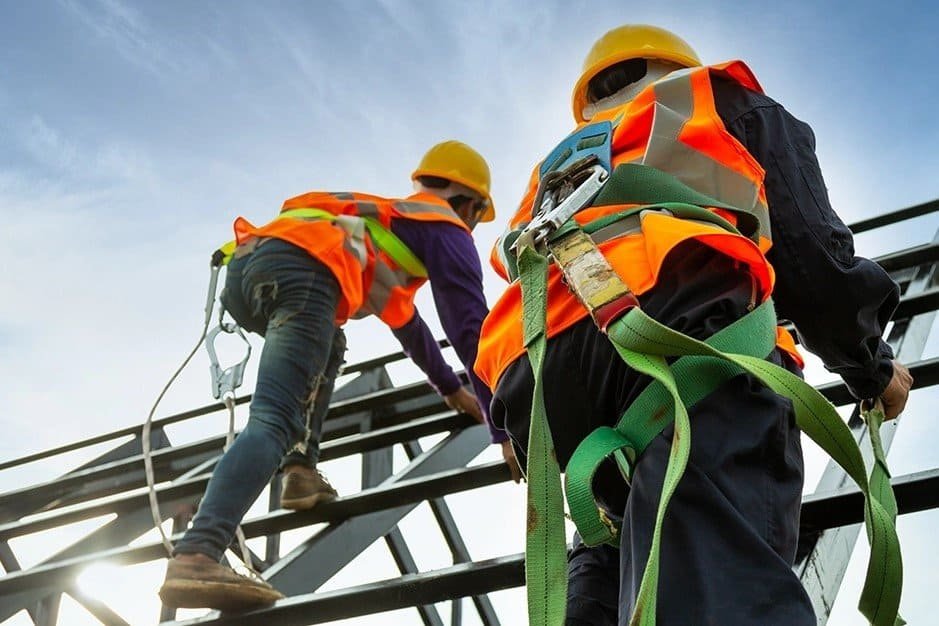
Personal fall protection is used wherever workers are exposed to fall hazards, including roof edges, steel erection, formwork and concrete frames, scaffolding access, MEWPs, ladders, and confined or elevated maintenance areas.
Trending FAQ
If you are a supplier, distributor, or construction company looking to buy personal fall protection equipment, you must go through this comprehensive FAQ guide.
The guide will resolve your queries regarding personal fall protection apparatus and also help you choose them wisely.
So let’s start it.
As we know, falls are a primary reason for workplace injuries and even death.
As a result, an employer must provide their employees with a solid fall protection solution.
Those who do not know, fall protection is a safety gear that holds a worker during a fall and prevents serious injuries.
In short, personal fall protection equipment keeps workers safe while working at heights.
You get a body harness, lanyards, and anchorage points with this safety kit.
As per the OSHA and various safety laws, an employer is accountable for providing personal fall protection to workers working on a pole or at a certain high point.
The personal fall protection system ensures that employees can work safely at an elevated point.
It prevents employees from falling from heights, and also decreases the impact of a fall if it happens.
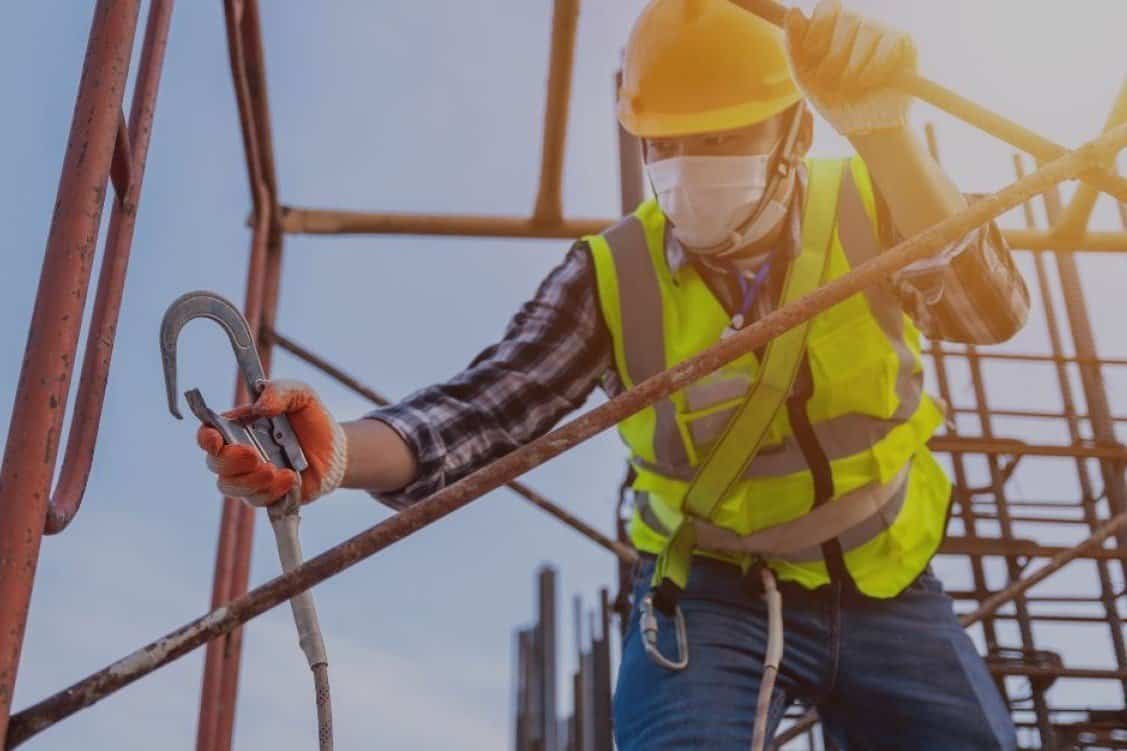
A fall protection system works by connecting a worker to a reliable anchorage point through a harness and connector, such as a lanyard or lifeline.
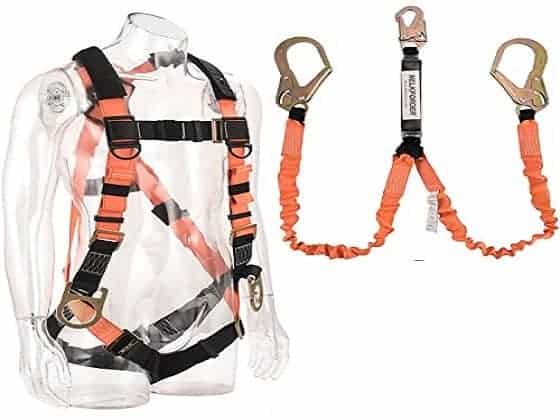
There are three major components of personal fall protection:
a) Full-Body Harness
The full-body harness wraps around a worker’s body and distributes fall arrest forces over the thighs, pelvis, chest, shoulders and back.

b) Lanyard
A lanyard connects the worker’s harness to an anchorage point. It can be a rope, webbing, or wire rope connector.

c) Anchorage
An anchorage is the secure point where the personal fall protection system is attached.

Nowadays, personal fall protection devices are available in a variety of types.
Therefore, you can choose them according to your budget and requirements.
A few common personal fall protection types include:
a) Fall Arrest
If your employees are working at height, they must wear a fall arrest system. It is like first-line protection for your employees.
Usually, a fall arrest system contains a full-body harness, anchor point, and lanyard as a connector.
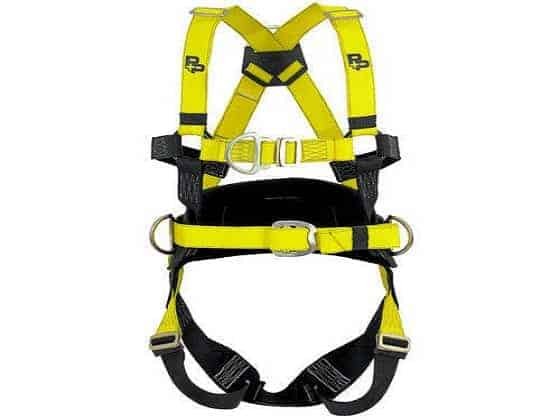
b) Positioning
Positioning equipment helps keep workers in the correct position while working at height.

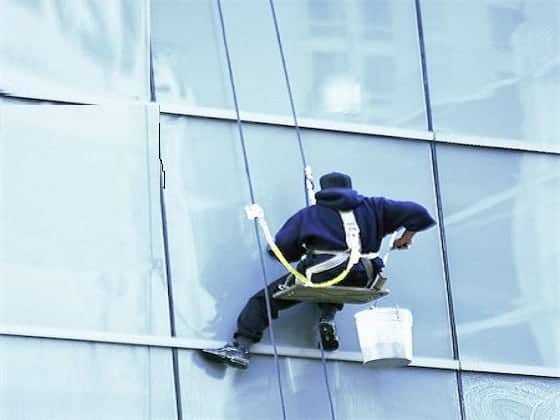
c) Suspension
Suspension equipment supports workers while they perform tasks in a suspended working position.
d) Retrieval
Retrieval systems help rescue workers after a fall or during confined space work.

Personal fall protection equipment is usually made from high-strength polyester, nylon, alloy steel, forged steel, and other durable materials.
The material should resist abrasion, corrosion, and working-site wear while maintaining reliable load-bearing performance.
OSHA-compliant personal fall protection equipment is designed and used according to OSHA fall protection requirements.
It should include suitable anchorage, body support and connecting devices, and must be inspected and used properly before work begins.
Inspection is vital to ensure safety.
A construction company should hire a professional to inspect fall protection equipment regularly.
It helps to learn the wear and tear and other issues with a personal fall protection kit.
If you doubt the quality of PFP, remove it from service immediately.

a) Read Manufacturer’s Instructions
Check the date of manufacturing and product label carefully.
The construction company must make certain that its workers are following the manufacturer’s instructions for using and wearing the PFP.
b) Examine Stitching
Don’t use personal fall protection that has pulled stitches or torn webbings.
c) Rope Lanyards
Check out the whole lanyard.
Make sure it doesn’t have broken strands.
Twist the rope slightly to check the rope breakage.
d) Check All Metal Parts
You should check all the metal parts such as D-rings for sharp edges.
If you see any sign of rust on metal parts, replace them.
Note:
Don’t use damaged personal fall protection at any cost as it may cause injury.
Personal fall protection equipment protects workers from serious injury and helps companies comply with workplace safety requirements.
It also reduces downtime, accident-related costs, and project risk when crews work at height.
Choose personal fall protection equipment by checking material strength, certification, compatibility, adjustability, comfort, inspection records, and supplier reliability.
The right equipment should match the working height, anchor condition, worker movement, and fall clearance requirement.
A reliable supplier should provide clear product specifications, compliance documents, quality control records, production capability, and responsive technical support.
They should also help you confirm the right harness, lanyard, lifeline, and anchor combination for your actual jobsite conditions.
Common quality references include OSHA, ANSI, CE EN361, CE2292, EN1677-2:2000 and related work-at-height safety requirements.
For purchasing, always check the standard required by your local market and project owner.
To set up a personal fall protection system accurately, confirm the anchorage point, connect the harness and lanyard or lifeline correctly, check fall clearance, and inspect all parts before use.
Workers should follow manufacturer instructions and receive proper training before working at height.
The service life of personal fall protection depends on material, frequency of use, storage condition, exposure, and inspection results.
If the equipment shows damage, corrosion, broken stitching, pulled webbing, or has been involved in a fall, it should be removed from service immediately.
The weight capacity depends on the specific harness, lanyard, lifeline and anchor design.
Always confirm the rated capacity on the product label and technical datasheet before use.
To buy personal fall protection, confirm your working scenario, required standards, user weight range, anchor type, connector length, required quantity and destination.
Send these details to APAC, and our team will help you choose a suitable fall protection solution.
"APAC’s personal fall protection kits arrived complete and clearly labeled, so our team could issue gear fast without chasing missing parts. It helped us close out pre-start checks quicker and keep work at height moving."
HSE Manager
"We needed personal fall protection that rental customers wouldn’t misuse. The spec sheet and sizing guidance were clear, and the equipment has held up well through repeat hires—fewer returns, fewer complaints."
Procurement Lead
"On steel frame weeks, the biggest risk is delays from safety non-compliance. Their personal fall protection support made approvals smoother and reduced back-and-forth with our safety team."
Project Manager
Send us your personal fall protection requirements, including harness type, lanyard or lifeline, anchor point, standard requirement, quantity and destination. Our team will help you confirm a suitable solution.