

Introduction
Ever walked past a construction site and noticed that bright orange fence?
It’s not just there for looks.
Orange safety fencing is a simple but critical part of temporary site safety. It helps:
Mark hazardous or restricted areas
Guide pedestrians and vehicles
Control crowds at events
Protect workers and the public from entering dangerous zones
In this guide, we’ll explain what orange safety fences are, the materials and specifications, where and how they’re used, and how to select, install, and maintain the right product for your project.
What Is an Orange Safety Fence, and Why Is It So Widely Used?
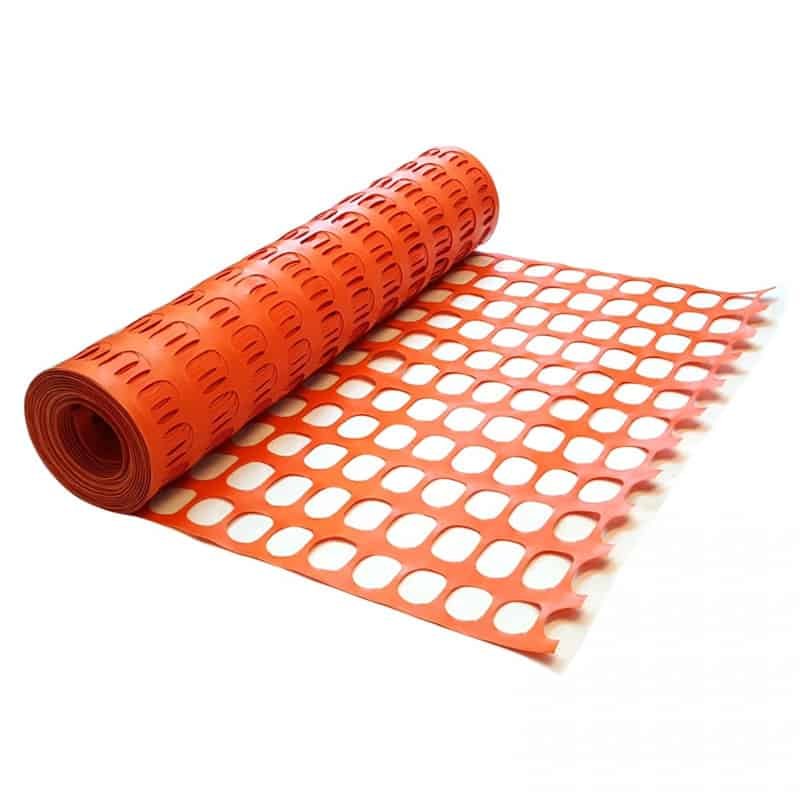
An orange safety fence is a temporary barrier, usually made from plastic mesh, designed to be:
Highly visible – the bright orange color acts as a clear visual warning
Lightweight and easy to handle – quick to install and remove
Weather-resistant – suitable for outdoor use over a defined period
Orange is used because it:
Stands out against most backgrounds (soil, grass, concrete, snow)
Is widely recognized as a warning or caution color in construction and traffic control
Can be easily seen from a distance and in low-light conditions
In practice, orange safety fencing is often the first line of defense that signals:
“Do not enter – work in progress, hazards ahead, or restricted access.”
Types of Orange Safety Fence Materials & Specifications
Understanding the different types can help you choose the best fence for your needs:
Materials: Typically made from high-density polyethylene (HDPE) or polypropylene, which are durable and UV-resistant.
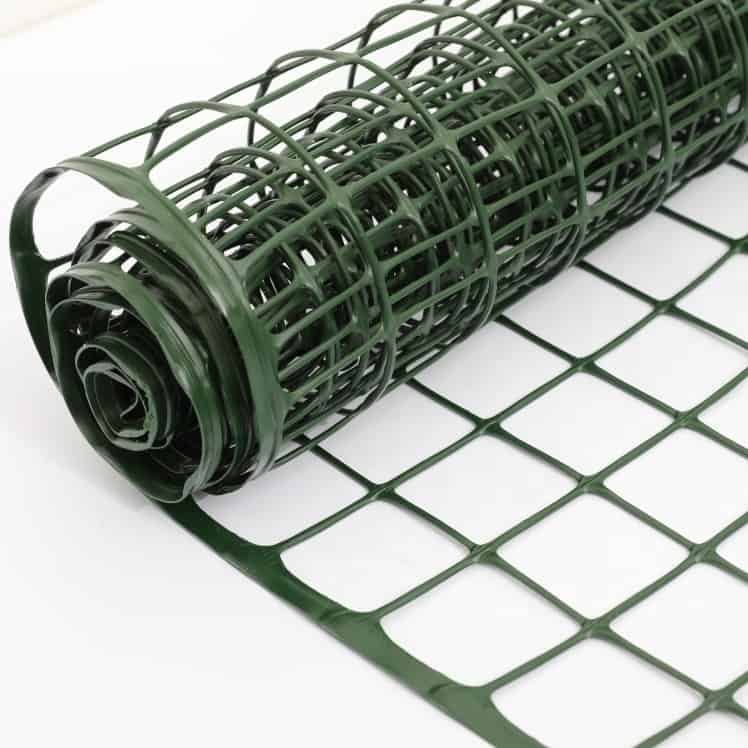
Mesh Design: Comes in various patterns like diamond or rectangular shapes, affecting visibility and strength.
Dimensions: Common sizes include 4 feet in height and lengths ranging from 50 to 100 feet per roll.
Benefits of Using Orange Safety Fence
There are several advantages to using these fences:
High Visibility: The bright orange color ensures they’re easily seen, reducing accidents.
Durability: Made from robust materials that withstand various weather conditions.
Ease of Installation: Lightweight and flexible, making setup and removal straightforward.
Cost-Effective: An affordable solution for temporary barriers without compromising safety.
Main Use Cases of Orange Safety Fencing
These fences are versatile and serve multiple purposes:
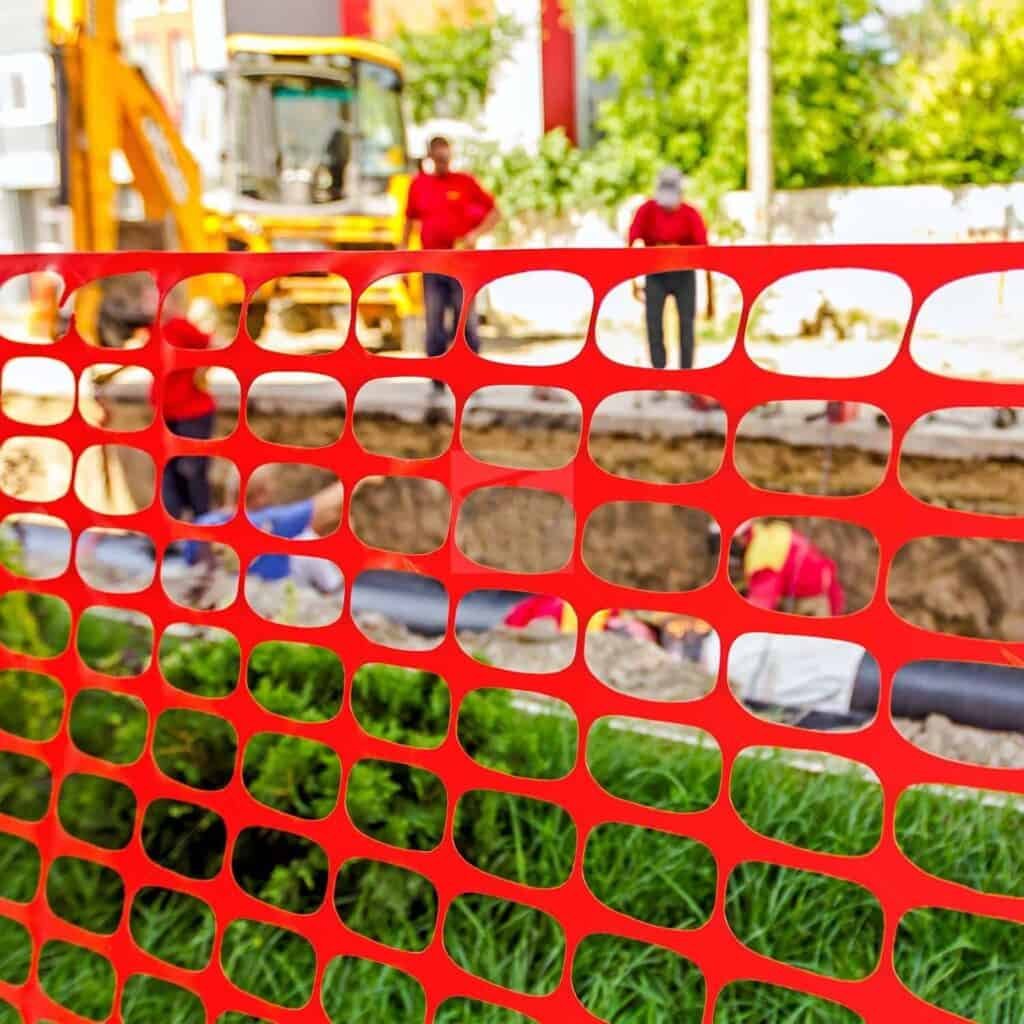
Construction Sites: They mark boundaries to keep unauthorized individuals out and protect workers.
Public Events: Useful for crowd control, guiding attendees, and restricting access to certain areas.
Snow Fencing: Helps manage snowdrifts and keeps pathways clear during winter.
Hazardous Zones: Indicates areas with potential dangers, ensuring public safety.

How to Choose the Right Fence for Your Needs
Selecting the appropriate fence depends on your specific requirements:
Purpose: Determine if it’s for crowd control, construction, or snow management.
Material Strength: For areas with harsh weather, opt for heavy-duty options.
Mesh Size: Smaller mesh sizes prevent debris or small animals from passing through.
Compliance: Ensure the fence meets local safety regulations and standards.
Where to Buy Orange Safety Fence: Best Retailers Compared
Several retailers offer quality orange safety fences:
Home Depot: Offers products like the Tenax 4 ft. x 100 ft. Orange Guardian Safety Barrier Fence.
Menards: Provides options such as the 4′ x 100′ Orange Snow/Safety Fence.
Construction Plastic Supply: Supplies economical fences suitable for various applications.
When choosing a retailer, consider factors like product specifications, customer reviews, and availability.
Renting vs. Buying: What’s Best for Your Project?
Deciding between renting or buying depends on:
Project Duration: Short-term projects might benefit from rentals.
Budget: Renting can be cost-effective for temporary needs, while purchasing is better for long-term use.
Storage: If you lack storage space post-project, renting avoids the need to store the fence.
Local Suppliers and Installation Services
Finding local suppliers can be advantageous:
Convenience: Easier logistics and potential cost savings on shipping
Support: Local suppliers may offer installation services and quicker support.
Compliance: They are likely familiar with local regulations, ensuring your fence meets necessary standards.
Installation Guide: How to Set Up Your Orange Safety Fence
Proper installation ensures that the fence is not only visible but also functional and stable.
Step 1: Plan the Layout
Define the area to be enclosed or marked.
Identify entry/exit points (gates or openings).
Check for underground services before driving posts.
Step 2: Install Support Posts
Place posts at regular intervals: typically 6–8 ft (1.8–2.4 m) apart.
Common post options:
Steel T-posts
Timber stakes
Heavy-duty plastic posts
Drive posts deep enough to withstand wind loads and accidental contact.
Step 3: Attach the Fence
Unroll the mesh along the line of posts.
Fix the top edge first using:
Zip ties
Wire
Purpose-made clips
Add additional ties at mid-height and near the bottom for extra stability.
Step 4: Maintain Tension & Stability
Keep the mesh reasonably taut to avoid sagging.
At corners, wrap the fence around the post and secure it firmly.
For windy or high-traffic areas, consider:
Closer post spacing
Heavier-duty mesh
Additional guying or bracing
Step 5: Inspect Regularly
Check after strong winds, heavy use, or impact.
Repair or replace damaged sections promptly.
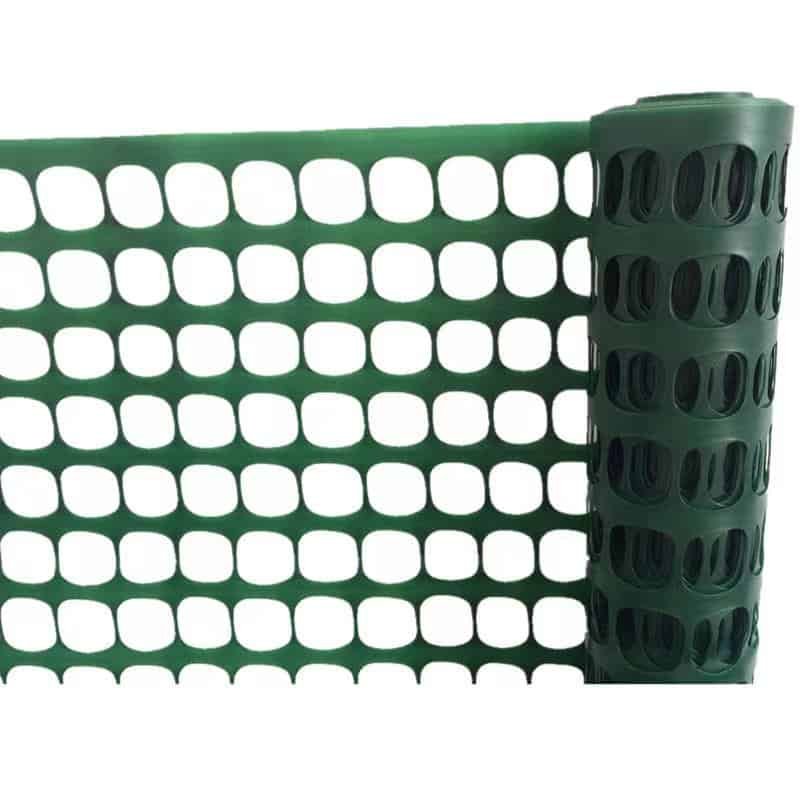
Orange Fence vs. Other Safety Fence Colors
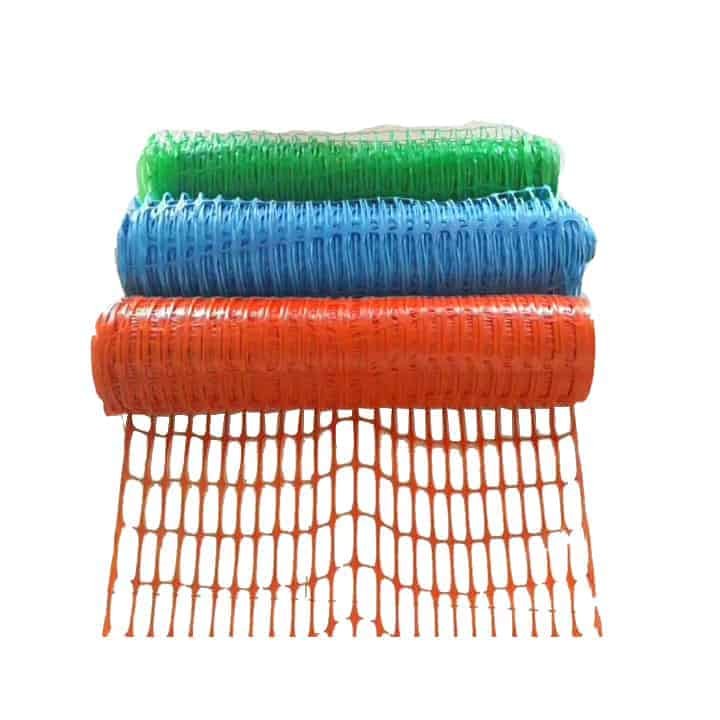
While orange is the standard for safety fences due to its high visibility, other colors serve different purposes:
Green: Often used in landscaping to blend with the environment.
Yellow: Indicates caution but is less commonly used for fencing.
Blue: Typically signifies information or points of interest.
Choosing the right color depends on the intended message and visibility requirements.
Frequently Asked Questions About Orange Safety Fence (FAQ)
Why is orange used for safety fences?
Orange is highly visible and universally recognized as a warning color, making it effective for safety applications.
Can I use orange fencing for snow?
Yes, orange safety fences are often used as snow fences to control snowdrifts and maintain clear pathways.
Is orange fencing OSHA-approved?
While OSHA doesn’t specify fence colors, orange is commonly used to meet safety standards due to its visibility.
How long does plastic safety fencing last?
With proper care, these fences can last several years, depending on environmental conditions and usage.
How much does it cost per roll?
Prices vary based on quality and size, but generally, a 4 ft. x 100 ft. roll ranges from $20 to $50.
Can I reuse orange fencing?
Yes, if the fence remains undamaged after use, it can be rolled up and stored for future projects.
Visual Gallery and Real-Life Applications
Seeing these fences in action can provide better insight:
Construction Sites: Marking hazardous areas to prevent unauthorized access.
Public Events: Guiding crowds and delineating restricted zones.
Snow Management: Placed along roadsides to reduce snow accumulation on pathways.
Conclusion: Choose the Right Orange Fence to Stay Safe, Compliant & Cost-Effective
Orange safety fences are essential tools for ensuring safety and organization in various settings. By understanding their uses, benefits, and installation processes, you can select the right fence to meet your specific needs, ensuring both safety and compliance.



 EN
EN  SV
SV  IT
IT  AR
AR  DE
DE  FR
FR  ES
ES  FI
FI  ET
ET  RU
RU