Welcome To APAC BUILDERS EQUIPMENT

pedestrian barrier

galvanised pedestrian barriers

what is Pedestrian barrier

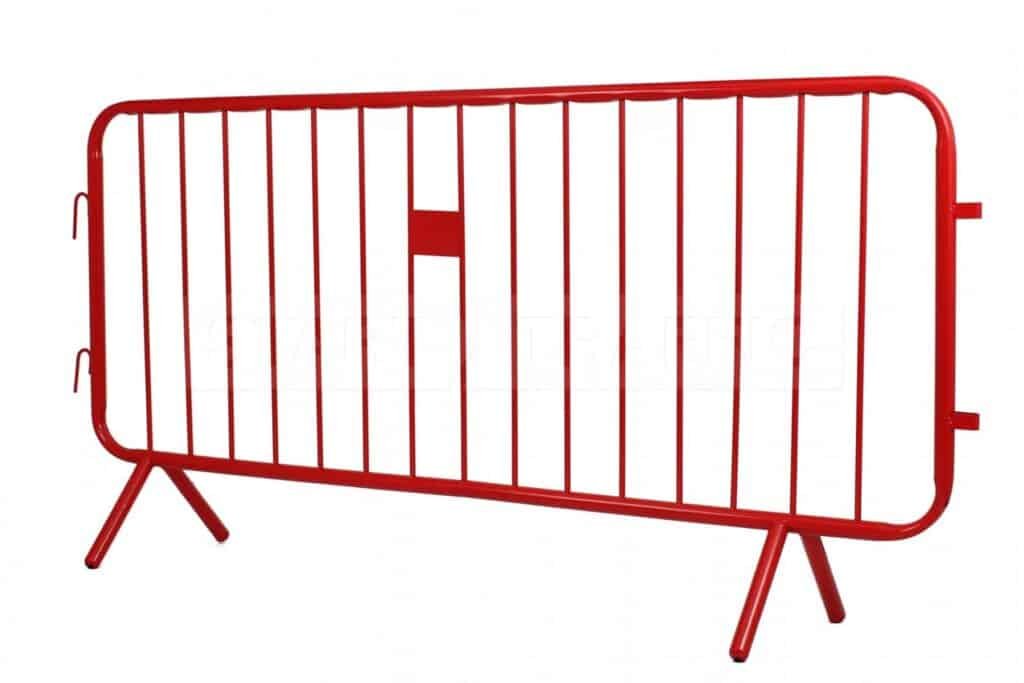
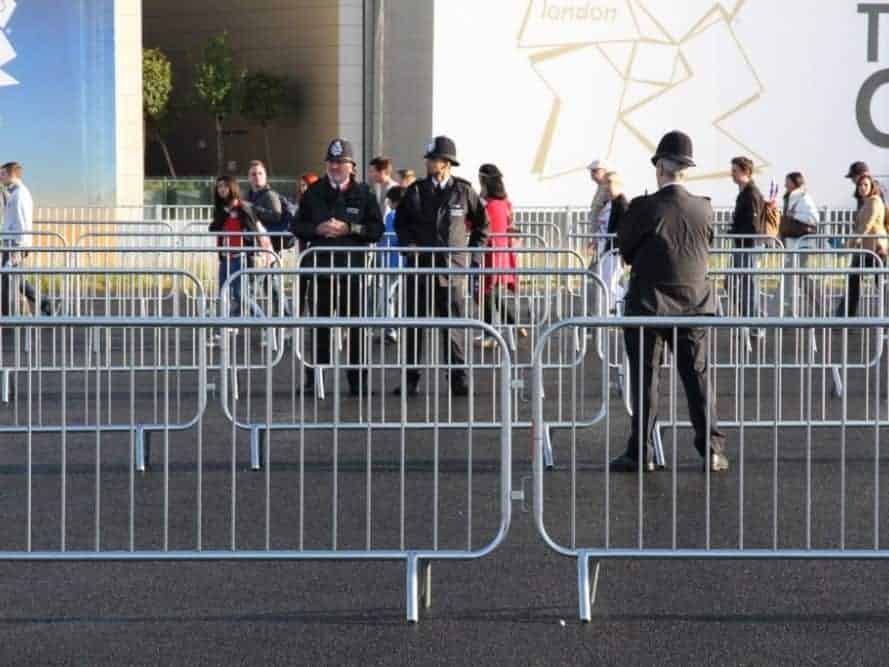
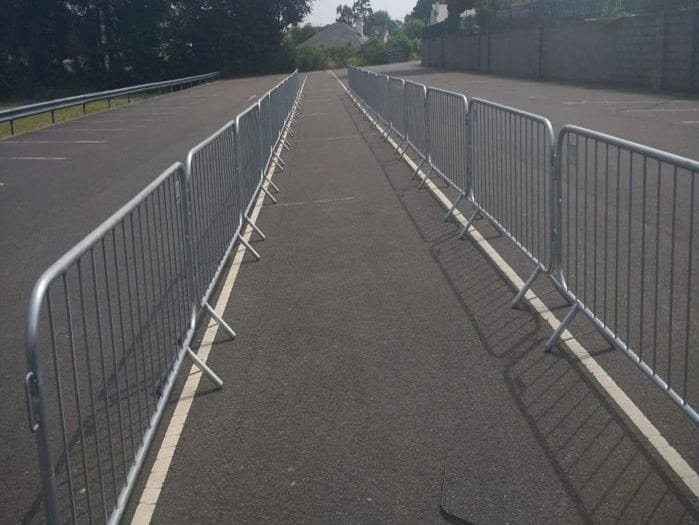
Pedestrian barriers are also known as crowd control barriers, crowd control fencing, removable barriers, barricades, portable fences, and so on. You can use them to create fast and efficient barrier protection to divert or keep the public away from a designated area, avoiding potential dangers.

Different types of pedestrian Barrier for you

Crowd control barrier is designed to meet the required safety standard to govern large public events. It has a much smaller scale and can be linked together to form a small barrier for any area, to which access is forbidden.

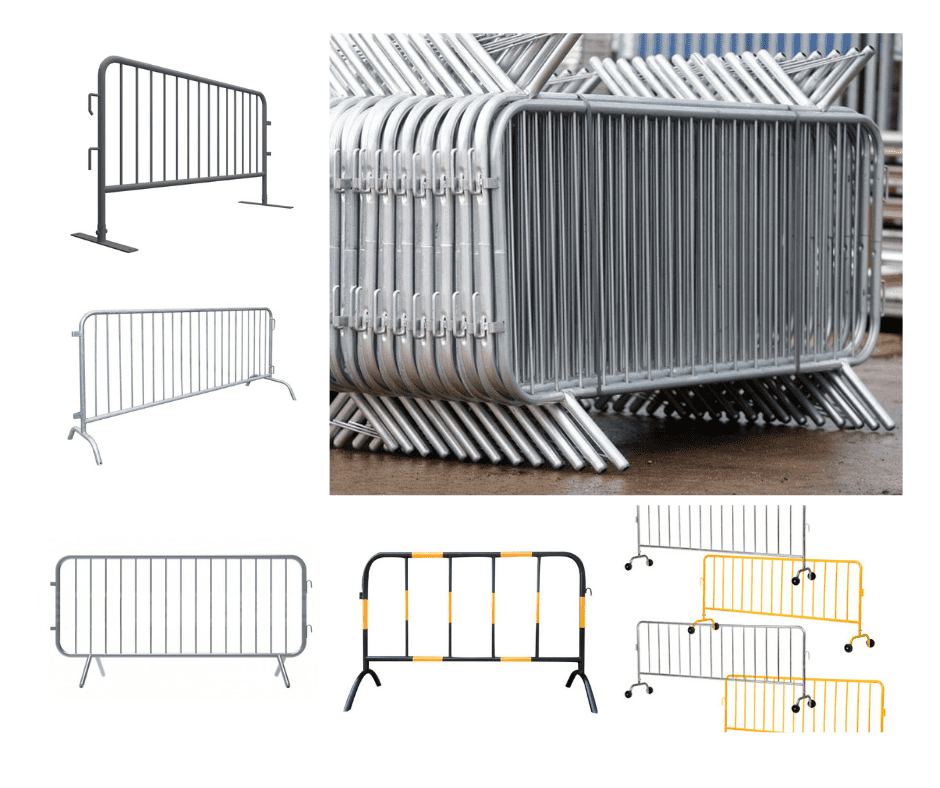
To help you choose the right option for your site and surface conditions, we offer several barrier styles below—each suited to a different setup scenario and stability need.

Pedestrian Barrier

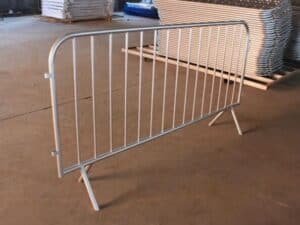
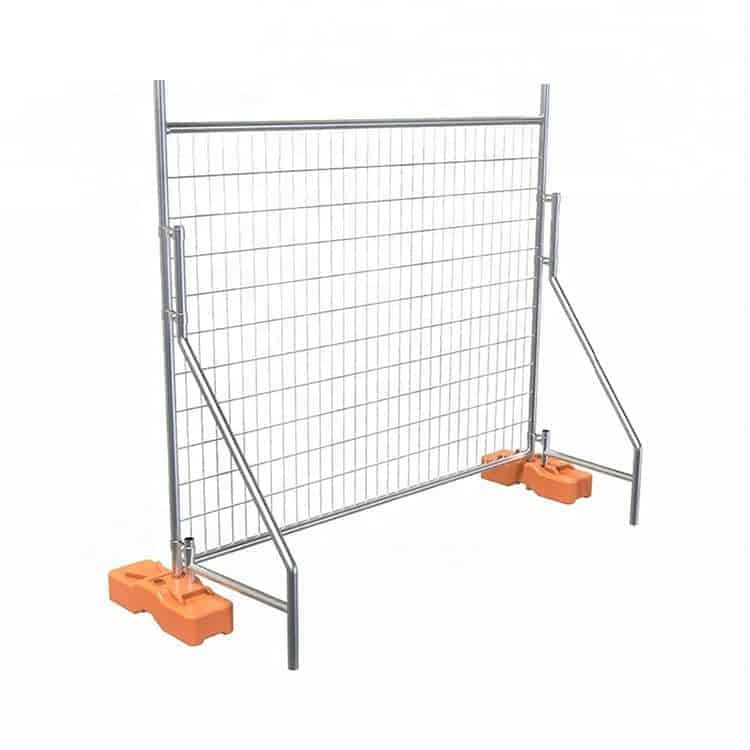
crowded control barrier-fixed leg

The fixed-leg crowd control barriers do not require any additional accessories and can even handle uneven terrain.

Heavy Duty galvanised pedestrian barrier

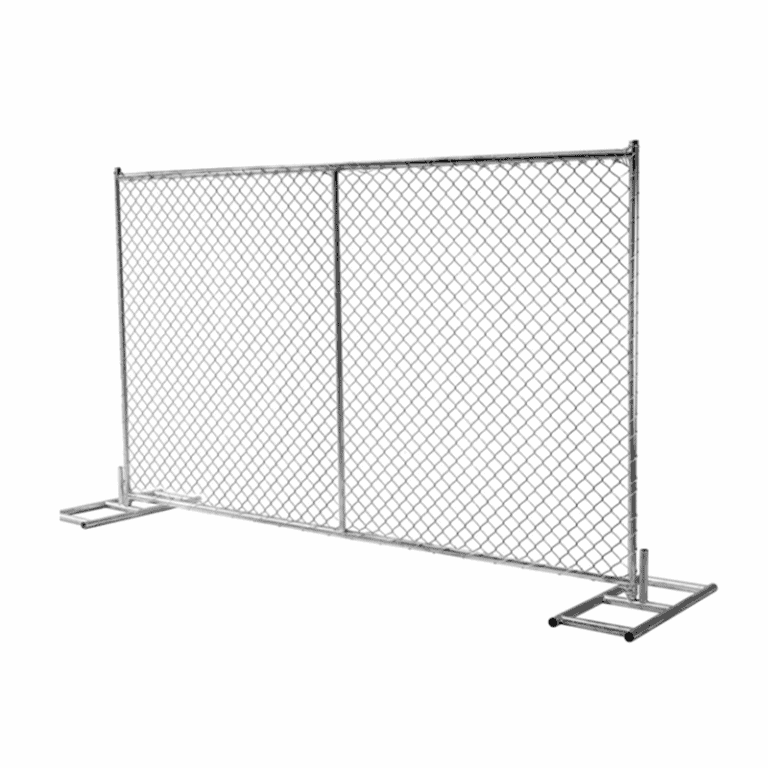
crowded control barrier-flat leg

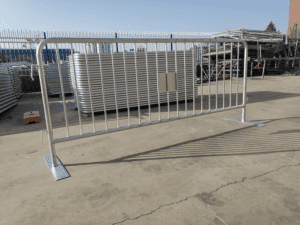
The flat-leg crowd control pedestrian barriers are more suitable for the flat surface and flexible to move.

galvanised Crowd Control pedestrian barrier

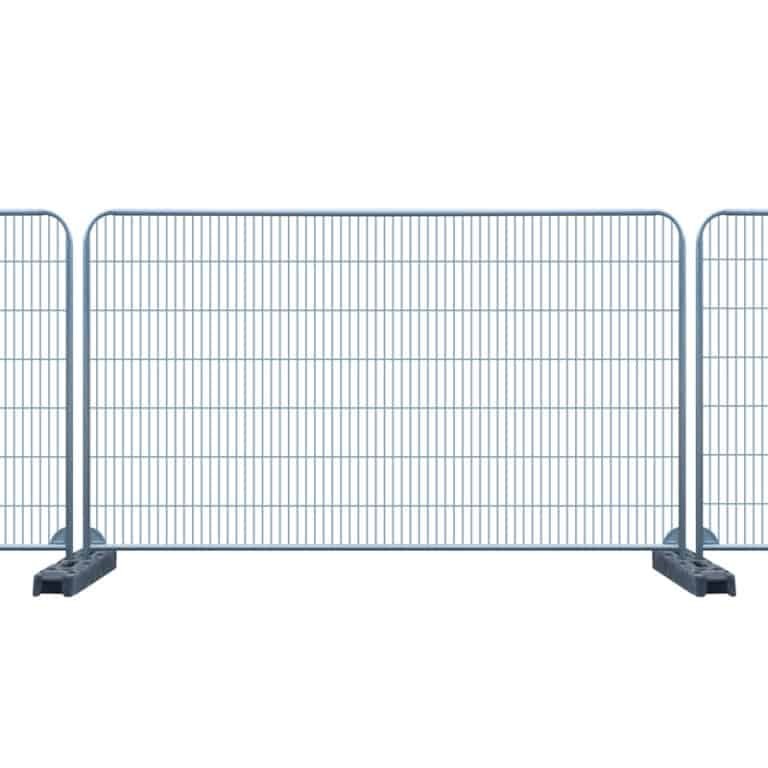
crowded control barrier-bridge leg

The bridge-leg crowd control barriers provide visible segregation, and are quick and easy to install in any location. 

More details about APAC pedestrian Barriers

Trusted by contractors worldwide

Business Work
0 +
Countries Delivered
0 +
Contractors Served
0 +
Projects supported
0 +

Why Choose APAC pedestrian barrier

APAC pedestrian barriers are built for fast deployment, reliable crowd guidance, and repeatable site control—with clear configuration options so you can match strength, spacing, and finish to your project requirements.

Configurable specs that fit your job

Choose the panel size and tube spec that matches your traffic density, handling method, and durability target—so you don’t overbuy or under-spec.

  • Panel sizes (mm): 914×2400 / 1090×2000 / 1090×2010 / 940×2500

  • Frame tube OD (mm): 20 / 25 / 32 / 40 / 42

  • Frame thickness (mm): 1.2 / 1.5 / 1.8 / 2.0

  • Infill tube OD (mm): 12 / 14 / 16 / 20

  • Tube spacing (mm): 100 / 120 / 190 / 200

Finishes that hold up on busy sites

Pick the coating based on the environment and appearance requirements—so barriers stay presentable and corrosion risk is controlled.

  • Hot-dip galvanized option for long outdoor cycles

  • Powder coated after welded option for clean visual lines and branding needs

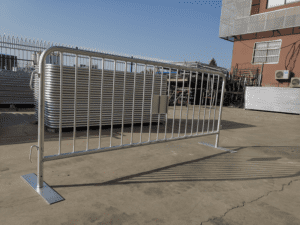
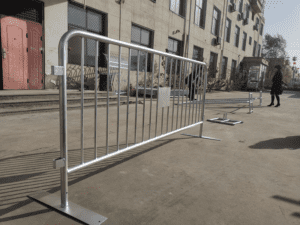
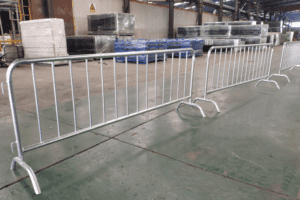
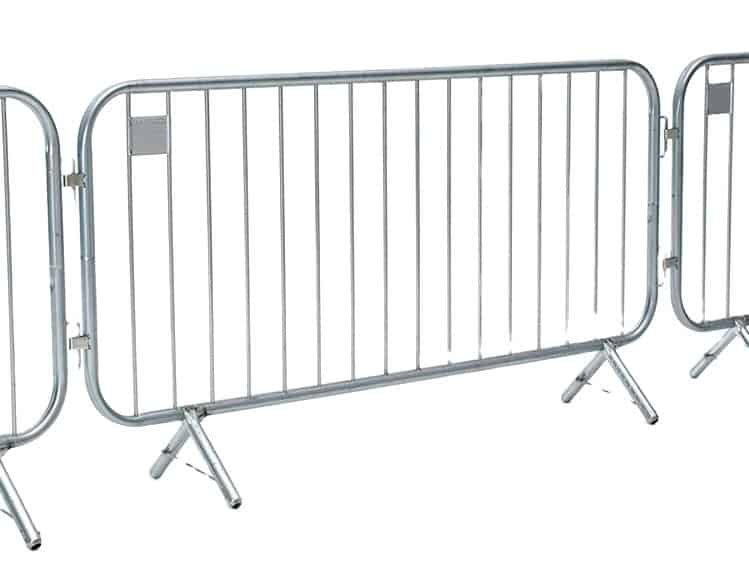
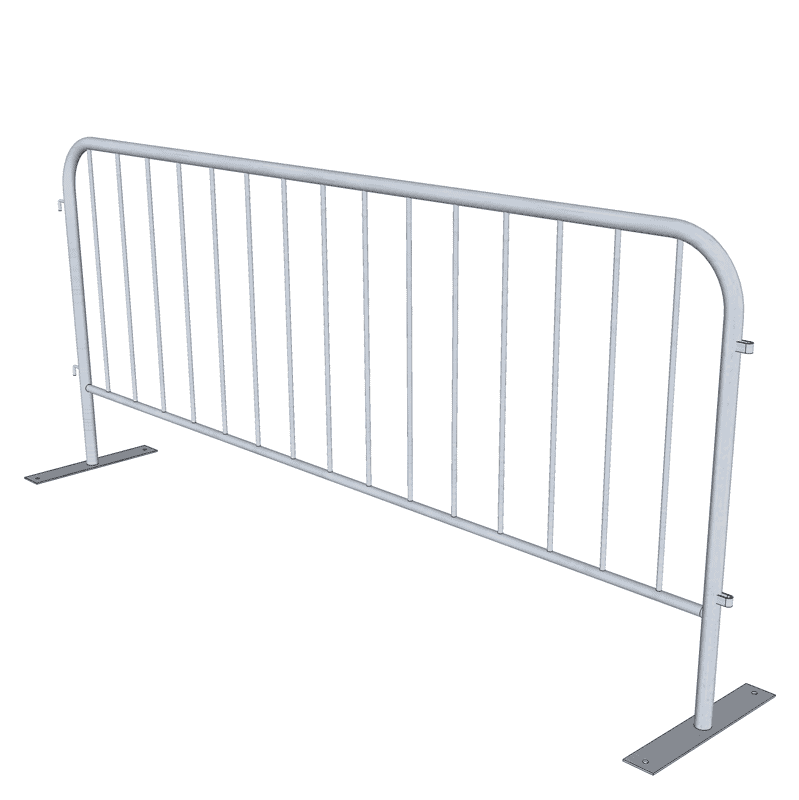
Figure 1 - A Typical Pedestrian Barrier
galvanized barrier

Better stability on different ground conditions

The right foot style keeps barrier lines steady and reduces constant re-setting during peak pedestrian flow.

  • Feet options: flat feet / bridge feet / tube feet

  • Lets you match walkways, uneven ground, and general flat surfaces without changing the barrier panel design

Applications of Crowd Control Pedestrian Barriers

Crowd control pedestrian barriers help you guide people flow, protect work zones, and create clear temporary routes in busy public areas.

  • Event queues & entrances — organize lines, prevent crowd spillover, control access points.

  • Venues & stages — create buffer zones, back-of-house separation, safer crowd movement.

  • Construction frontages — separate pedestrians from active works and vehicle routes.

  • Roadworks & street maintenance — build temporary walkways and safe detours.

  • Public facilities — isolate cleaning/repair areas at malls, stations, schools, hospitals.

  • Emergency management — quick perimeter control for incidents, inspections, or crowd diversion.

Trending FAQ

Pedestrian Barrier | The Ultimate FAQ Guide

Use fixed leg for general flat ground, flat leg for walkways where foot traffic is high, and bridge leg where ground is uneven or transitions (like curbs) are common.

Yes. The same barrier line concept works for crowd management and temporary pedestrian routing—choose the leg type based on ground condition and traffic density.

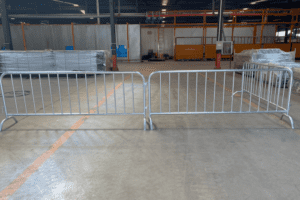
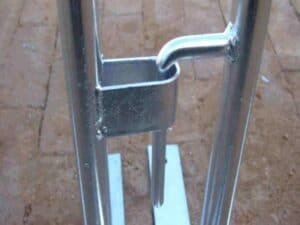
Most crowd control barriers use a hook-and-eye (or similar) linking system to form continuous lines. We match the connection style across the order so lines stay consistent.

Buying one leg type for every scenario. Mixing flat legs for walkways and bridge legs for rough areas often reduces on-site rework.

Send the target perimeter/queue length (or a simple site sketch). We’ll convert it into a barrier count plus recommended end positions and spare ratio.

Yes, barriers can be supplied with different finishes and markings depending on your market and usage (event visibility vs site management needs).

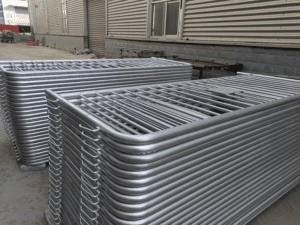
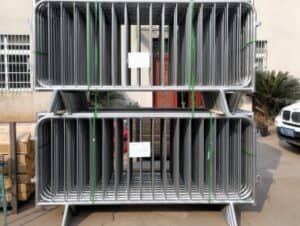
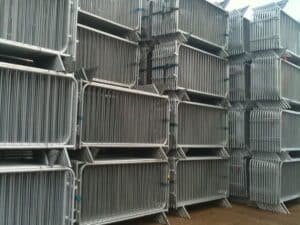
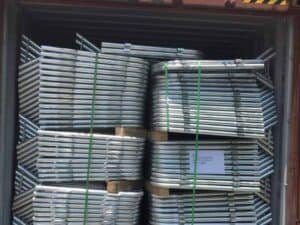
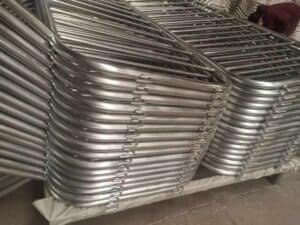
We use structured packing logic (stacking + protection) to reduce bending and surface damage in transit—especially important for long runs and repeat orders.

Customer Reviews

start your next project

en_USEnglish

CONTACT US