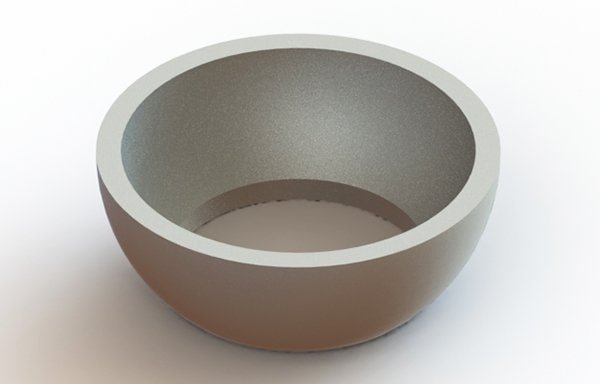
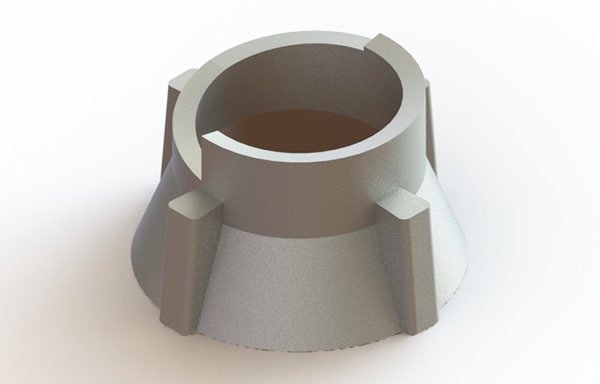
Cuplock Vertical
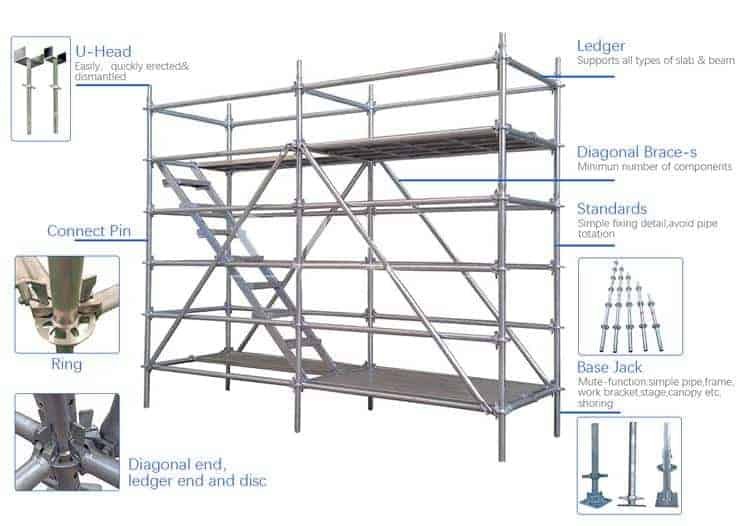
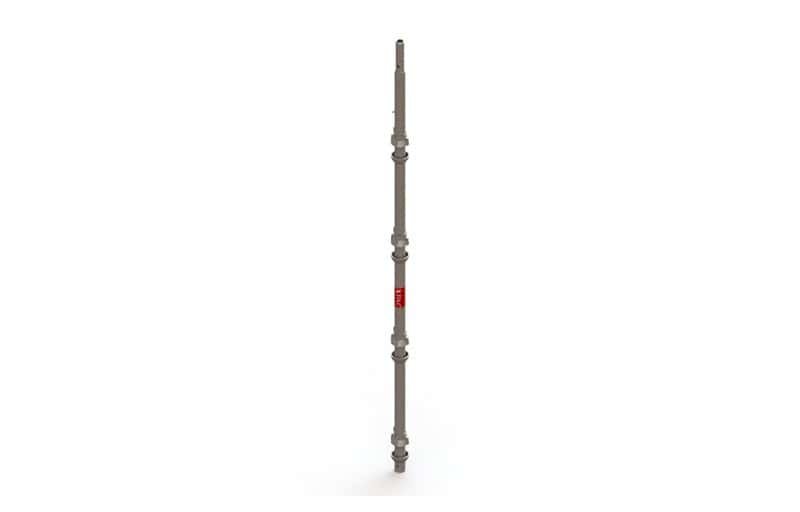
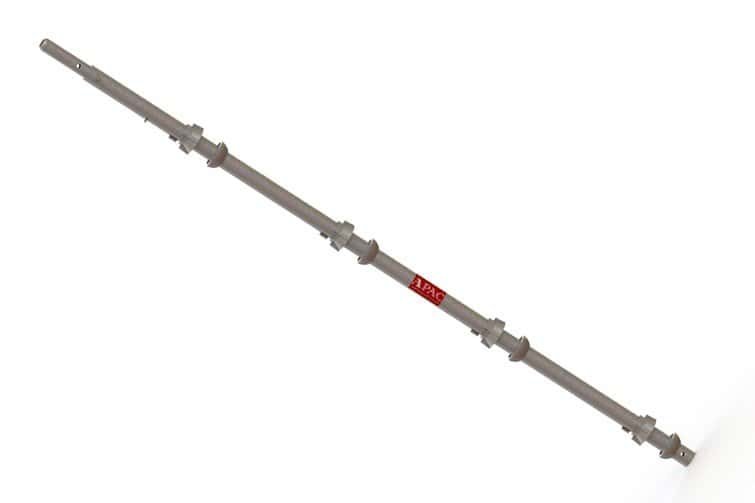
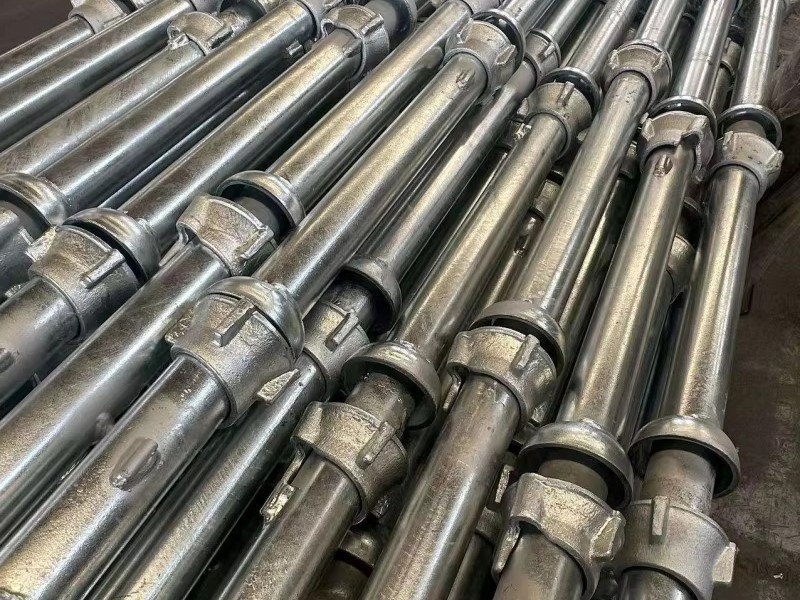
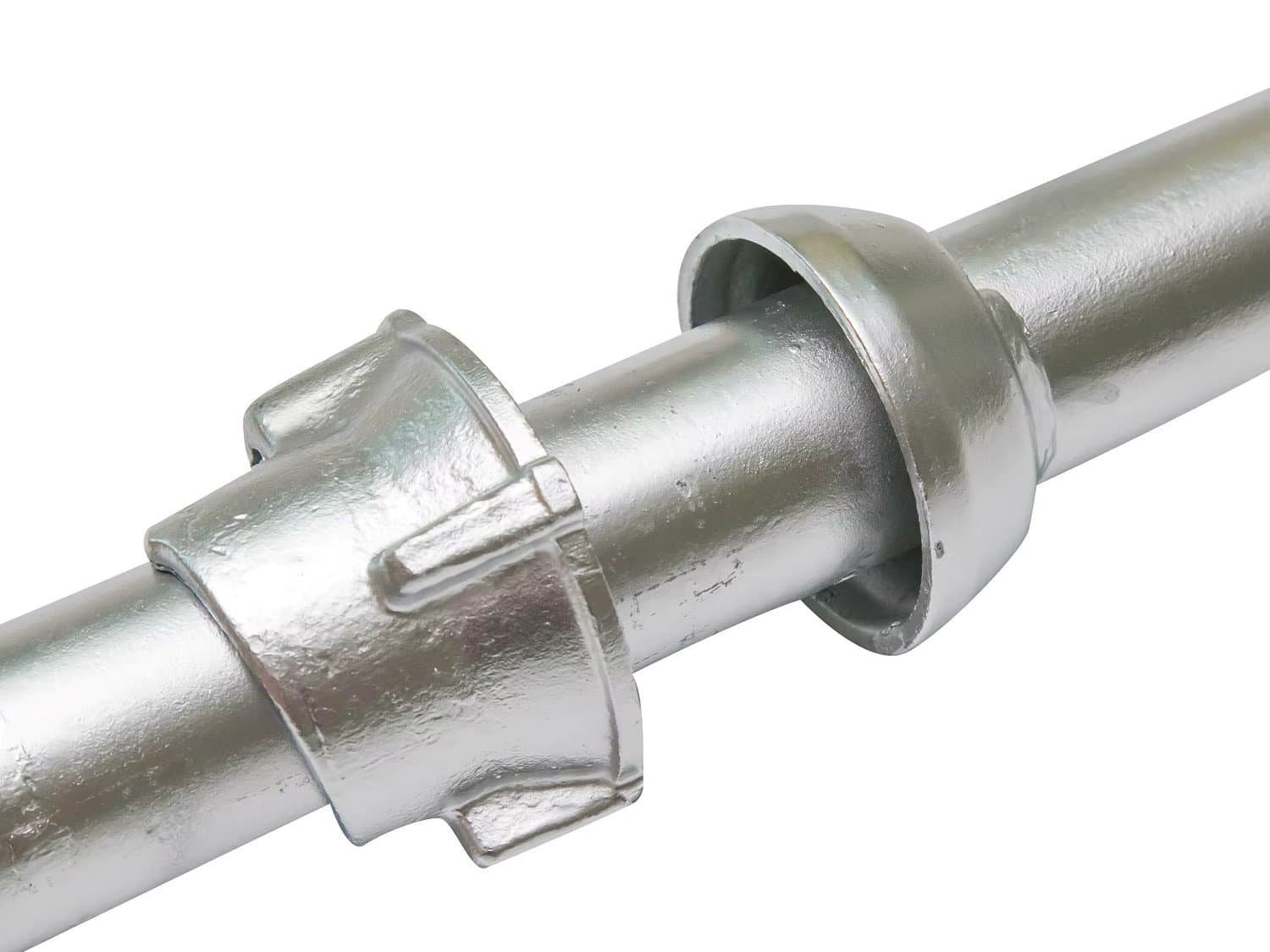
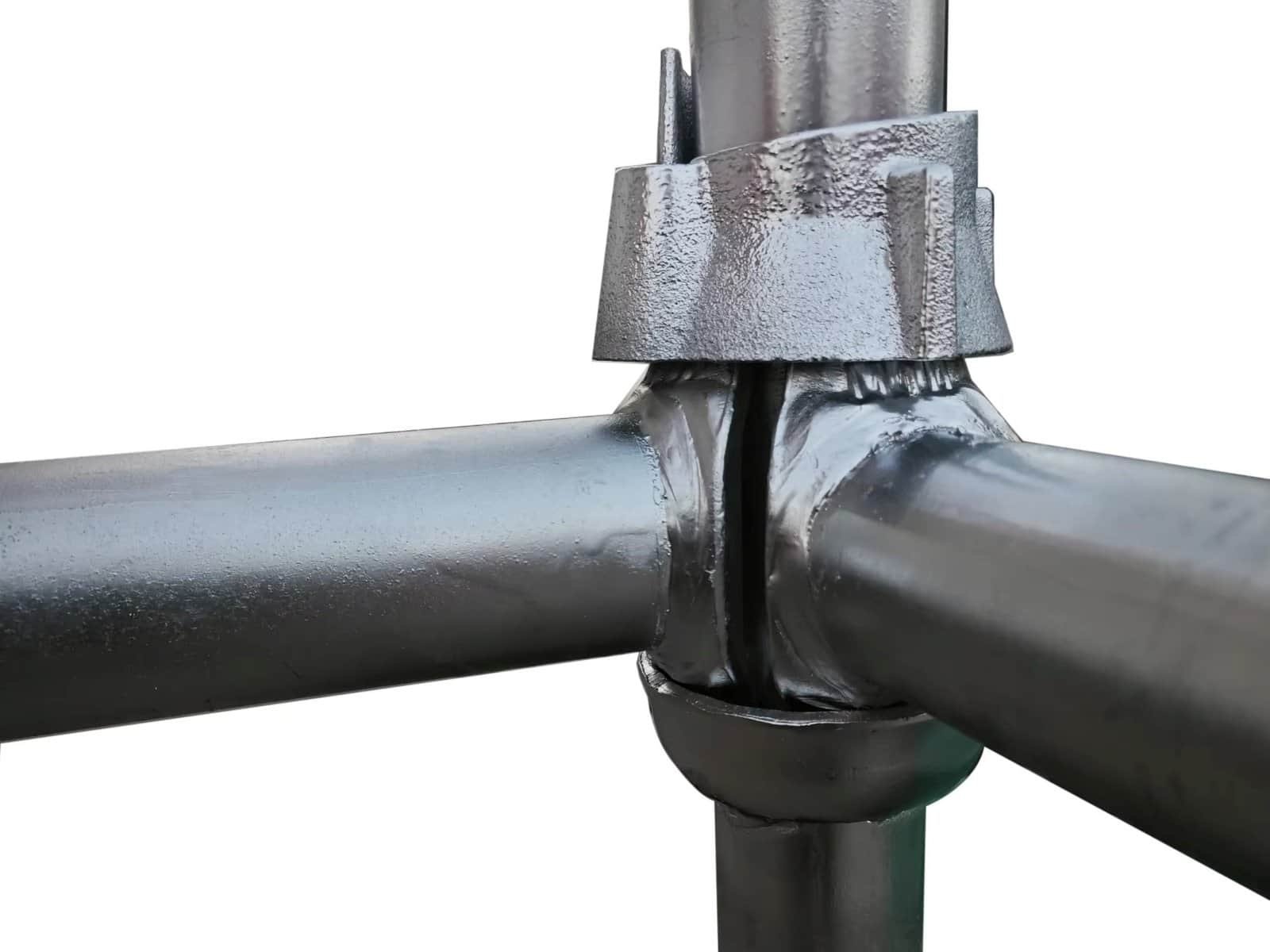
A Cuplock vertical is the main upright component in a Cuplock scaffolding system. It is manufactured from scaffold tube with fixed bottom cups and movable top cups welded at set intervals, allowing ledgers and transoms to be connected quickly and securely. As the primary load-bearing member, the Cuplock vertical transfers the scaffold load safely to the base and forms the backbone of the entire structure.
More Details About Cuplock Vertical
Specification
| Description | Tube / Spigot Size | Material | Size | Weight (kg) | Weight (lbs) | Surface Treatment |
|---|---|---|---|---|---|---|
| 3.00M Standard | Ø48.3 × 3.25mm; Spigot Ø38 × 3 × 300mm | Q235–Q355 | 3000mm (9'10") | 15.47 | 34.11 | Galvanized |
| 2.50M Standard | Ø48.3 × 3.25mm; Spigot Ø38 × 3 × 300mm | Q235–Q355 | 2500mm (8'2") | 13.02 | 28.71 | Galvanized |
| 2.00M Standard | Ø48.3 × 3.25mm; Spigot Ø38 × 3 × 300mm | Q235–Q355 | 2000mm (6'7") | 10.58 | 23.33 | Galvanized |
| 1.50M Standard | Ø48.3 × 3.25mm; Spigot Ø38 × 3 × 300mm | Q235–Q355 | 1500mm (4'11") | 8.14 | 17.95 | Galvanized |
| 1.00M Standard | Ø48.3 × 3.25mm; Spigot Ø38 × 3 × 300mm | Q235–Q355 | 1000mm (3'3") | 5.69 | 12.55 | Galvanized |
| 0.50M Standard | Ø48.3 × 3.25mm; Spigot Ø38 × 3 × 300mm | Q235–Q355 | 500mm (1'8") | 3.25 | 7.17 | Galvanized |
| 0.31M Standard | Ø48.3 × 3.25mm; Spigot Ø38 × 3 × 300mm | Q235–Q355 | 305mm (1') | 2.55 | 5.62 | Galvanized |
Factory
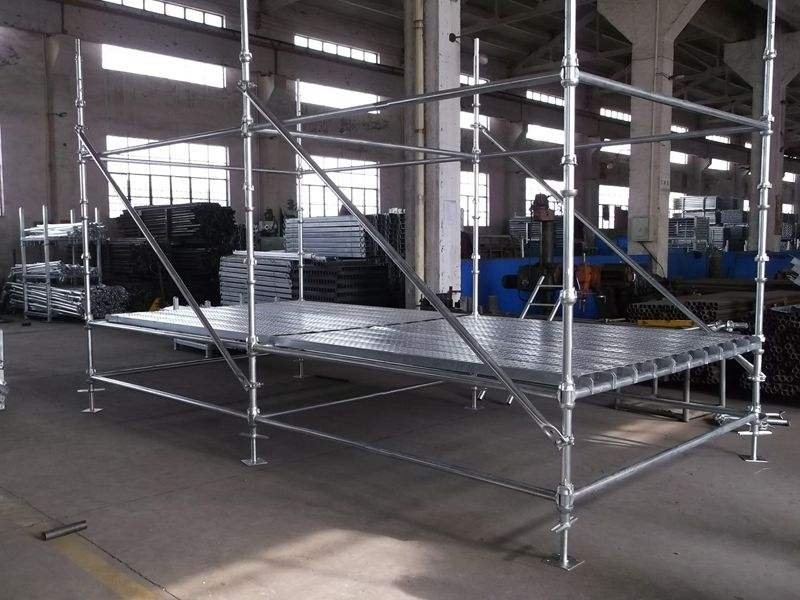
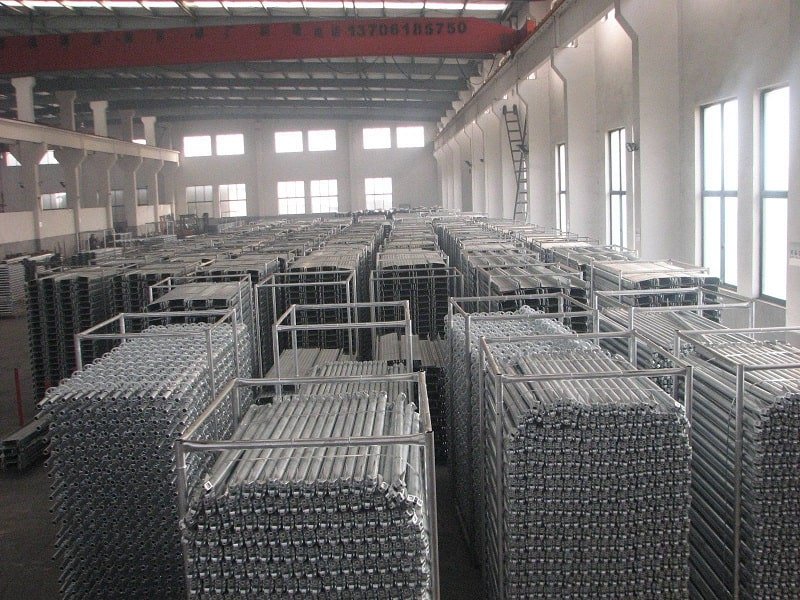
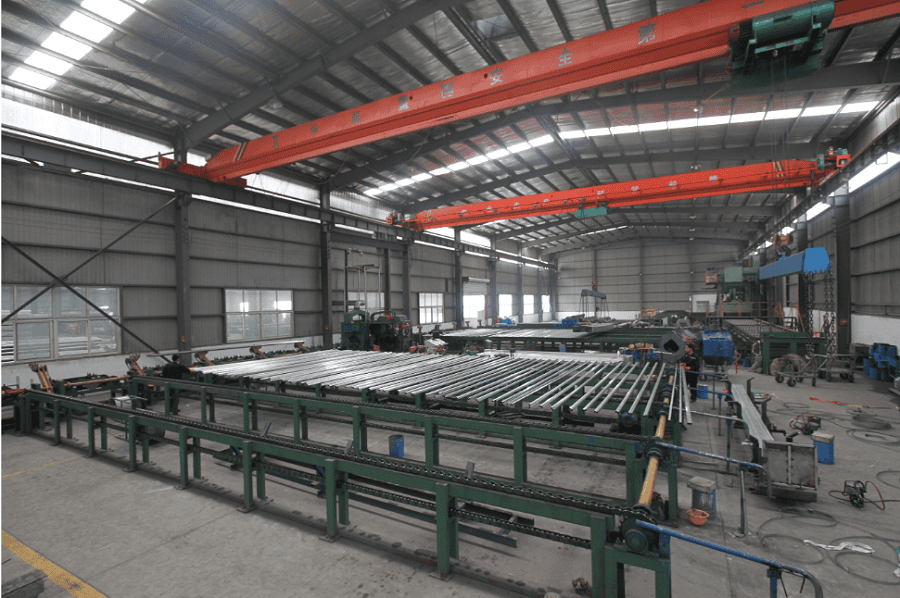
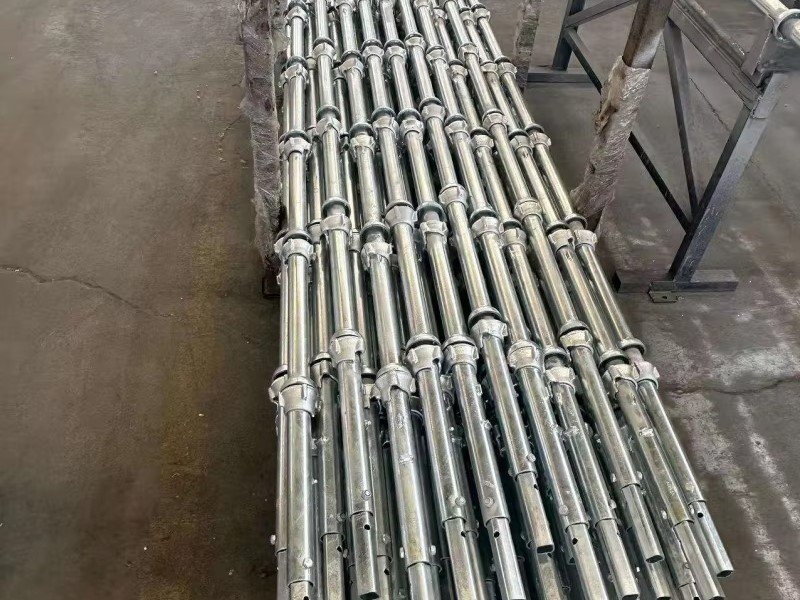
Cuplock verticals are produced with controlled raw material selection, stable welding processes, and dimensional checks to help ensure consistent cup spacing, tube accuracy, and spigot fit across every batch.


Packing&Delivery
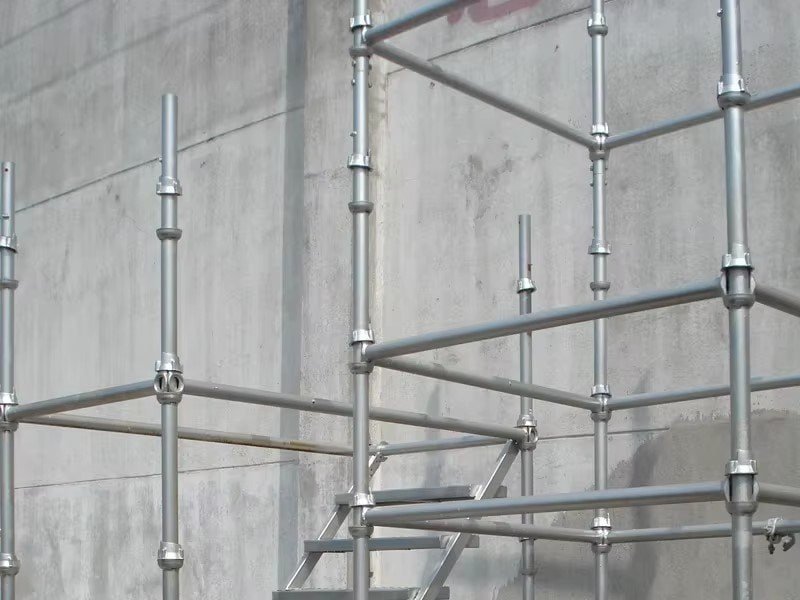
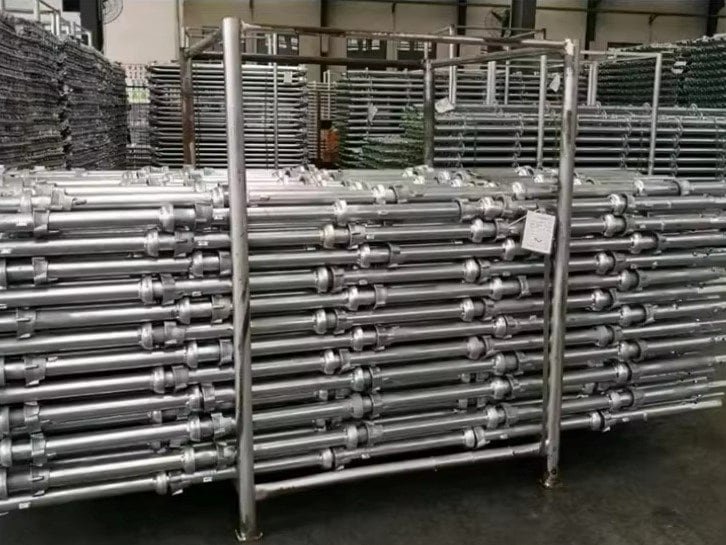
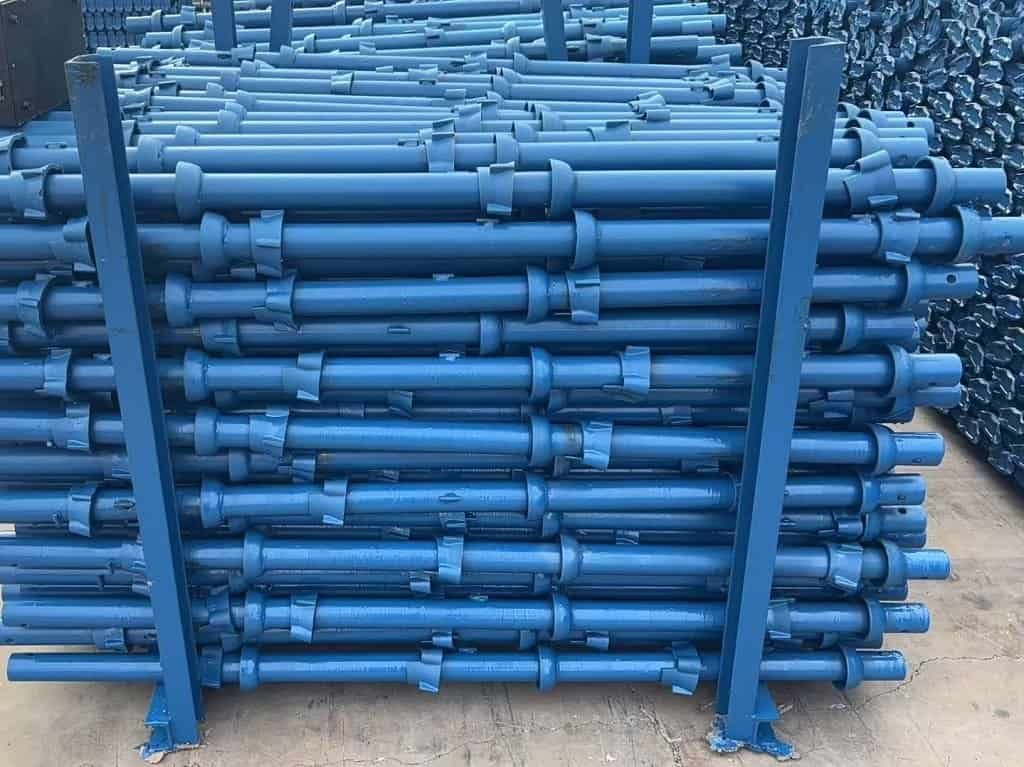
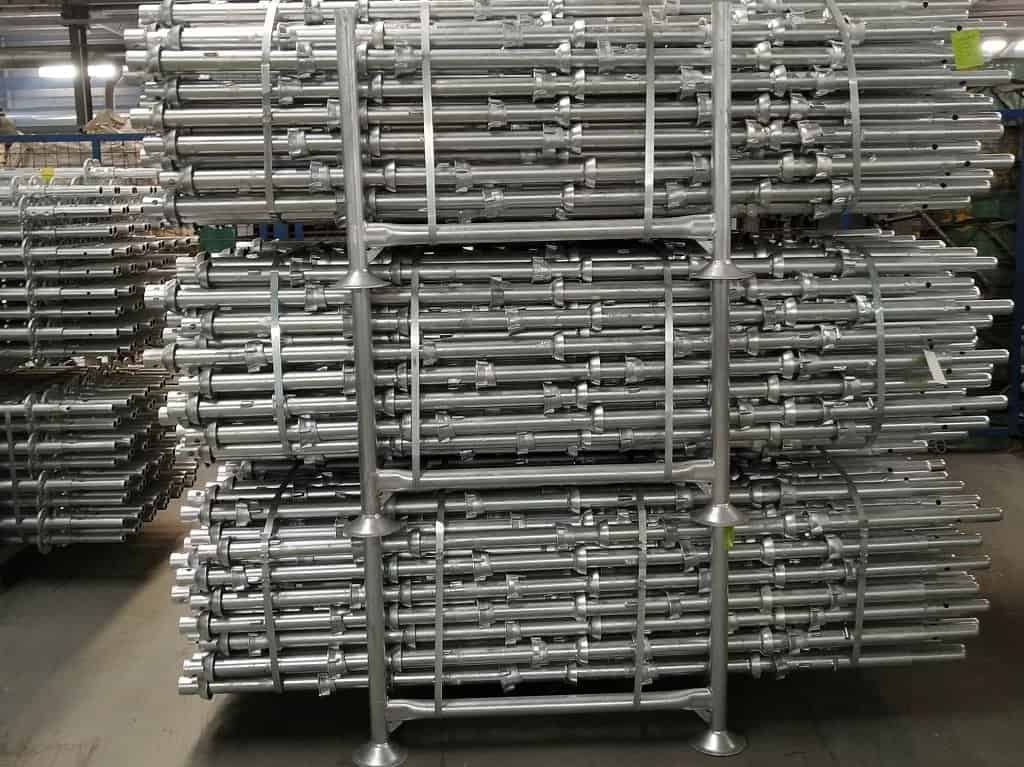
APAC Cuplock verticals are packed with export handling and warehouse efficiency in mind. Standards are typically bundled in steel straps for easier loading, unloading, and container arrangement, while clear size identification helps simplify receiving and stock management at the destination warehouse or jobsite.
Why Choose APAC Cuplock Vertical
APAC Cuplock Vertical is manufactured for contractors, distributors, and rental companies that need dependable system compatibility, repeatable quality, and efficient supply for large-volume scaffold and shoring projects. It helps create stable Cuplock structures while supporting faster assembly, easier stock control, and smoother repeat ordering.
Reliable System Compatibility for Faster Assembly
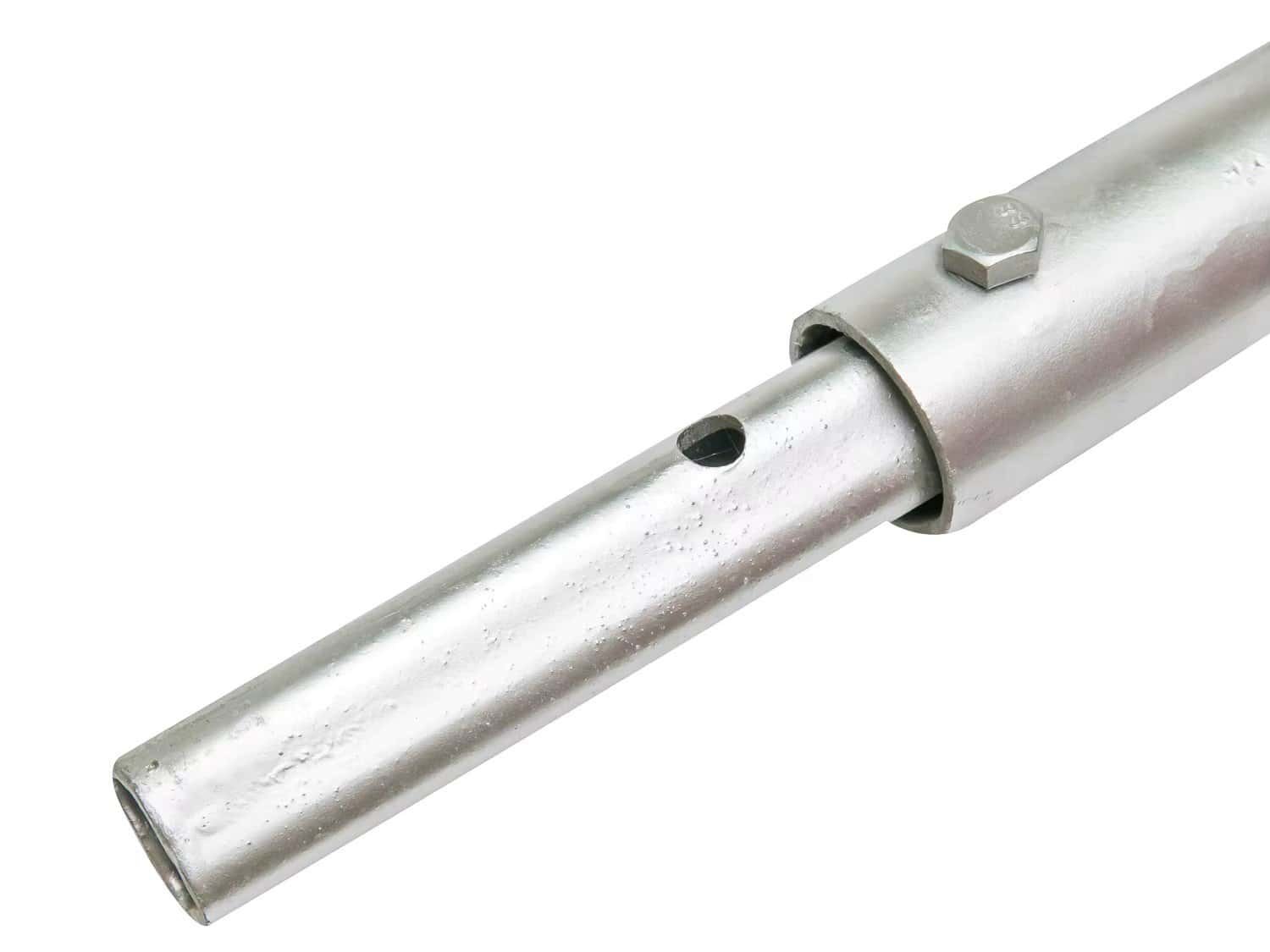
The value of a Cuplock vertical starts with fit. APAC focuses on dimensional consistency and proper cup-and-spigot configuration so your ledgers and other Cuplock components connect correctly in the field.
- Manufactured to match common Cuplock system requirements
- Regular node-point spacing for quick and repeatable assembly
- Stable cup connection design to support efficient locking
- Helps reduce delays caused by mismatched or inconsistent components
Material and Finish Options for Different Market Needs
Different projects and markets may require different steel grades and surface treatments. APAC supports specification-based purchasing so buyers can match the vertical standard to their application and corrosion requirements.
- Material options such as Q235 and Q345 depending on project needs
- Galvanized finish available for improved corrosion resistance
- Suitable for both standard and custom specification discussion
- Better aligned with market-specific and project-specific requirements
Available in Multiple Standard Lengths for Flexible Project Design
Different scaffold heights and support layouts require different vertical sizes. APAC offers a practical length range so buyers can build scaffold and shoring configurations more efficiently without overcomplicating stock planning.
- Multiple standard lengths to suit different working heights
- Supports both low-level and high-rise scaffold arrangements
- Useful for access scaffolds, birdcages, and support towers
- Makes project-based quantity planning more flexible
Applications of cuplock scaffolding
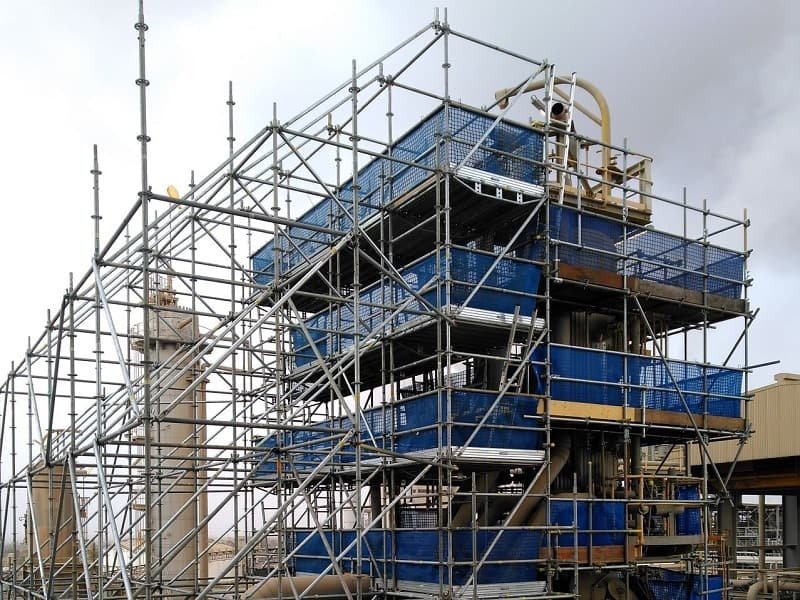
Cuplock scaffolding is widely used in building construction, bridge works, industrial maintenance, façade access, birdcage scaffolds, and heavy-duty shoring applications because its modular cup-and-blade connection allows fast assembly, stable load transfer, and efficient support for both access and formwork systems.



Cuplock Vertical | The Ultimate FAQ Guide
1. What Is a Cuplock Vertical?
A Cuplock vertical is the primary load-bearing upright in a Cuplock scaffold system. It is made from scaffold tube with fixed lower cups and movable upper cups welded at regular intervals, allowing horizontal members to be locked into place quickly.
- Forms the main vertical structure of the scaffold
- Provides node points for ledgers and transoms
- Transfers scaffold loads safely down to the base
- Supports fast assembly in modular Cuplock systems
2. What Is the Function of a Cuplock Vertical?
Its main role is to support the scaffold structure and create secure connection points for other Cuplock components.
- Carries vertical loads from working platforms and scaffold bays
- Connects with Cuplock ledgers and transoms at set intervals
- Helps maintain structural stability across the scaffold
- Serves as the backbone of access and support towers
3. What Are Cuplock Verticals Made Of?
Cuplock verticals are typically manufactured from high-strength steel scaffold tube, often using grades such as Q235 or Q345 depending on specification requirements.
- Common tube size: 48.3mm outer diameter
- Common wall thickness: around 3.0mm–3.25mm
- Steel grade may vary by market or project requirement
- Surface finish may be painted, pre-galvanized, or hot-dip galvanized
4. What Sizes Are Available for Cuplock Verticals?
Cuplock verticals are available in different standard lengths so buyers can build scaffolds and support systems at different heights.
- 3.00M Standard
- 2.50M Standard
- 2.00M Standard
- 1.50M Standard
- 1.00M Standard
- 0.50M Standard
- 0.31M Standard
5. What Is the Spigot on a Cuplock Vertical?
The spigot is the connecting piece used to join one Cuplock vertical to another vertically, helping maintain alignment and continuity in the scaffold tower.
- Allows vertical extension of the scaffold structure
- Helps position upper standards correctly
- Commonly integrated into the vertical design
- Important for safe and stable load transfer between levels
related products


Customer Reviews
“We sourced APAC Cuplock verticals for a bulk stock order, and the dimensional consistency was good across the batch. The cup spacing and spigot fit worked well with the rest of our Cuplock components, which made receiving and repeat ordering much easier. For distributors, that kind of consistency matters a lot.”
David M.
Procurement Manager
“We used these Cuplock verticals on a slab support project where load stability and quick assembly were both important. The components were straightforward for the site team to handle, and the galvanized finish was a plus for outdoor use. Overall, a practical product for both access and support applications.”
Ahmed R.
Project Engineer
“What we liked most was that the APAC Cuplock verticals fit well into a repeat-use rental environment. The sizes were clear, the packing was organized, and the product held up well through multiple site cycles. It’s a solid option for rental fleets that need standardization and easier stock control.”
Carlos T.
Operations Manager
Need Help?