
Welcome To APAC Builders Equipment
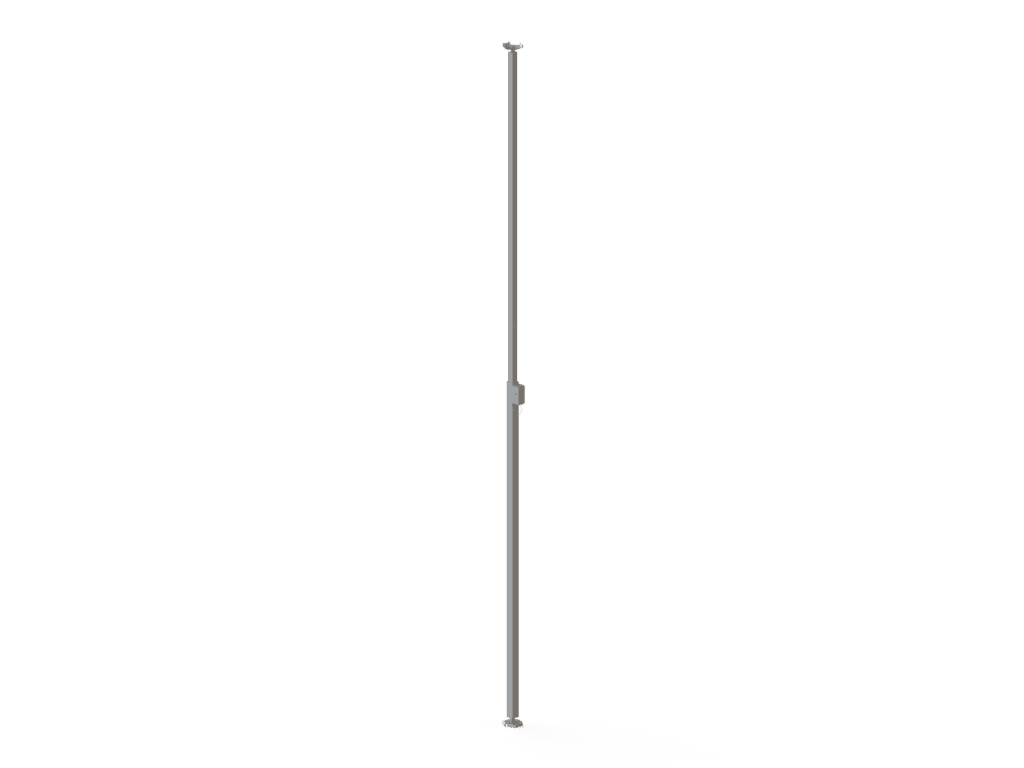
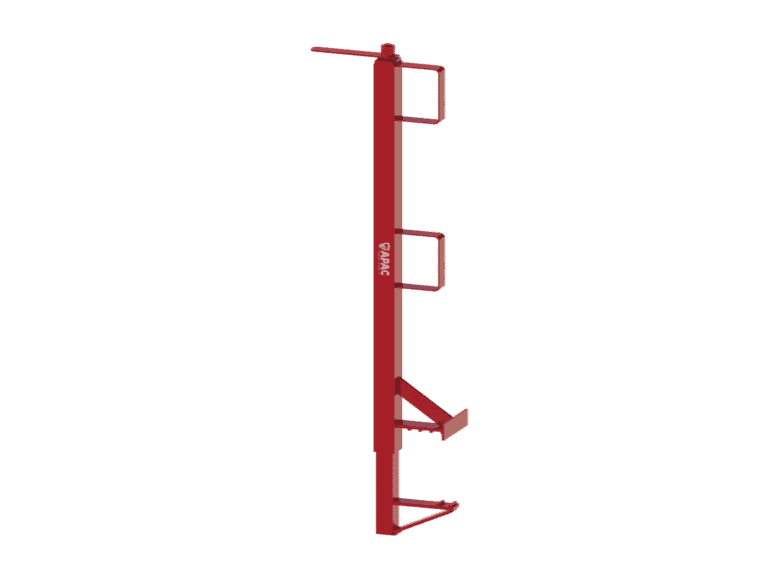
Compression Post Edge Protection
- Personalized logos for your company’s products and compatibility with other brands.
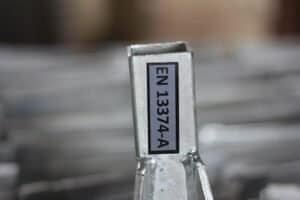
- EN 13374 compliant edge protection, making it easier to approve the system and keep your perimeter protection audit-ready.
- Fast Installation & Labor Saving — The patented tightening/locking mechanism drastically cuts install time—often up to 5× faster—so you need fewer labor hours per floor.
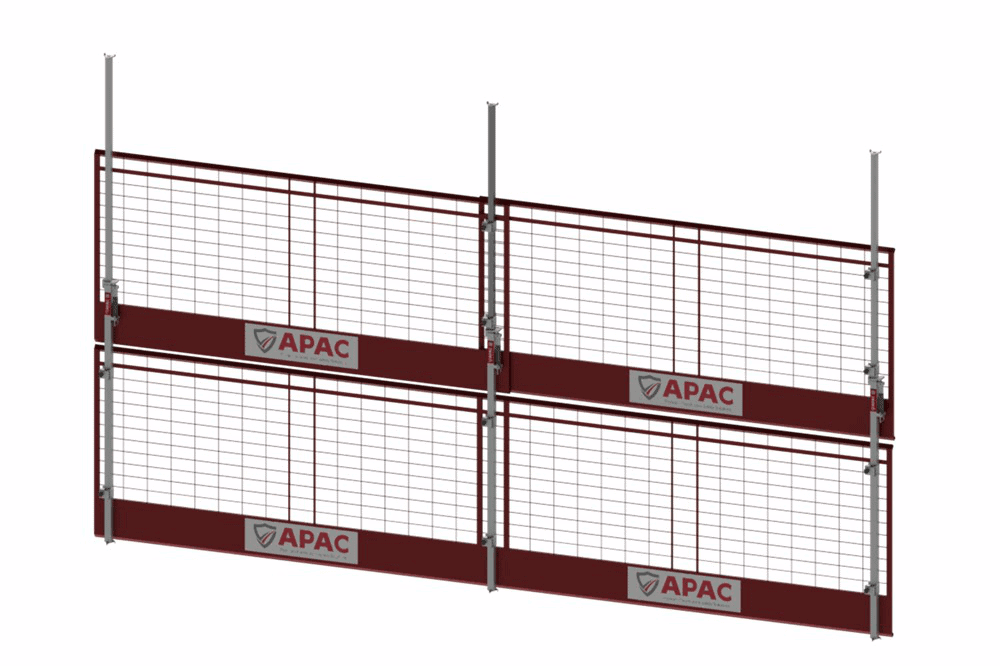
Compression Post System
The compression post is a collective fall protection device that is used for securing edges between concrete slabs and other situations on construction sites. The system can be used in conjunction with edge protection barriers for full coverage. The toeboard of the mesh barrier prevents debris and material from entering or leaving the floor.Components Of Compression Post
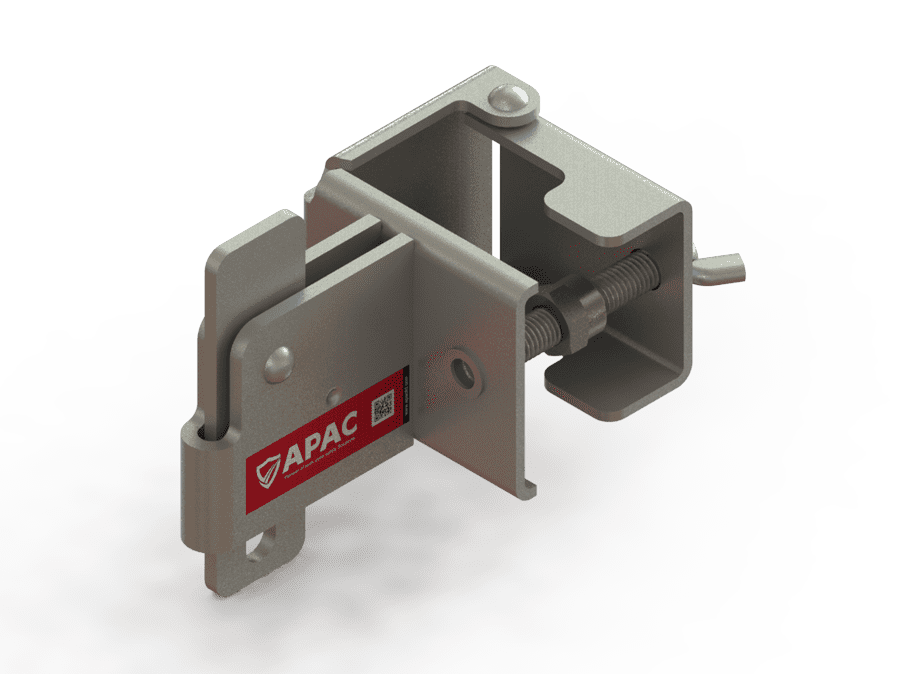
Compression Post Barrier Clip
The slider hook is a strong but light attachment can be adjusted to any position on the Post.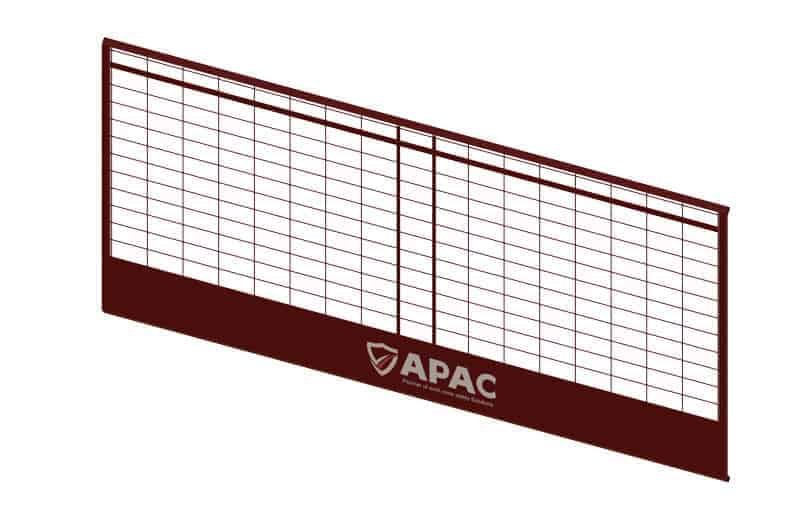
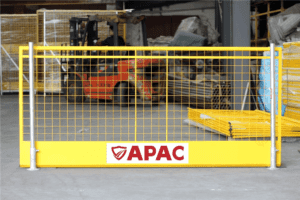
2.6m Safedge Mesh Barrier
1.2m high and 2.6m long. Galvanized mesh and frame, powder-coated for durability.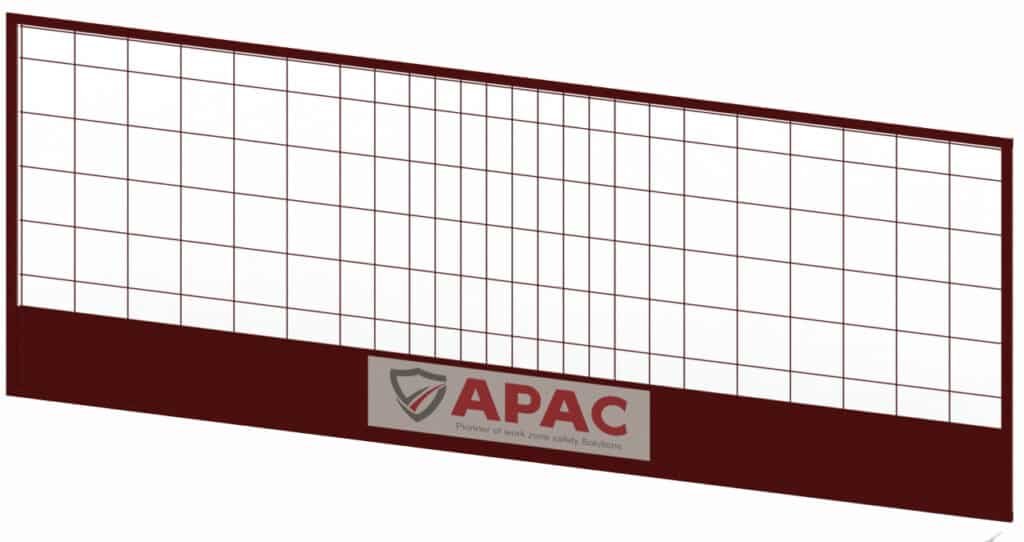
2.9m Safedge Mesh Barrier
1.1m high and 2.9m long with 4mm wire thickness. More lengths can be customizedMore Information About Compression Post
Technical Data
 The APAC Compression post can be fixed between concrete floors and soffits. No need drilling or anchoring, providing Safer and fast installation compression post edge protection for concrete floors.
Standard
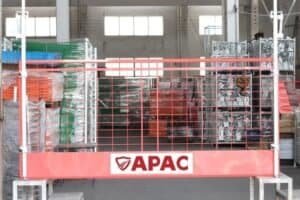 The system is fully compliant with USA standards:
- OSHA 1926.502;
- European standard: BS EN 13374:2004;
- Canadian standard: Occupational Health and Safety Act of Ontario;
- Section 26. ONTARIO REGULATION 213/91;
- Australian standard:AS/NZS 4994.1 etc.
Why Choose APAC Compression Post
APAC compression posts deliver fast, drill-free edge protection for concrete-frame projects, with quick height adjustment, flexible barrier options, and support materials that make installation consistent across crews and sites.Fast Fixing, No Drilling, No Tools
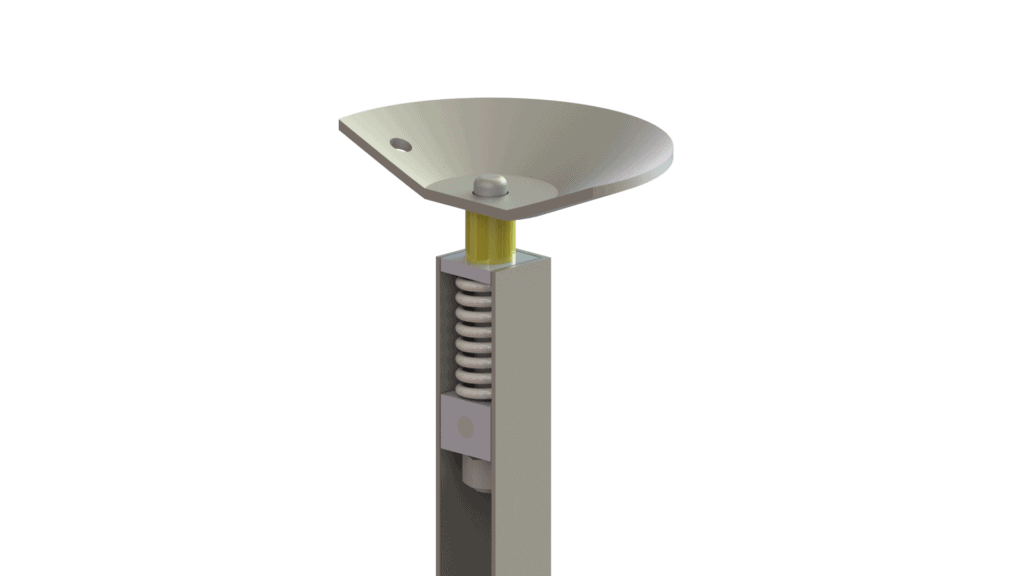
A quicker fixing principle than anchored/bolted methods—ideal when you need speed and minimal disruption on active slabs.- No tools required for installation
- Faster setup and relocation vs. anchored/bolted fixing
- Level indicator helps accurate vertical alignment
- Four-step locking process for consistent on-site use
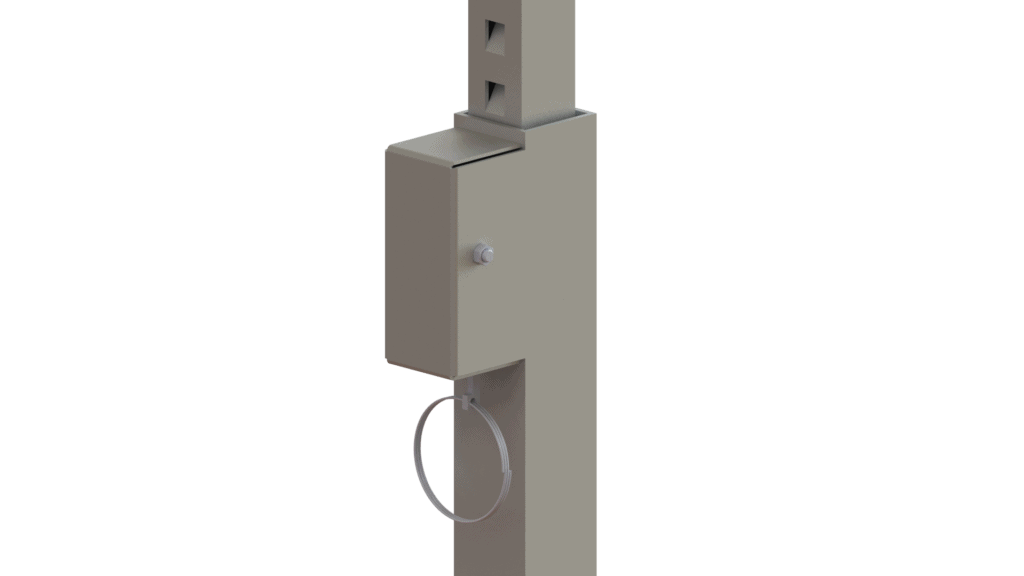
Built For Long-Term Use, Compatibility, And Branding
A durable, reusable system that supports multi-project efficiency while fitting broader fleet strategies.- Powder-coated steel for long-term use
- Compatible with other brands (easier fleet integration)
- Recyclable system vs. traditional guardrails for additional savings
- Personalized logos available for your product line
- Installation support: videos, PDFs, and engineer-led online guidance
Adjustable Height + Flexible Barrier Configurations
Designed for common floor-to-soffit ranges with barrier options to match your protection scope and site rules.- Quick height adjustment from 2.4 m (8 ft) to 3.5 m (11.5 ft) max
- Works with barriers for practical height control
- Choice of double-height or half-height mesh panels
- Dense mesh options (50×50 mm / 150×75 mm) or customized meshes
Trusted By Contractors Worldwide
10+
Business Work45+
Countries Delivered218+
Contractors Served528+
Projects SupportedApplications Of Compression Post
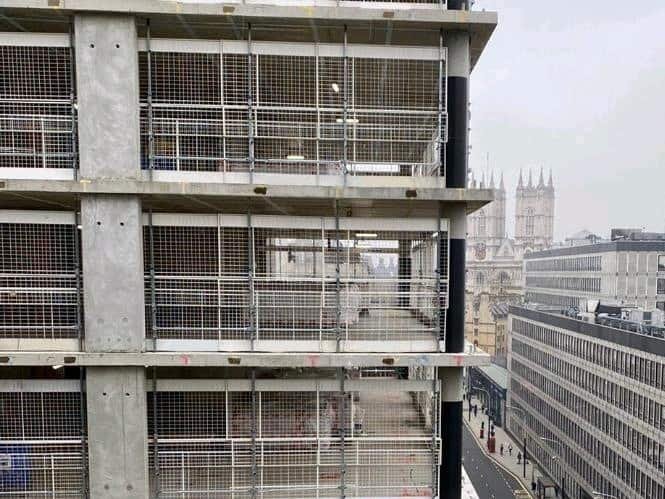
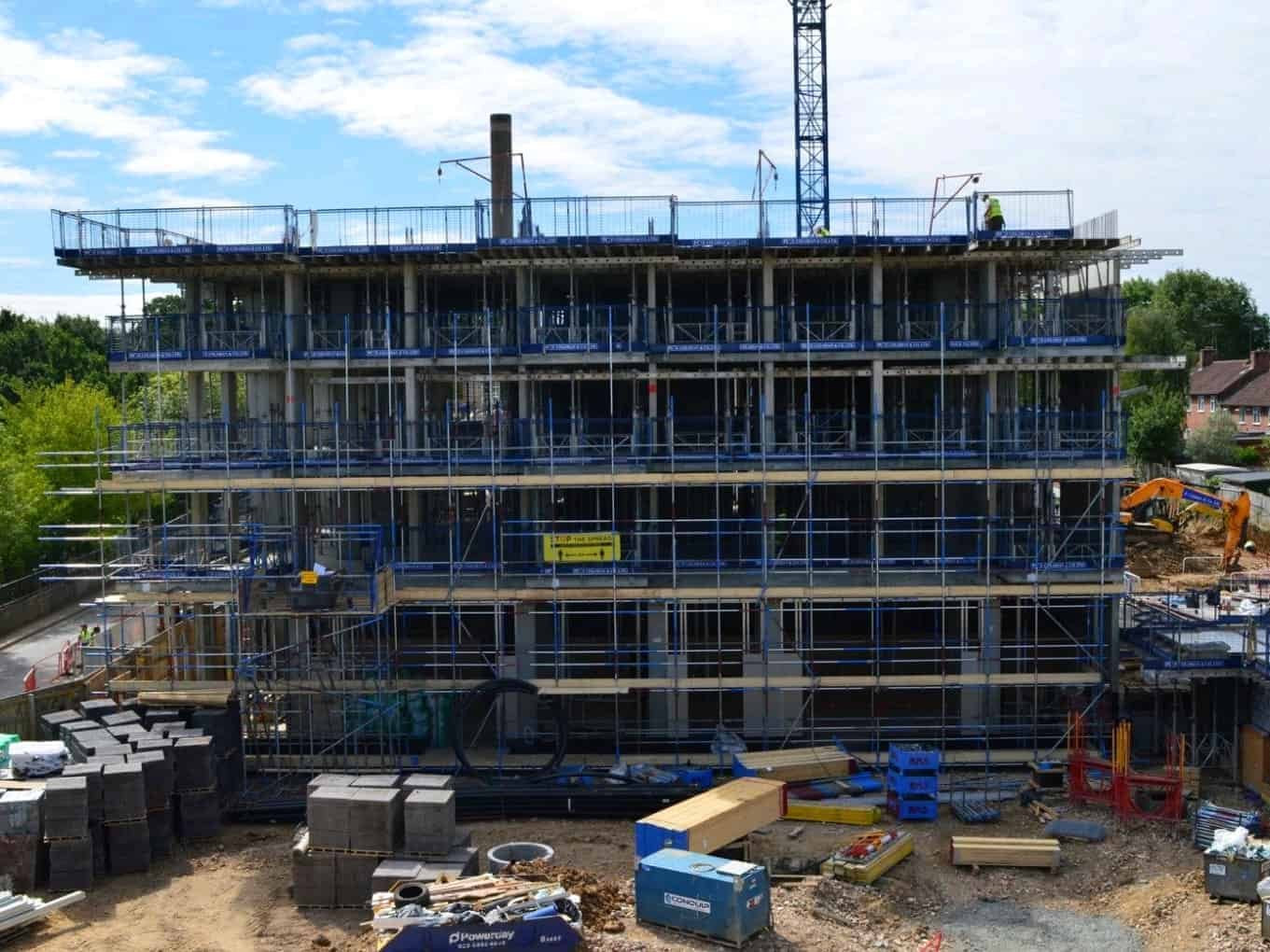
Compression post edge protection is most commonly used on concrete-frame projects where you need fast, non-drill installation and frequent repositioning as the job progresses. It can also be adapted for certain steel frame conditions depending on the fixing interface and project method statement.- Concrete slab edges & perimeters (RC frame floors, balconies, leading edges)
- Temporary protection during pour cycles (move up floor-by-floor with the program)
- Stair voids and floor openings (with double-height or full-height mesh panels)
- Lift shafts / service risers (where a non-penetrating fixing approach is preferred)
- Internal fit-out phases (keep edges protected without drilling into finished slabs)
- Selected steel-frame applications (when suitable fixing provisions are available)


FAQ
Compression Post FAQs
Common questions about compression post edge protection, installation, applications and technical requirements.1. When Should I Choose Compression Posts Instead of Drill-and-Fix?
Choose compression posts when you need fast installation, frequent relocation or want to avoid slab penetration. They are especially useful on concrete-frame projects and fit-out stages where protection may need to move as work progresses.2. Do Compression Posts Require Drilling or Anchors?
Typically, no. Compression posts are designed to fix between the concrete floor and soffit using a compression mechanism, without requiring anchors or drilled fixing points.3. Can Compression Posts Be Used to Protect Openings, Not Just Slab Edges?
Yes. Depending on the system configuration, compression posts can be combined with barriers or other protection components around openings and exposed areas. The complete arrangement should be reviewed against the actual opening size and project requirements.4. What Height Range Can Compression Posts Cover?
The adjustment range depends on the post model. Always confirm the actual floor-to-soffit dimension against the specified working range of the selected compression post before ordering or installation.5. Are Compression Post Systems EN 13374 Compliant?
Compliance should be reviewed against the exact system configuration, including the compression post, barrier, connection arrangement and installation condition. Ask for the relevant test or technical documentation for the configuration you plan to use.6. How Fast Is Installation Compared With Drill-and-Fix Systems?
Compression posts can reduce installation steps because drilling and anchor installation are not normally required. They can also be easier to relocate as work areas change. Actual installation time depends on the crew, site conditions and complete protection configuration.

Customer Reviews
"I was struggling to find a reliable fence that met our safety standards and could be delivered on time. APAC not only offered fast delivery, but the AU Temp Fence also exceeded our expectations in terms of quality and durability, solving my site security issues efficiently."
James Thompson
Construction Site Manager
"We needed a reliable barrier for crowd control at a busy event. The Pedestrian Barrier provided exactly that—easy to set up, stable, and kept attendees safe while ensuring clear access to the event site."
Rachel
Project Manager
"I needed a fence that could handle harsh weather and be set up quickly for a public works project. The Canada Temp Fence from APAC not only met our strict requirements but was also hassle-free to order and delivered right when we needed it, solving both logistical and security issues."