
Orange Safety Fence
- Lower logistics + labor cost: Roll format is easy to transport, store, and redeploy across phases.
- Lightweight rolls install and relocate quickly as work phases change, cutting rework and on-site handling time.
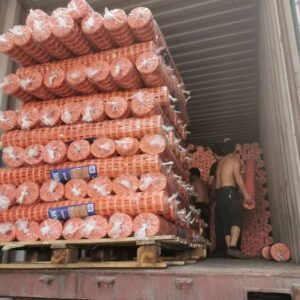
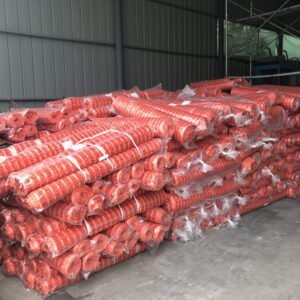
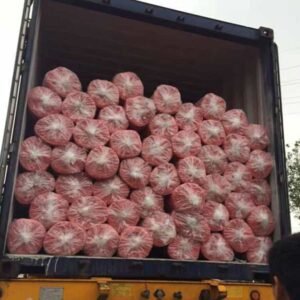
- Bulk availability with consistent QC and export packaging supports contractors, distributors, and multi-site projects with predictable delivery.
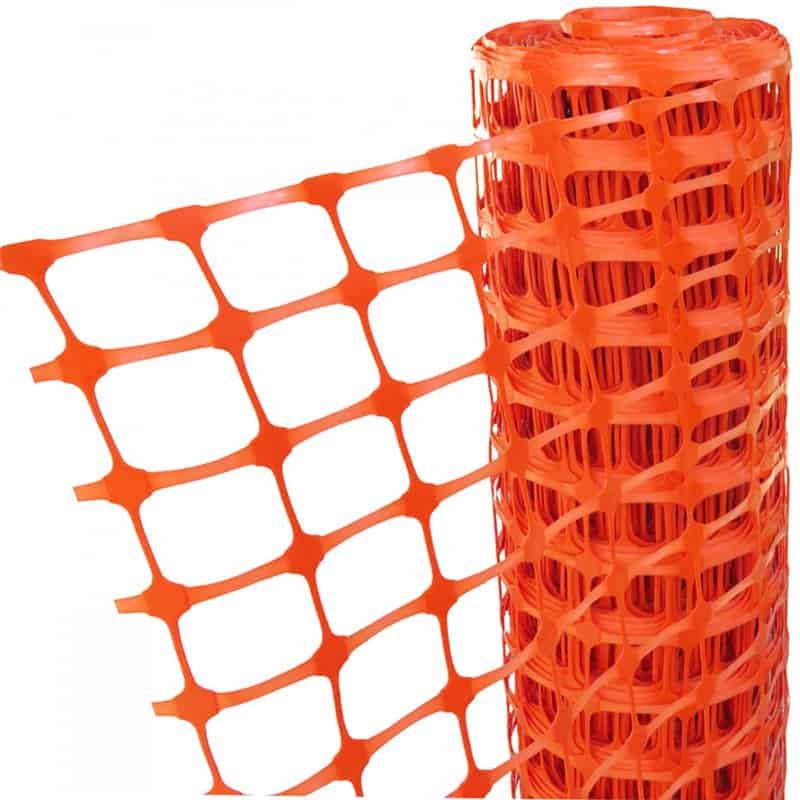
what is Orange Safety Fence
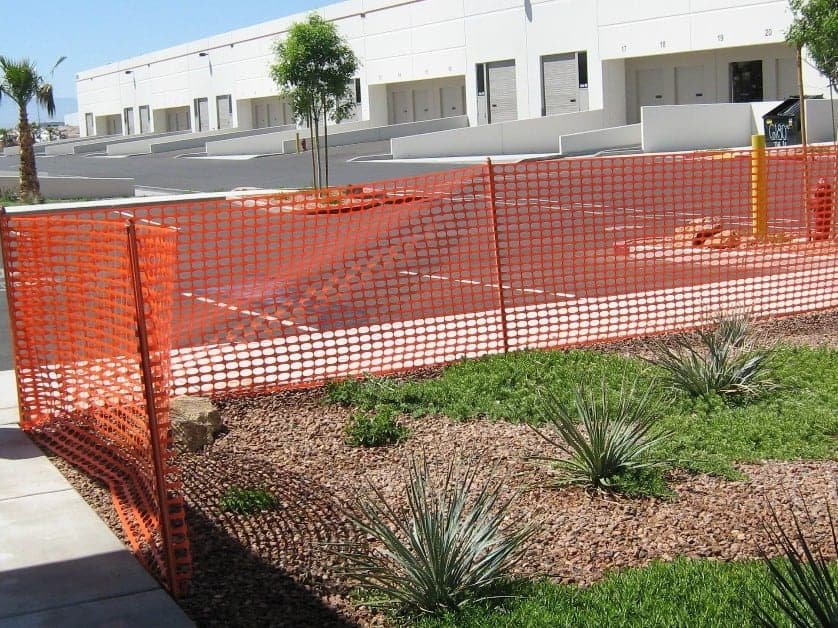
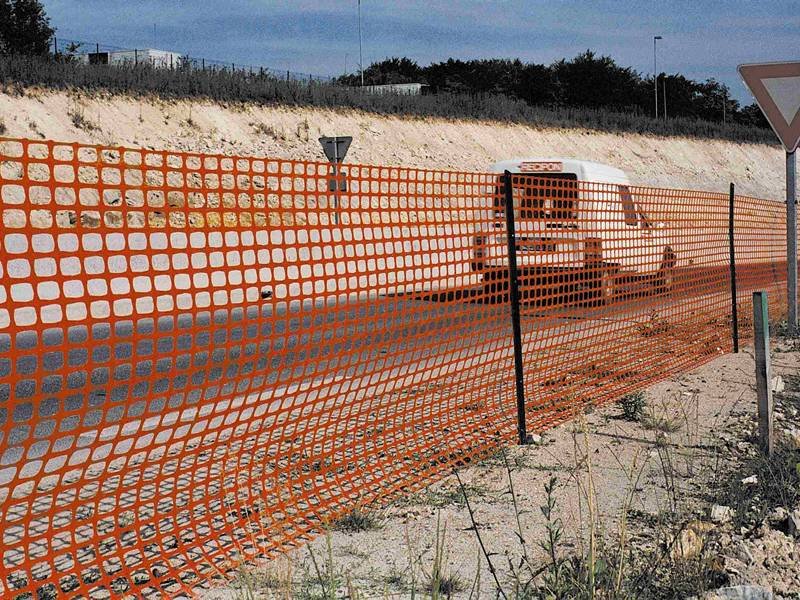
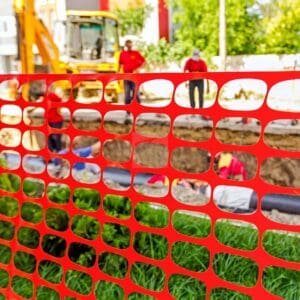
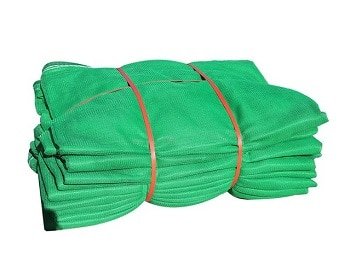
An orange safety fence is a high-visibility temporary barrier—usually a lightweight plastic mesh sold in rolls—used to mark off hazardous or restricted areas and guide people away from danger.
It’s mainly a visual and access-control barrier (to signal “do not enter” or “stay out”), not a substitute for engineered fall protection or guardrails when those are required.
Types of Plastic Safety Fence
The Orange Safety Fence is the most popular and best-selling warning barrier on the market. Available in vibrant colors such as orange, green, red, black, and yellow, this fence ensures high visibility and safety. Tested according to international standards, it meets stringent quality control expectations.
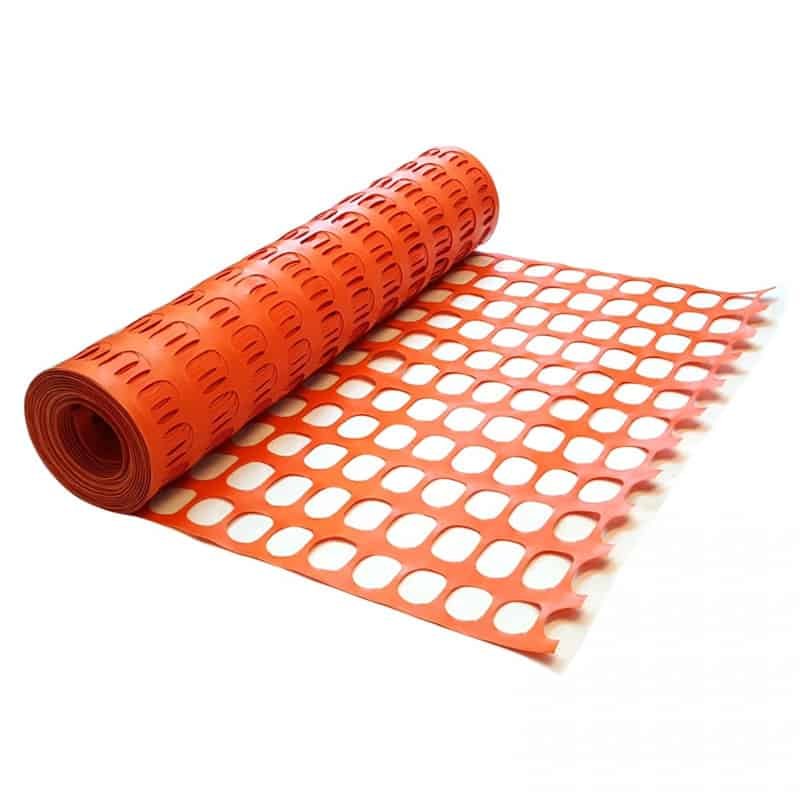
orange Temporary Fence
The go-to high-visibility warning color for quickly marking hazard zones and site boundaries, helping prevent accidental entry and confusion on busy sites.
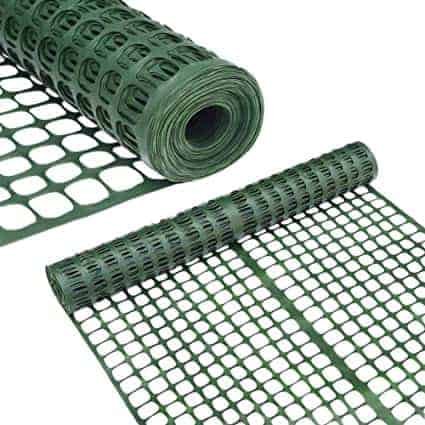
green Temporary Fence
It is commonly used to indicate safer routes or approved access areas, making traffic flow clearer and reducing constant on-site explanations.

purple Temporary Fence
Ideal for designated restricted or special-control zones (as defined by your site rules), creating a clear visual boundary that’s hard to ignore.

yellow Temporary Fence
A classic “caution” color for temporary separation areas and changing work zones, helping crews spot boundaries fast and adapt as the job progresses.
Contact APAC and Reduce Your Orange Temp Fence Cost Now
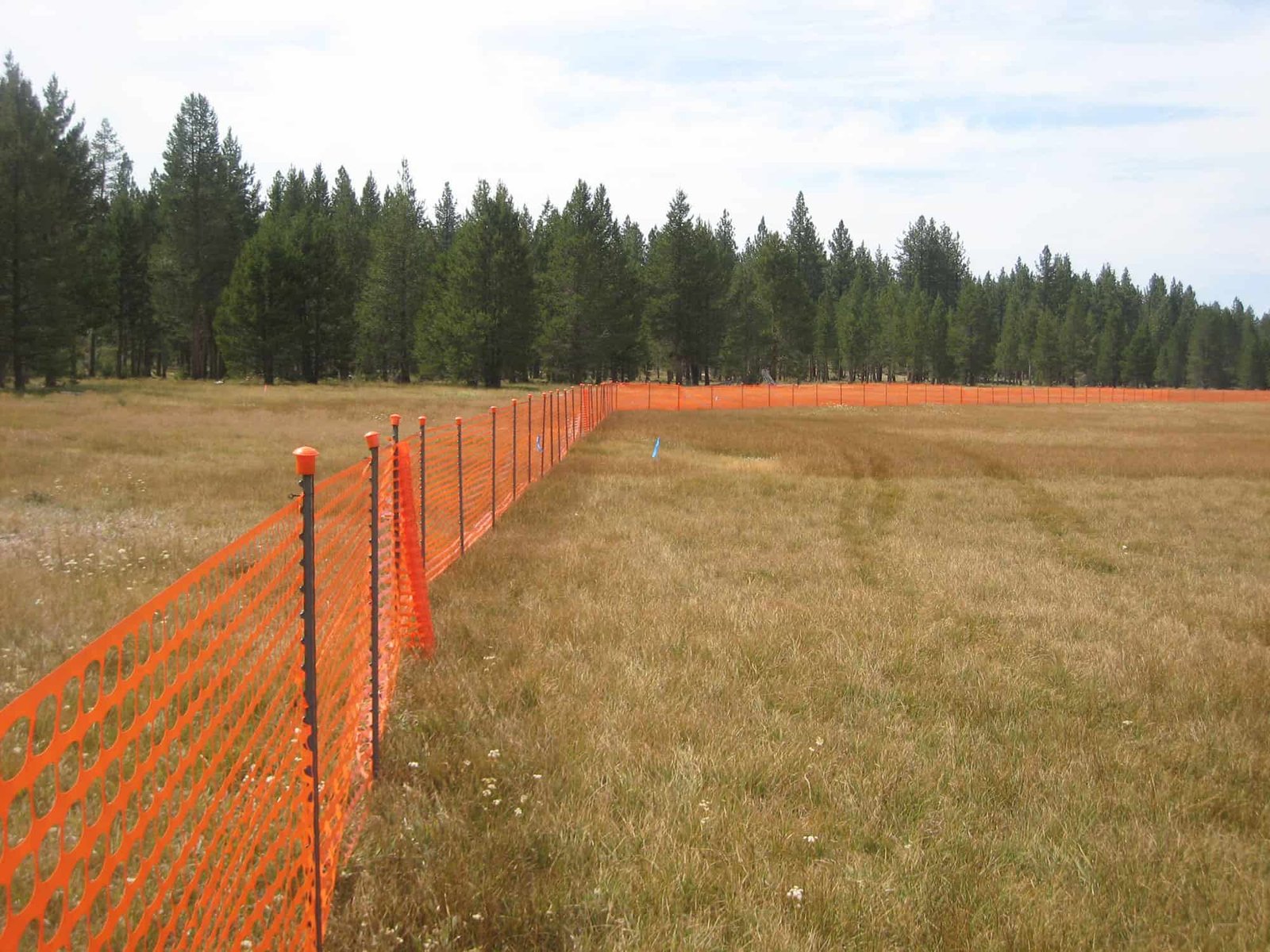
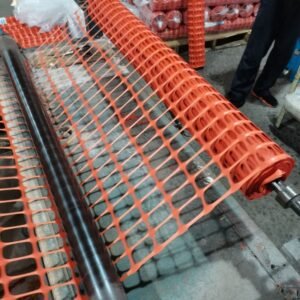
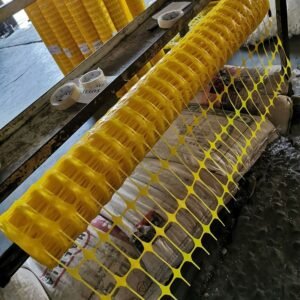
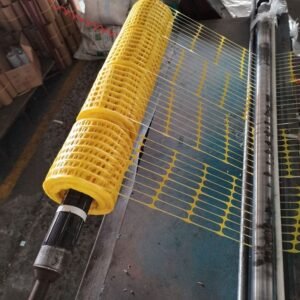
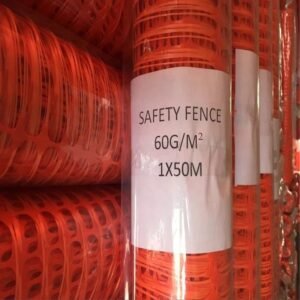
Made of high-density polyethylene material, the orange safety fence is an economical fence with multiple uses, such as fencing around hazardous areas on construction sites, fencing around re-vegetation areas on fields, as well as crowd control at events.
APAC is an Chinese leading company in manufacturing and supplying worksite safety products, and we are trusted by construction products wholesalers, construction companies and trading agencies across the world.
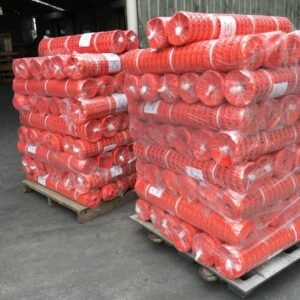
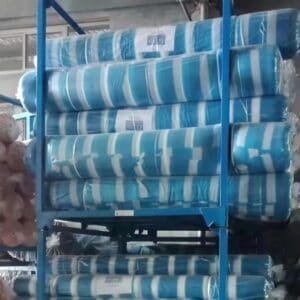
we can supply a minimum of a thousand orange safety fence rolls at times to fulfill any job of any size.
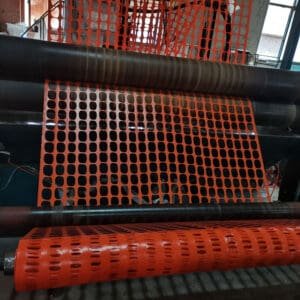



Why Choose APAC Orange Fence
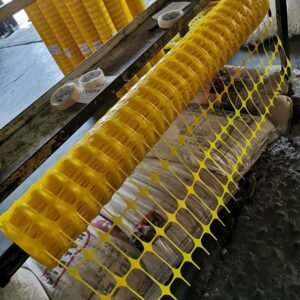
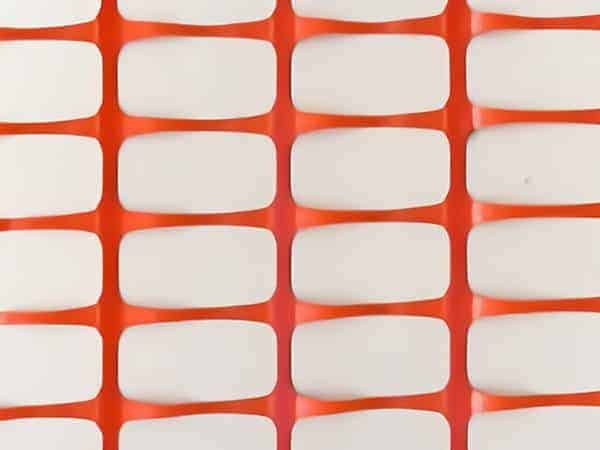
APAC Orange Safety Fence is a lightweight, high-visibility visual barrier designed to keep unwanted traffic out of unsafe areas—fast. It’s widely used for construction hazard perimeters, re-vegetation protection zones, and event crowd control. The small-grid, see-through mesh supports clear line-of-sight while delivering strong tensile performance, and the UV-stabilized, weather-resistant material helps the orange color stay bright outdoors. Available in convenient roll lengths for easy storage and deployment.
High-Visibility Barrier That Works Across Multiple Sites
Use one fence solution across different scenarios without slowing the job down—mark boundaries clearly, guide foot traffic, and control access with minimal handling.
Construction site hazard boundaries and exclusion zones
Re-vegetation / field protection areas
Event crowd control and temporary routing
Quick perimeter marking for changing work phases
Durable, Weather-Resistant Mesh That Stays Bright
Built with weather-resistant, UV-stabilized material to withstand outdoor exposure and help maintain high visibility in varied conditions. The diamond mesh design helps resist sagging while staying lightweight.
UV-stabilized to reduce fading under sunlight
Weather-resistant for wet conditions and temperature swings
Will not rust, rot, or corrode
Smooth edge diamond mesh helps resist sagging

Fast to Install, Easy to Move, Simple to Store
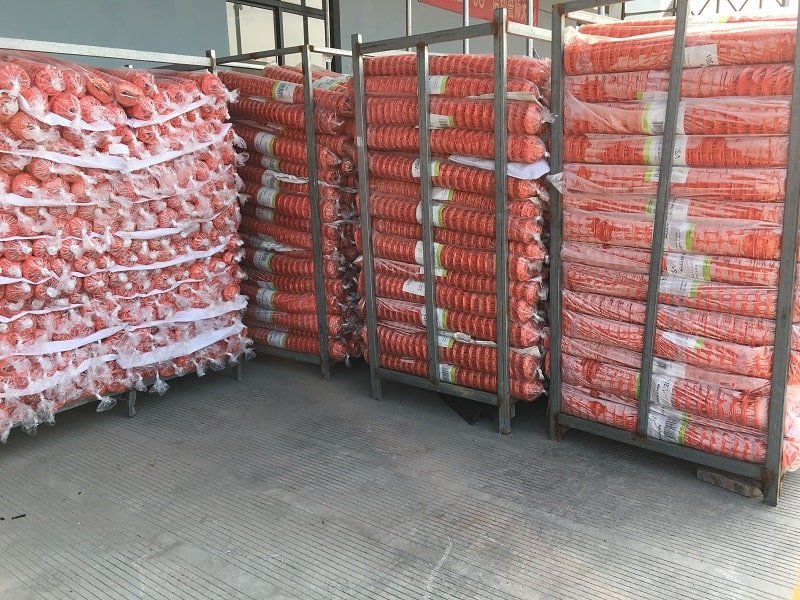
Designed for quick setup and frequent relocation—ideal when site layouts change. Rolls can be stored easily when not in use.
Installs, relocates, and removes quickly
Lightweight and easy to carry
Reusable as needed
Easy to install using T-posts, wooden posts, or existing fences
Roll options: 50 m or 100 m
Trusted by contractors worldwide
Orange Safety Fence | The Ultimate FAQ Guide
1. Which color safety fence should I use for my site?
Use the color scheme your site HSE plan already follows. If you don’t have one, pick a simple rule: one color for warning zones, one for approved routes, and one for restricted areas—consistency reduces confusion.
2. Is safety fence a replacement for guardrails?
No—safety fence is mainly for visual boundary and access control. For fall protection, you should use compliant guardrails/edge protection systems where required by regulations and your method statement.
3. How do I choose between stake-in vs tie-on installation?
If you need speed and frequent relocation, stake-in is usually simplest. If you already have a temporary fence/rail and just need higher visibility, tie-on is faster and avoids rebuilding the boundary.
4. What should I send for an accurate takeoff (BOM)?
Send a simple site plan (PDF is fine) with boundary lengths, entrances/exits, and the area type (excavation/walkway/storage). You’ll get a clearer RFQ scope and fewer last-minute changes.
5. How do I prevent boundaries from being removed and not restored?
Use a color rule + signage points + a simple handover checklist: “removed for access → must be restored before shift end.” Clear ownership reduces the “temporarily removed” loophole.
6. Can I use safety fence on uneven ground?
Yes, but choose a fixing method that matches the ground condition (soft soil vs gravel vs compacted base). Uneven ground usually benefits from more fixing points and shorter segments to keep the line visible.
7. How do I attach safety fence to existing temporary fencing?
Typically by ties/clips at regular intervals, focusing on corners, starts/ends, and high-wind areas. The goal is a consistent visual line—not loose mesh that sags and gets ignored.
8. What’s the best way to reduce on-site waste and rework?
Order by “zone + length” rather than a single bulk quantity. When the boundary changes with job sequencing, you’ll relocate cleanly instead of cutting and binning leftover rolls.


 EN
EN  SV
SV  IT
IT  AR
AR  DE
DE  FR
FR  ES
ES  FI
FI  ET
ET  RU
RU