

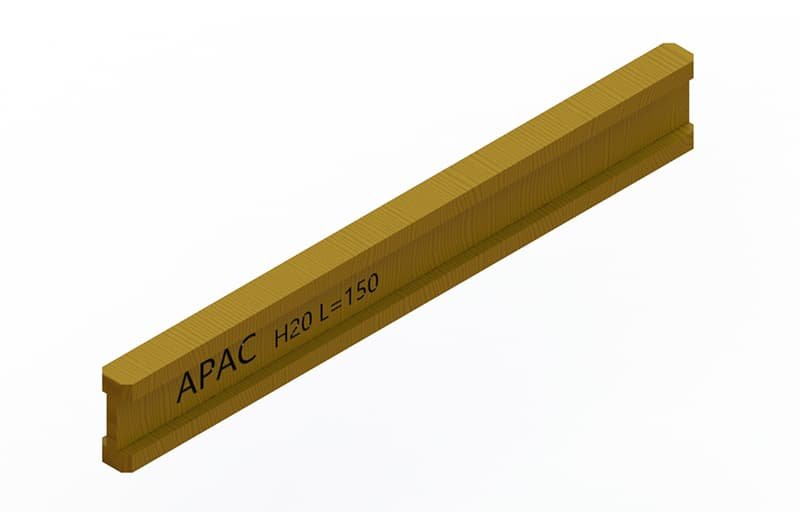
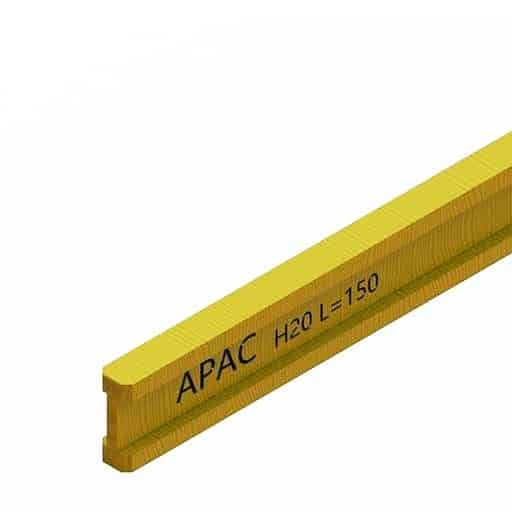


APAC H20 beams are certified according to the European standard EN 13377, ensuring you can use the product without concern.
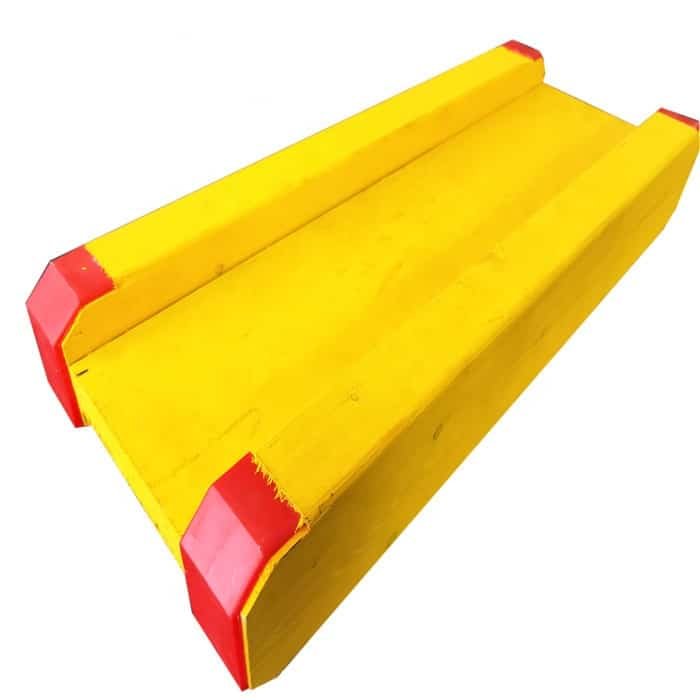
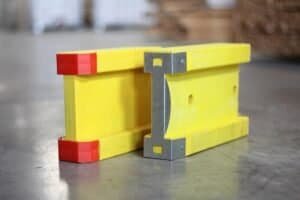
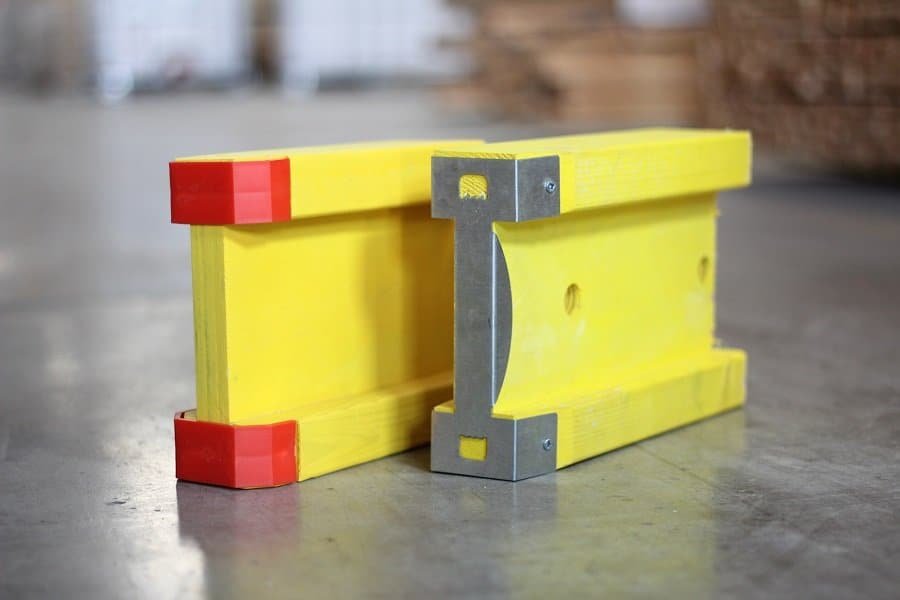
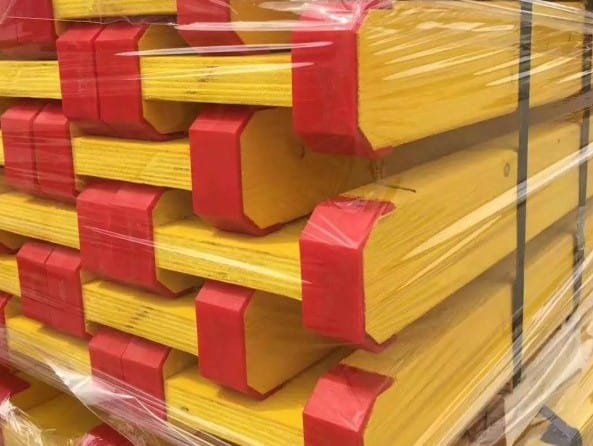
The H20 wooden beam end can also be fitted with plastic or steel caps to protect them against impact and moisture. The caps can protect the ends from hits.

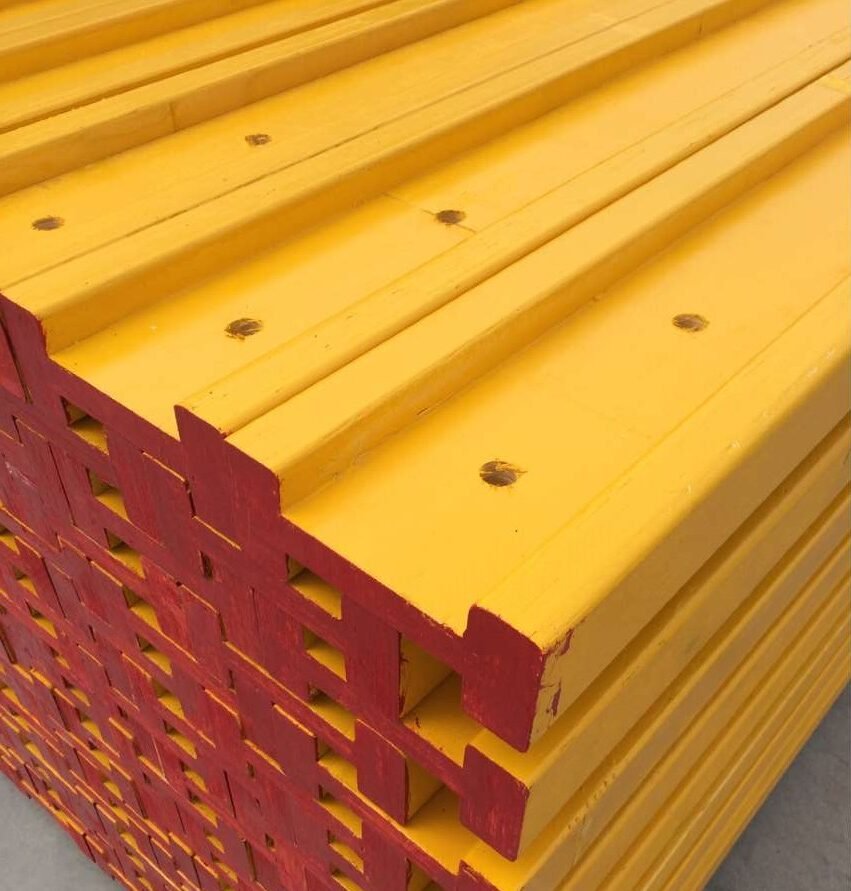
Type of wood: New Zealand Radiate Pine, etc
Weight: 5.0 kg/m
Wood humidity: 12%±2%
Gluing: melamine resin-based glue, type EN 30, approved for fixing wooden structural components
External: made of selected solid fir and coupled with 80 x 40 mm section – milled and perfectly calibrated for an optimal assembly with core
H20 Beam Surface: treatment with water repellent yellow paint
H20 Beam Head: sprayed with waterproof paint, or fixed with plastic caps or steel sleeves
Standard length: 1.3 / 1.45 / 1.95 / 2.45 / 2.65 / 2.90 / 3.30 / 3.60 / 3.90 / 4.50 / 4.90 / 5.90 m or customized length
Permissible Modulus [KNm] | 5 |
Permissible Shearing Force Q [KN] | 11 |
Section Modulus Mx[cm3] | 461 |
Geometrical Moment of Inertia Ix [cm4] | 4613 |
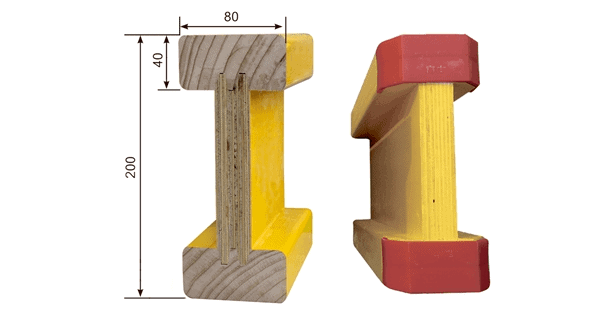
Dimension | Values (mm) | Tolerance (mm) |
Beam height | 200 mm | ± 2 mm |
External height | 40 mm | ± 0,6 mm |
External width | 80 mm | + 0,8 mm/-1,2 mm |
Core thickness | 27 mm | ± 0.5 mm |
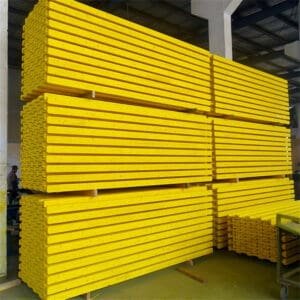
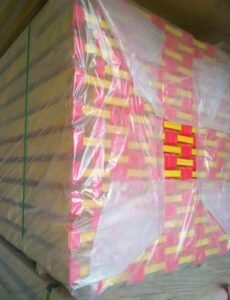
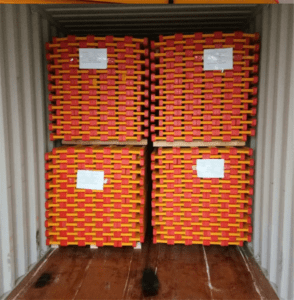
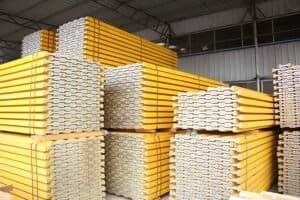
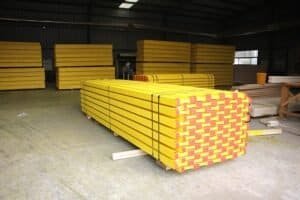
Standard packaging: 50/100 pcs per package
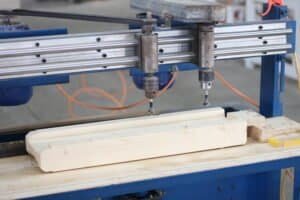
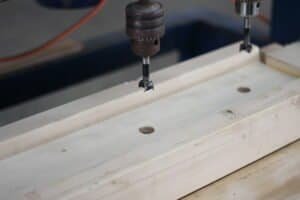
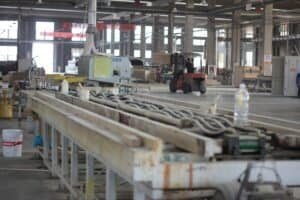
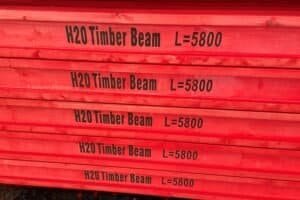

APAC wholesales highly quality H20 beams. Available in various sizes, the outer parts are made of selected quality solid fir consisting of upper and lower wins and with a three-layer core. The union is designed as a notched and glued joint.
Upon request, they may come in plastic protection to reduce the risk of scratching the outer parts of the H20 beam.
We produce H20 beams just-in-time according to your needs and respect the deadlines of delivery.


The UV radiation damages wood fibers. With long-term exposure to ultraviolet rays, any kind of wood loses its durability. It becomes vulnerable to cracking and sloughing off.
Since the H20 beams are wooden members, they are also prone to damage with long-term UV exposure. So, these beams are coated with a UV radiation protection layer on the surface. This layer protects the H20 beam from damages due to UV exposure.
Yes, the H20 beams offer a cheap alternative to the traditional formwork systems. The wooden formworks are durable and reusable. So, you can reuse them many times for a long period of time.
You can easily and quickly assemble and dismantle the H20 formwork systems. This will increase your worker’s efficiency in working. Moreover, you can store the H20 beams with easy procedures.
All these features give you the advantage of a good ratio between price and use. So, the H20 beam is a cheap alternative for you.
The load capacity of the H20 beams may vary from the product of one manufacturer to another. But all the H20 beams must conform to some standards. All the manufacturers ensure to always exceed these load characteristics.
The average H20 beams exceed bending resistance capacity compliant to the certificate – DIN1052-1:1988-04. Adhering to this standard, the average H20 beam has a shear strength of ZUL Q = 11.0 kN with an average bending moment of ZUL M = 5.0 kNm.
The average H20 beams exceed the load capacity characteristic limit compliant to the certificate – DIN1052:2008-12 / Eurocode 5. Adhering to this standard, the average H20 beam has a shear strength of Vk = 23.9 kN; an average bending moment of Mk = 10.9 kNm with an average load capacity of Rb,k = 47.8 kN.
APAC always believes that the values of the section modulus and the geometrical moment of inertia apply to new or used concrete formwork H20 beam. And you have to add analogously increased factor of safety needs for severely worm beams.
You have to use a timber beam clamp to connect your H20 beams with posts and barriers. First, connect the beam clamp on the flange section of the H20 beam and secure the connection. For adjustment, you can fit these beam clamps with 40mm and 60mm H20 beams.
If you want to learn how to connect these beam clamps with the H20 beams, you can watch this video.
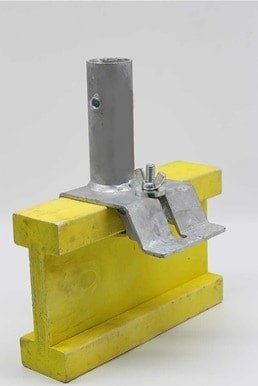 Figure 5 – H20 Beam Clamp
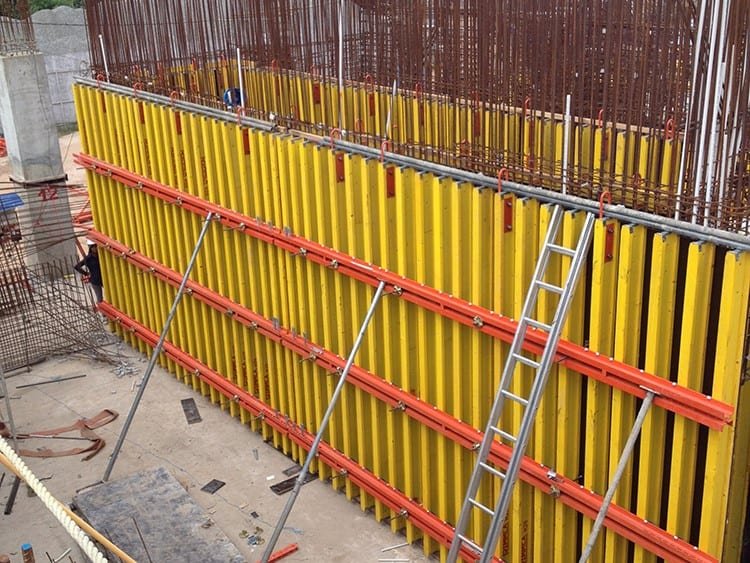
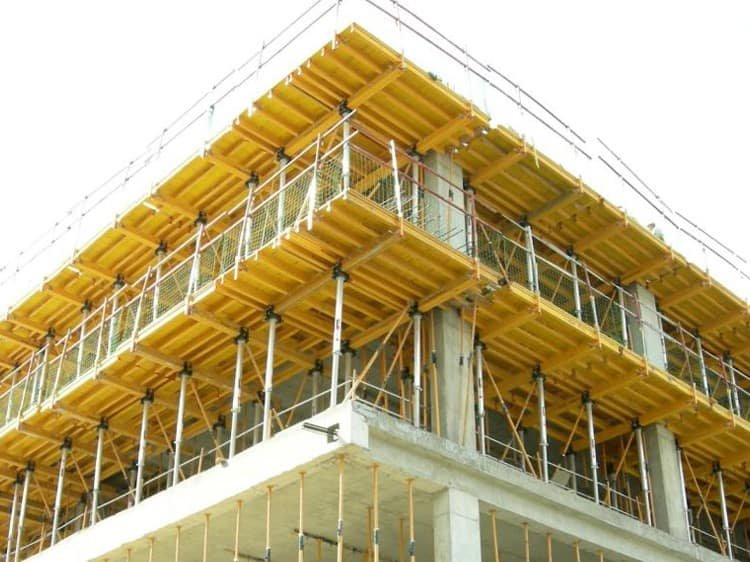
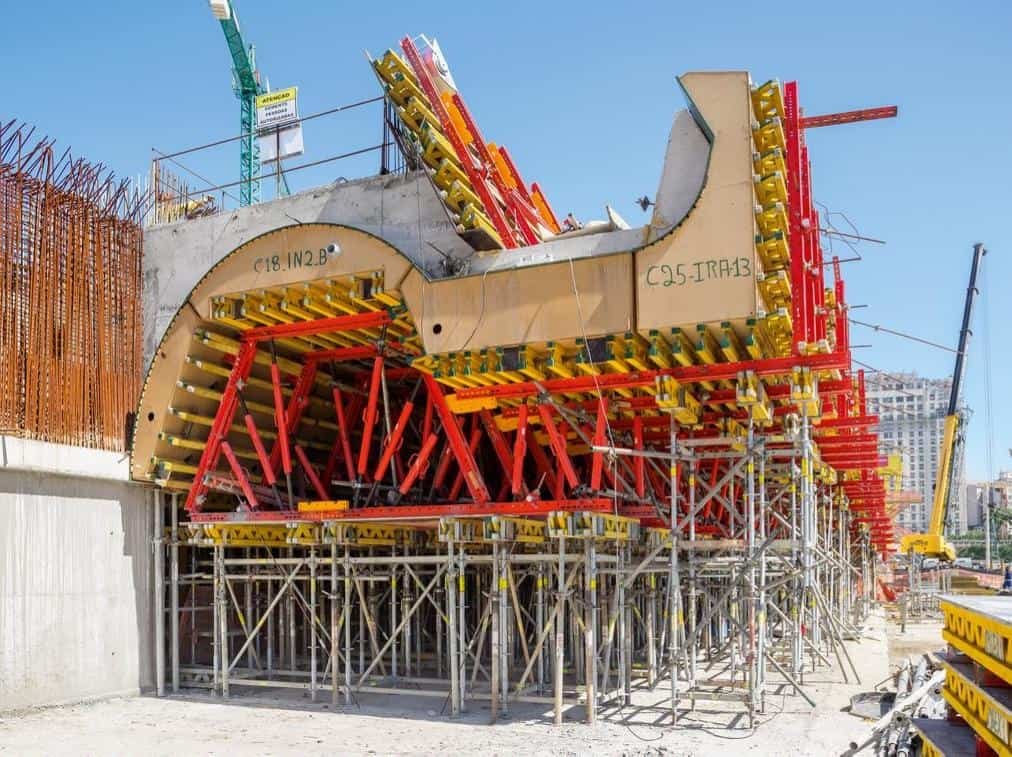
H20 beams are used in concrete formwork as primary/secondary beams to support slab, wall, and column formwork during pouring and curing.
Most H20 beams use solid timber flanges (top/bottom) and a laminated plywood web (core), bonded with structural adhesives.
Plastic caps suit general site use and protect against moisture/impact at a lower cost. Steel protectors are better for rental fleets or rough handling where end damage is frequent.
Choose based on your formwork layout, span, and handling constraints. Longer beams reduce joints but can be harder to move and store. Many projects use mixed lengths.



 EN
EN  SV
SV  IT
IT  AR
AR  DE
DE  FR
FR  ES
ES  FI
FI  ET
ET  RU
RU