lvl scaffold plank without painting
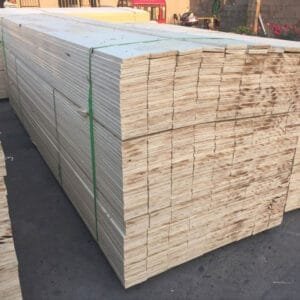
The basic model of plank, which meets the standard requirements.
- MOQ: 17 Cubic Meter

Welcome To APAC BUILDERS EQUIPMENT
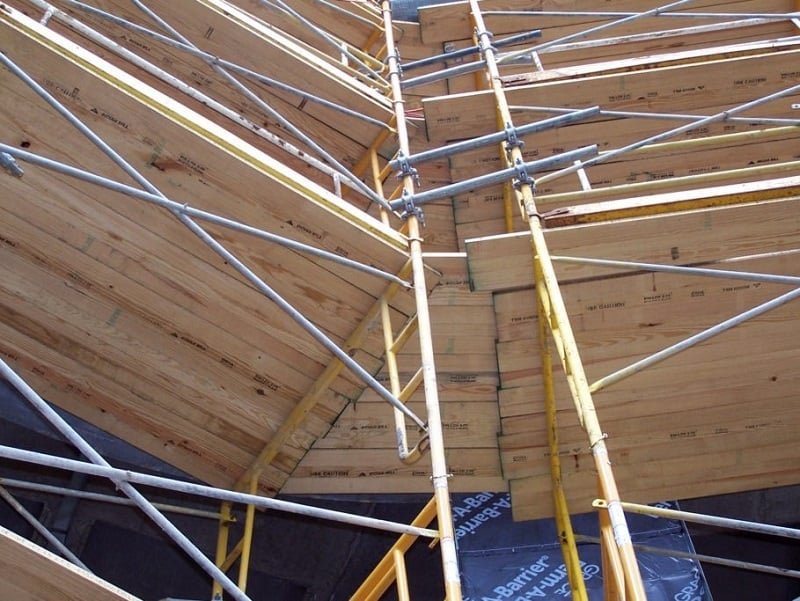


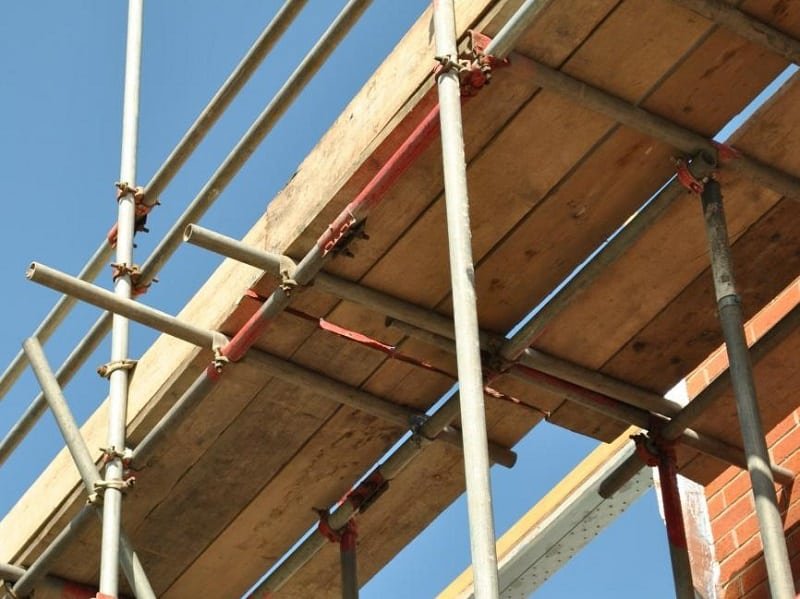
The LVL (laminated veneer lumber) scaffold plank is a high-strength and lightweight LVL scaffold plank used extensively throughout the construction industry.
The LVL Scaffold Plank is superior, lightweight, and reliable. Each plank undergoes stringent quality control and testing by AS/NZS standards, ensuring unmatched strength and safety.
We have a wide range of LVL scaffold plank products available, including various sizes and grades, to meet the diverse needs of our clients. Our dedication to quality and customer satisfaction has made us a trusted partner for businesses around the world.
The basic model of plank, which meets the standard requirements.
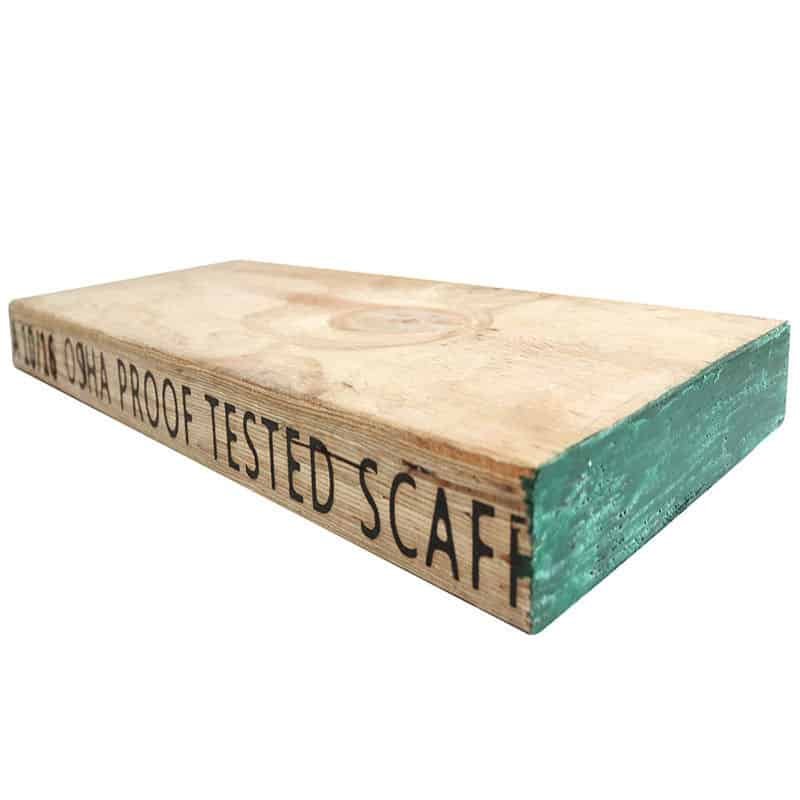
Customizable eye-catching colors, more suitable for worksite use.
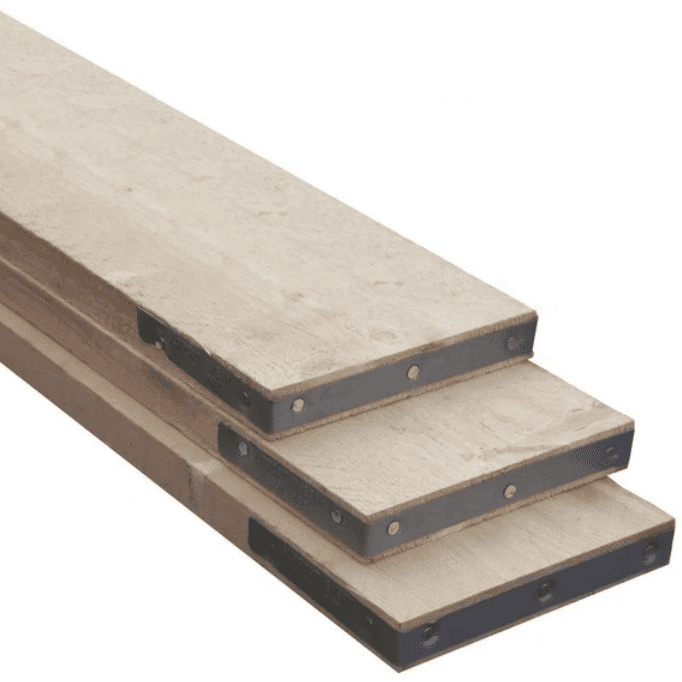
Fix the edge of LVL planks to prevent the board from splitting.
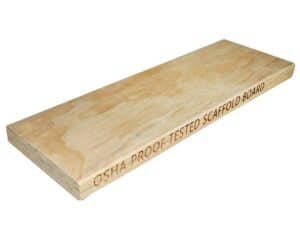
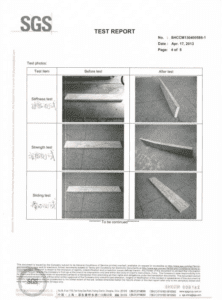
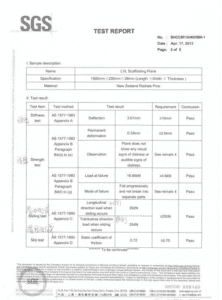
The wood scaffold boards are essential during construction, which provide a platform for workers to stand on while working at heights.
APAC is a manufacturer and supplier with many years of experience in exporting large quantities of LVL planks in China.
We have a strong reputation in the industry for producing high-quality scaffold planks that meet international OSHA Standards.
Our team is committed to delivering the best possible service to our customers and ensuring that each order is fulfilled to their satisfaction.
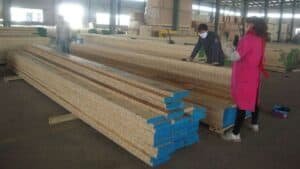

APAC LVL planks are built to give you repeatable platform performance, easier site control, and lower lifecycle cost across repeated jobs.

We are a factory-direct manufacturer. So, we take pride in providing high-quality lvl planks at competitive prices.
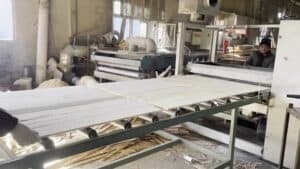
Our production process includes the use of state-of-the-art, fully automated machinery. This allows us to produce products that meet and exceed industry standards with precision and consistency. We take pride in providing our customers with reliable and long-lasting planks.
LVL scaffold planks are tested and certified to meet strict safety standards, such as OSHA and ANSI, which ensure that they can withstand the rigors of construction work.
The planks are also treated with a non-slip surface to prevent workers from slipping and falling while working at heights.
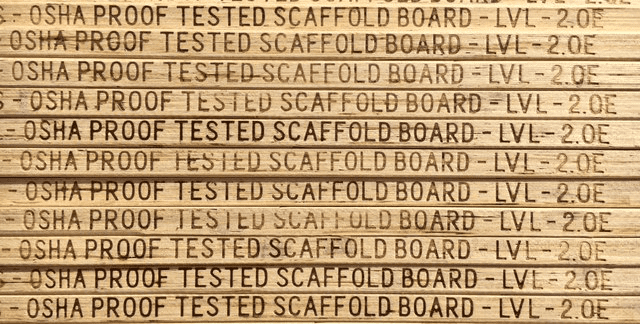
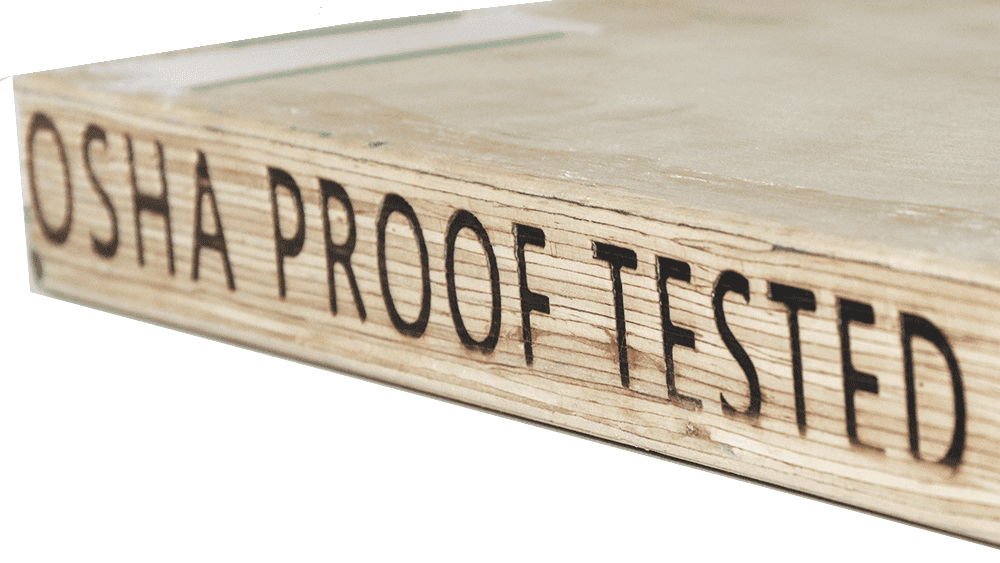
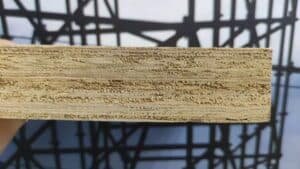
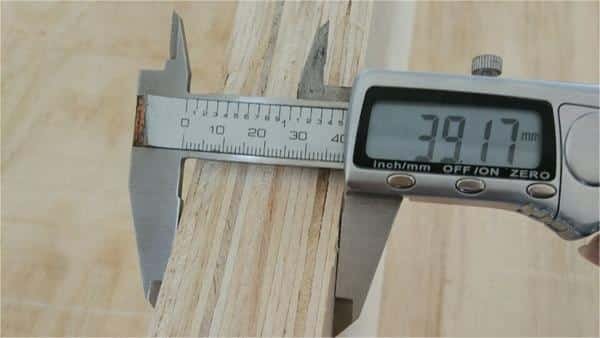
LVL scaffold planks are made from thin layers of wood veneers that are glued together with a strong adhesive. This process creates a strong and stable plank that is resistant to warping, twisting, and splitting.
Our LVL Scaffold Planks are manufactured using “A” grade WBP Phenolic Glue. The planks have been tested and boiled in hot water at 100 degrees for 72 hours without any delamination.
To ensure quality, APAC LVL Scaffold Planks are produced under strict quality control and product certification. The wood we use is legally imported from New Zealand.
Our plank has been tested for bending strength, vertical load capacity, and moisture resistance to ensure it meets or exceeds industry standards. You can trust that our LVL plank will provide reliable and long-lasting support for your construction or renovation project.
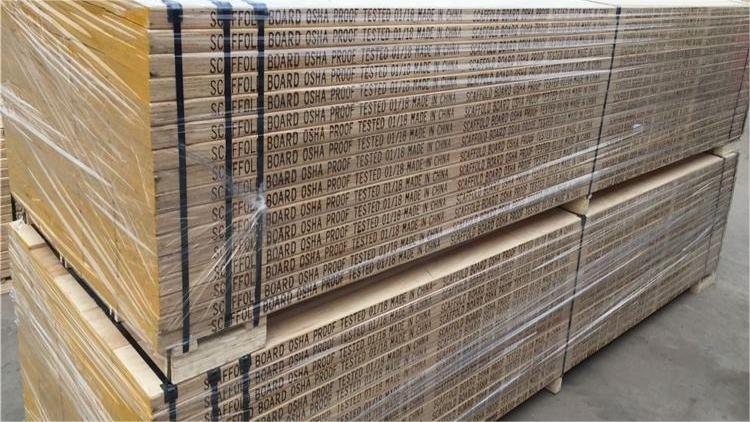
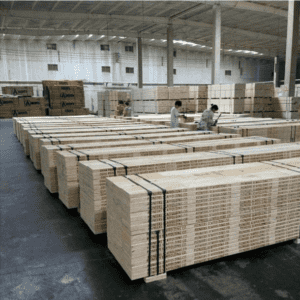
When it comes to packaging, our transportation services are reliable and efficient, and we use only the best carriers to transport your products to their destination.
In addition, we offer customized packaging options to meet your specific needs and requirements.
Business Work
Countries Delivered
Contractors Served
Projects supported
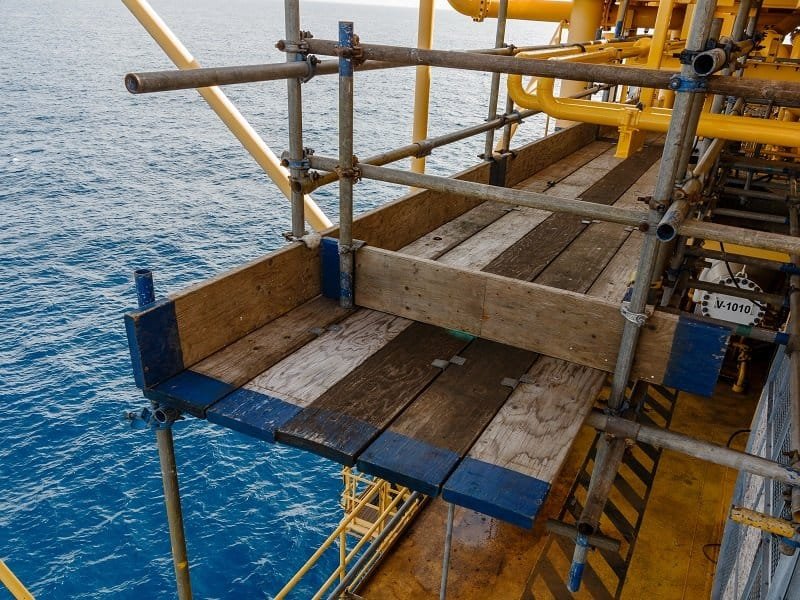
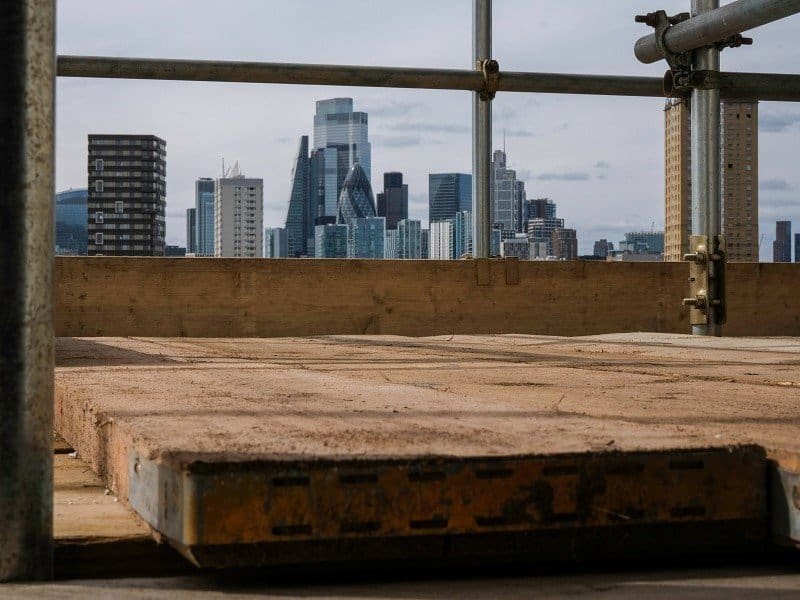
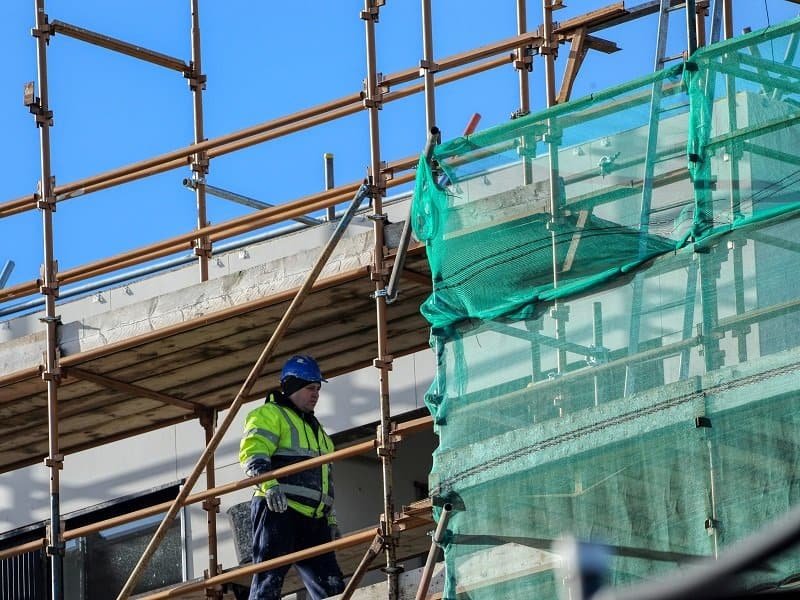
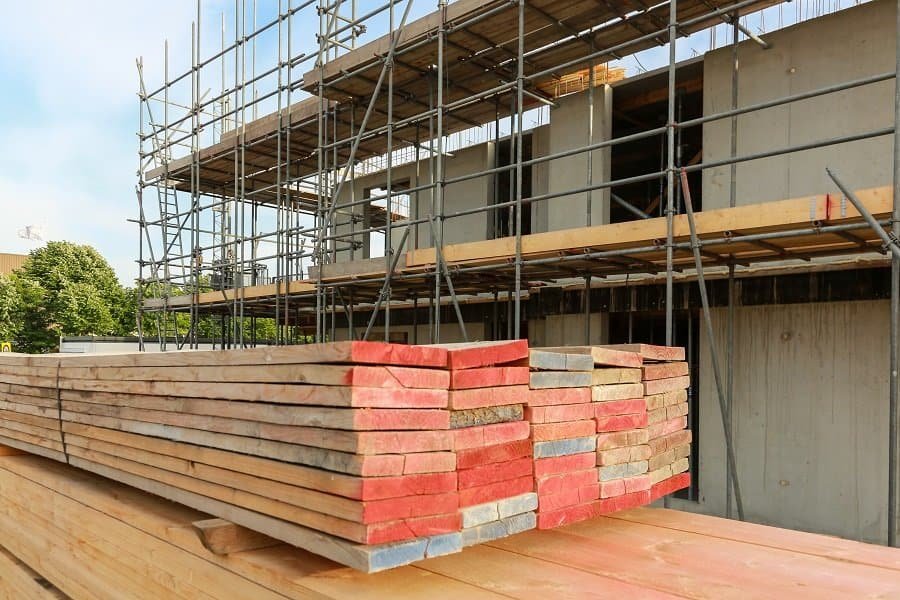
LVL scaffold planks are used as working platforms across a wide range of scaffolding setups worldwide, providing a stable deck for trades during façade work, masonry, painting, MEP installation, and general access.
In practice, an LVL scaffold plank is most often installed on ringlock, cuplock, frame scaffolds, or tube-and-clamp transoms to create walkways, loading/landing zones, and continuous platform runs along building elevations.
OSHA doesn’t mandate one specific “plank type,” but it does require the platform and its components (including planks) to be safe for the intended load and setup. Key planking-related requirements include:
A scaffold plank’s job is to create a safe, continuous working platform—supporting workers, tools, and materials at height—while maintaining required capacity and limiting deflection under load (so the deck stays stable).
Globally, “best” is less about species and more about rated performance + grading/traceability. In the U.S., OSHA emphasizes selecting planks using recognized grading rules (Appendix A guidance).
Practically:
It depends on the market/standard you’re working under:
Do not use planks that are defective, damaged, or weakened such that they create a hazard. OSHA requires damaged/weakened scaffold components be repaired/replaced (with competent person oversight), and OSHA has clarified that a defect like a split isn’t automatically disqualifying if it does not create a hazard and the plank still meets the load requirements.
Practical “pull from service” triggers usually include: severe splits, rot/soft spots, delamination (engineered planks), crushed ends, deep gouges, or damage that affects bearing areas/support contact.
You generally shouldn’t “DIY waterproof” a plank in a way that changes its rating or makes it slippery—follow the manufacturer and your local compliance practice. Practical, widely used measures are:
"I recently purchased the LVL scaffold plank for my construction site, and I am thoroughly impressed with its durability and strength. It held up well under heavy loads and provided a safe and stable platform for my workers."
James Thompson
Construction Site Manager
"We have been using the LVL scaffold plank for a few months now, and it has exceeded my expectations. It is easy to install, and the quality of the material is top-notch. I have not experienced any issues with warping or cracking."
Rachel
Project Manager